
There are evenings when my brain feels like it has been left open in the sun. You know the feeling: you get home, you put your keys down in the wrong place, you open the fridge, you stare, and nothing in there looks like an idea.
On those nights, I don’t want to cook in the way people mean when they say “cook.” I want something warm and salty and steady, something that makes my apartment feel like a place I live in rather than a place I pass through.
This is the pasta I make when I don’t want to think. It’s a bowl of spaghetti that tastes like I meant to feed myself, even if I didn’t have the energy to care. The ingredients are mostly pantry things. The result is soft and glossy and comforting in a way that feels almost rude for how little effort it asks from me.
The small reason it works is not romance. It’s chemistry. A tiny, practical trick that makes the sauce cling instead of sliding off, which is the difference between “I ate pasta” and “I ate something that actually held me together.”
My “No Thinking” Pasta (Tomato, Garlic, Anchovy Butter, Lemon)
This is a pantry pasta that tastes quietly intentional: garlicky, tomato-rich, a little briny from capers, softly spicy if you want it, finished with butter and lemon so it feels bright instead of heavy.
The anchovy melts into the sauce and doesn’t taste fishy, it tastes seasoned. If you hate anchovies, you can skip them and still have a good bowl, but the anchovy version tastes like you knew what you were doing, even when you didn’t.
Ingredients
- 12 oz (340 g) spaghetti (or linguine)
- 3 tbsp olive oil
- 4 cloves garlic, thinly sliced
- 4 to 6 anchovy fillets (from a tin), optional but recommended
- 1 tsp red pepper flakes (use less if you want it gentler)
- 2 tbsp capers, drained
- 1 tbsp tomato paste
- 1 can (14 to 15 oz / 400 g) crushed tomatoes (or passata)
- 3 tbsp unsalted butter
- 1 to 2 tsp fresh lemon juice, plus a little zest if you have it
- 1/3 cup (30 g) finely grated Parmesan or Pecorino, plus more to serve
- Salt and black pepper
- A handful of fresh basil or parsley (optional, but nice)
Tools You’ll Use
A large pot, a wide pan, a wooden spoon, and a mug or heatproof cup for scooping pasta water. If you own tongs, this is their moment.
Cooking Instructions
1) Start the water, but don’t overthink it.
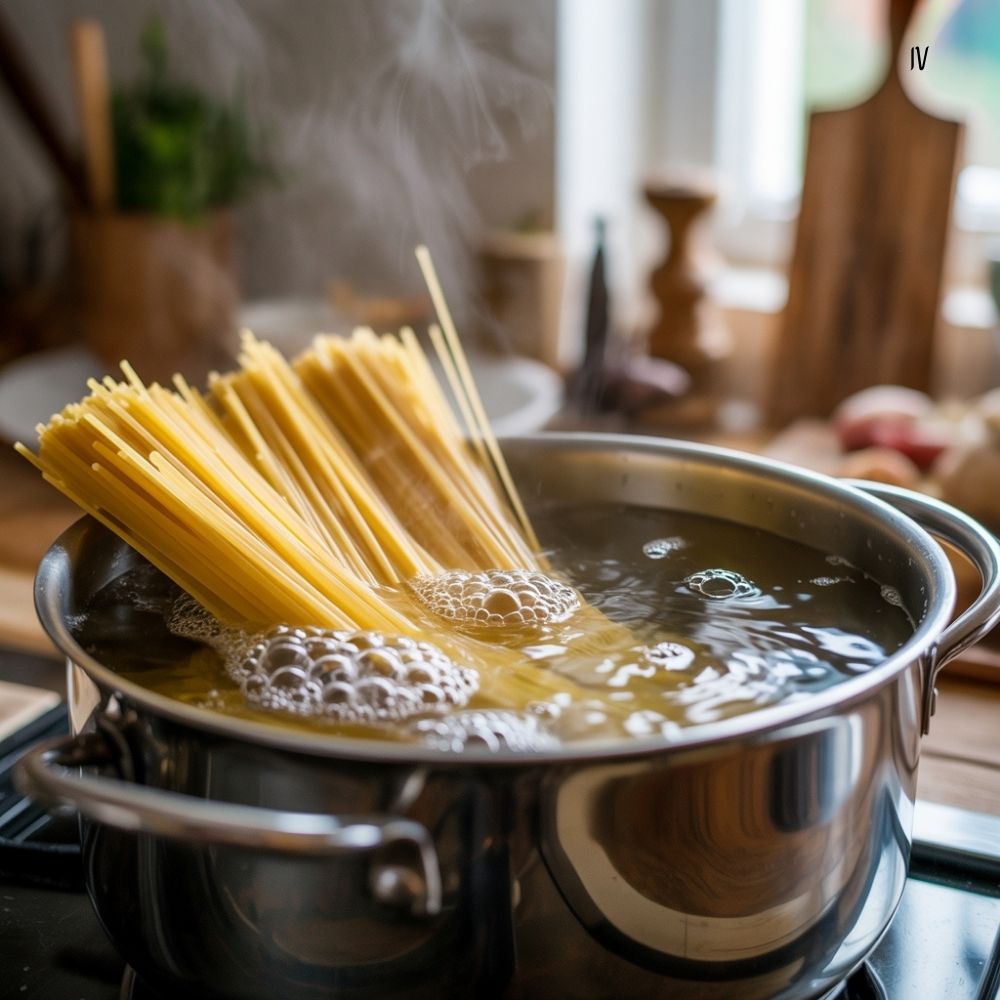
Bring a pot of water to a boil and salt it until it tastes pleasantly seawater-ish. Not aggressive, not timid. Add the spaghetti and cook it until it’s just shy of done. You want it a minute under what the package says, because it’s going to finish in the sauce.
2) Build the base in a wide pan.
While the pasta cooks, warm the olive oil over medium heat and add the sliced garlic. Let it soften and turn lightly golden, not brown. If it browns, it gets bitter and the whole mood shifts in the wrong direction.
3) Melt the anchovies into the oil.
Add the anchovy fillets and stir them into the garlic oil until they dissolve. This takes about a minute and it looks slightly messy, but that’s the point. Add the red pepper flakes and stir for a few seconds, just until you can smell them.
4) Add capers and tomato paste, then let it darken a little.
Stir in the capers and the tomato paste. Let the tomato paste cook for about a minute, until it deepens in color and smells more toasted than raw. This is one of those tiny steps that makes “pantry” taste like “planned.”
5) Pour in the tomatoes and simmer briefly.
Add the crushed tomatoes or passata, stir well, and let it simmer for about 5 to 7 minutes. You’re not making a Sunday sauce. You’re just letting the sharp edges soften so it tastes rounder.
6) Save your pasta water like it’s part of the recipe, because it is.
Before you drain the pasta, scoop out about 1 cup of pasta water and set it aside. You don’t need all of it, but you’ll want the option.
7) Finish the pasta in the pan and make the sauce cling.
Using tongs, transfer the spaghetti directly into the pan of sauce. Add a splash of pasta water, start with 1/4 cup, and toss or stir vigorously for about 30 to 60 seconds.
The sauce will look looser at first, then it will start to cling and gloss the noodles. Add more pasta water a little at a time until it looks silky instead of soupy.
8) Turn off the heat and add butter, cheese, and lemon.
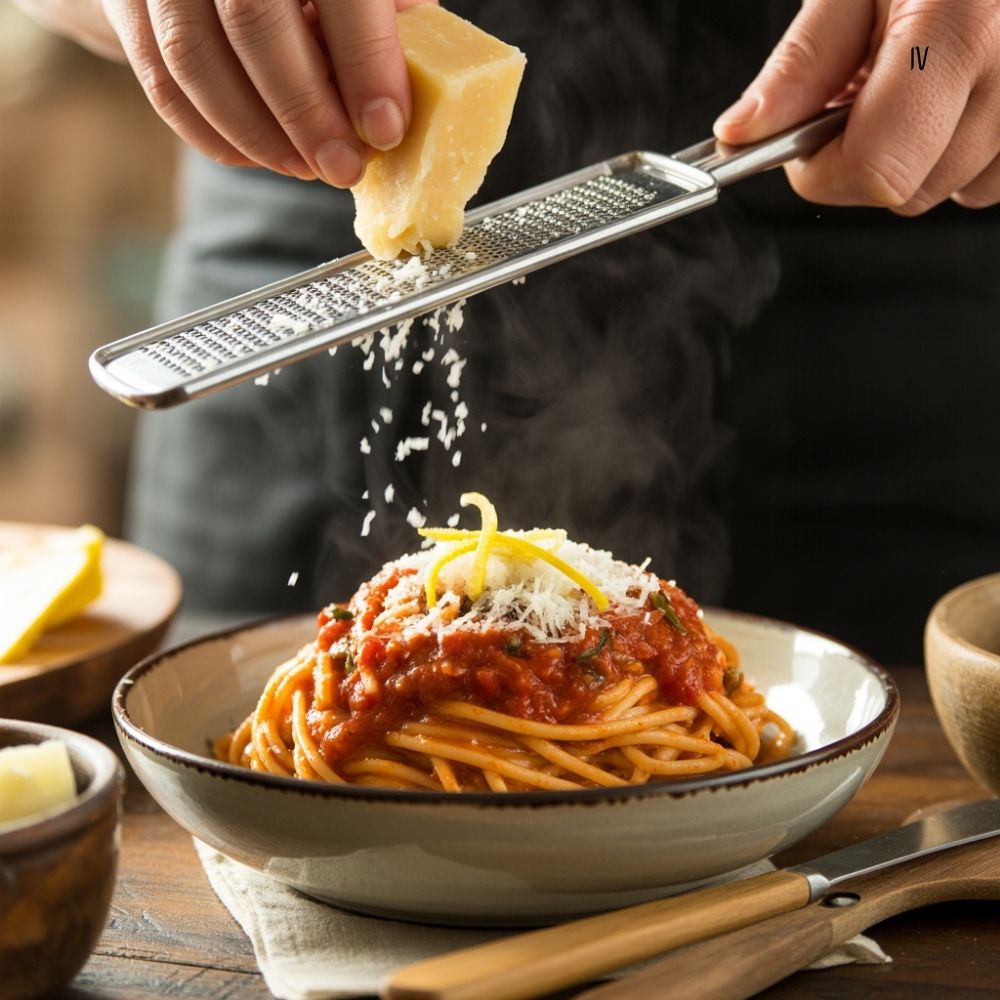
Once the pasta is coated, turn off the heat. Add the butter and stir until it melts into the sauce. Add the grated cheese and stir again. Then add lemon juice, start with 1 teaspoon, taste, and decide if you want more. If you have lemon zest, a small pinch makes it feel bright without making it sour.
9) Taste like a person, not like a robot.
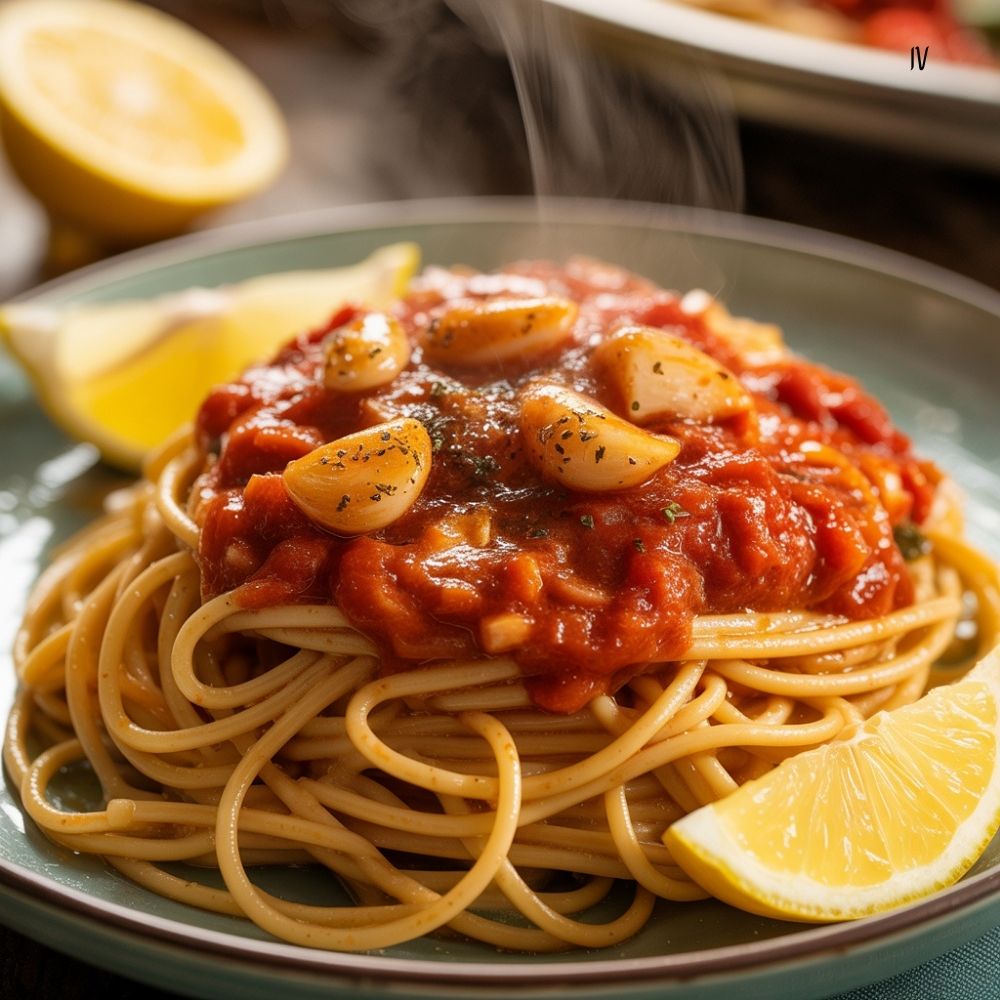
Add black pepper. Taste for salt. The anchovies, capers, and cheese bring salt, so go slowly. Finish with chopped basil or parsley if you have it, and serve immediately with extra cheese.
A few realistic notes from my actual kitchen
In my apartment, the pan is never perfectly clean while I’m cooking because I’m always moving around something, a dish rack, a towel, a cutting board that doesn’t quite fit on the counter. This recipe forgives that. It doesn’t demand space or silence.
I also don’t always have fresh herbs. If I do, I use them. If I don’t, I don’t pretend it ruins the meal. The lemon is more important than the herbs anyway. It makes the whole bowl feel awake.
And yes, the anchovies matter. Not in a dramatic way, but in a “this tastes like it came from a small trattoria that doesn’t explain itself” way. They melt. They disappear. They leave behind depth. I don’t argue with that anymore.
Variations that still keep it “no thinking”
If you want it richer, add an extra tablespoon of butter at the end and a little more cheese, and let yourself enjoy the fact that it tastes expensive.
If you want it more filling, add a handful of baby spinach to the sauce right before the pasta goes in. It will wilt instantly and make you feel like you did something responsible without changing the vibe.
If you don’t eat anchovies, add an extra pinch of salt and a tiny squeeze of lemon earlier, and let the capers do more of the heavy lifting. It won’t be the same, but it will still be good.
If you want crunch, toast a few tablespoons of breadcrumbs in olive oil with a bit of garlic until golden, and sprinkle it on top. It turns the bowl into something you can chew slowly, which sometimes is the whole point.
Final Thoughts
I used to think “real cooking” required a certain mood. The right music. The right time. A clean counter. A version of me who had energy and patience and a charming apron, which is not a version of me I see often in real life.
This pasta is what happens when I stop demanding that and start feeding myself like I’m someone I’m responsible for.
It’s quick, it’s forgiving, and it has one small smart trick that makes it taste like more than the sum of its parts. On nights when my thoughts feel too loud, that matters. Not because food fixes anything, but because it gives my body a simple message: you’re home now.