
In Florence, olive oil is everywhere in a way that can make you forget it’s a choice. It’s on tables in restaurants like it’s inevitable. It’s in small bottles at shops with labels that feel like poetry. People talk about it with a seriousness that can turn a basic ingredient into a personality.
Cooking has a way of turning into performance if you’re not paying attention, especially when you live in a place where food is treated like culture and culture is treated like identity.
So I have an olive oil rule that keeps my cooking grounded, and it’s not about buying the most expensive bottle or learning tasting notes. It’s about using olive oil in a way that reduces friction and preserves the pleasure of cooking without turning it into theater.
The rule is simple, and it is the kind of rule I trust because it has survived my tired nights, my messy weeks, and my tendency to complicate things when I’m trying to feel in control.
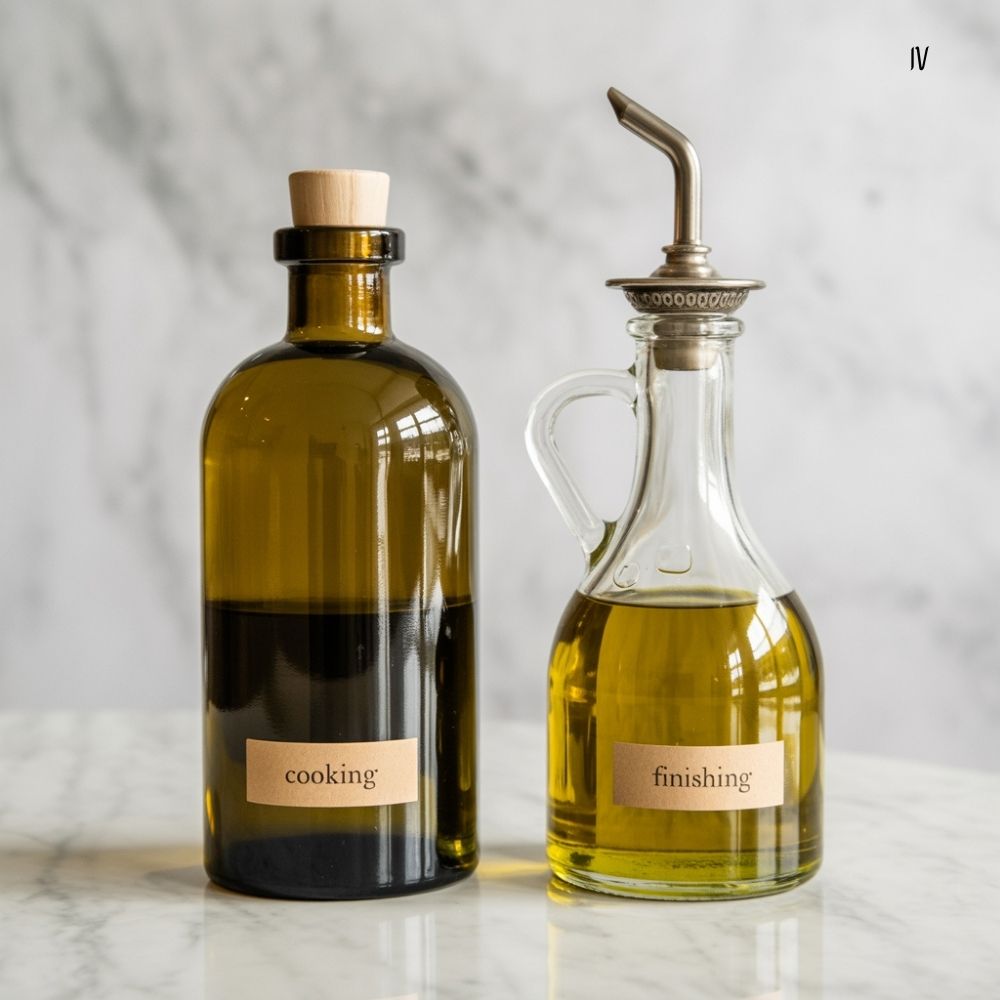
The rule: one oil for cooking, one oil for finishing, and I never pretend they’re the same
That’s it. That’s my olive oil rule. I keep one bottle for cooking and one bottle for finishing, and I treat them like different tools, not like different statuses.
Cooking oil is for heat, for sautéing, roasting, frying, and the practical backbone of weeknight meals. Finishing oil is for flavor, for drizzling over beans, salads, soup, vegetables, toast, and anything that needs that final glossy richness that makes food feel complete.
This rule removes the part where I stand there debating what bottle deserves the moment. It also keeps me from wasting the good oil in a way that feels like I’m proving I’m Italian-adjacent enough to deserve it.
Why this rule stops cooking from becoming a performance
Performance is usually about two things: optics and anxiety. If I’m trying to impress, I will overuse the expensive oil because it signals sophistication. If I’m anxious, I will overthink which oil to use and when, and then cooking becomes mentally loud.
Having two clearly defined roles for olive oil makes both of those tendencies less likely. The cooking oil is not precious. I don’t hesitate with it. I use enough. I let it do its job. The finishing oil is the one I respect, and I use it intentionally, not as decoration, but as flavor.
This makes dinner feel calmer. It also makes my food taste better, because finishing oil is one of the simplest ways to make a basic meal feel finished, and “finished” is the feeling I want.
The hack: I pour finishing oil into a tiny bottle with a controlled spout
Here is the practical hack that makes the rule easy to live with and prevents the most common olive oil mistake, which is pouring too much because the bottle is heavy and your hand moves like you’re trying to end the meal with a flourish.
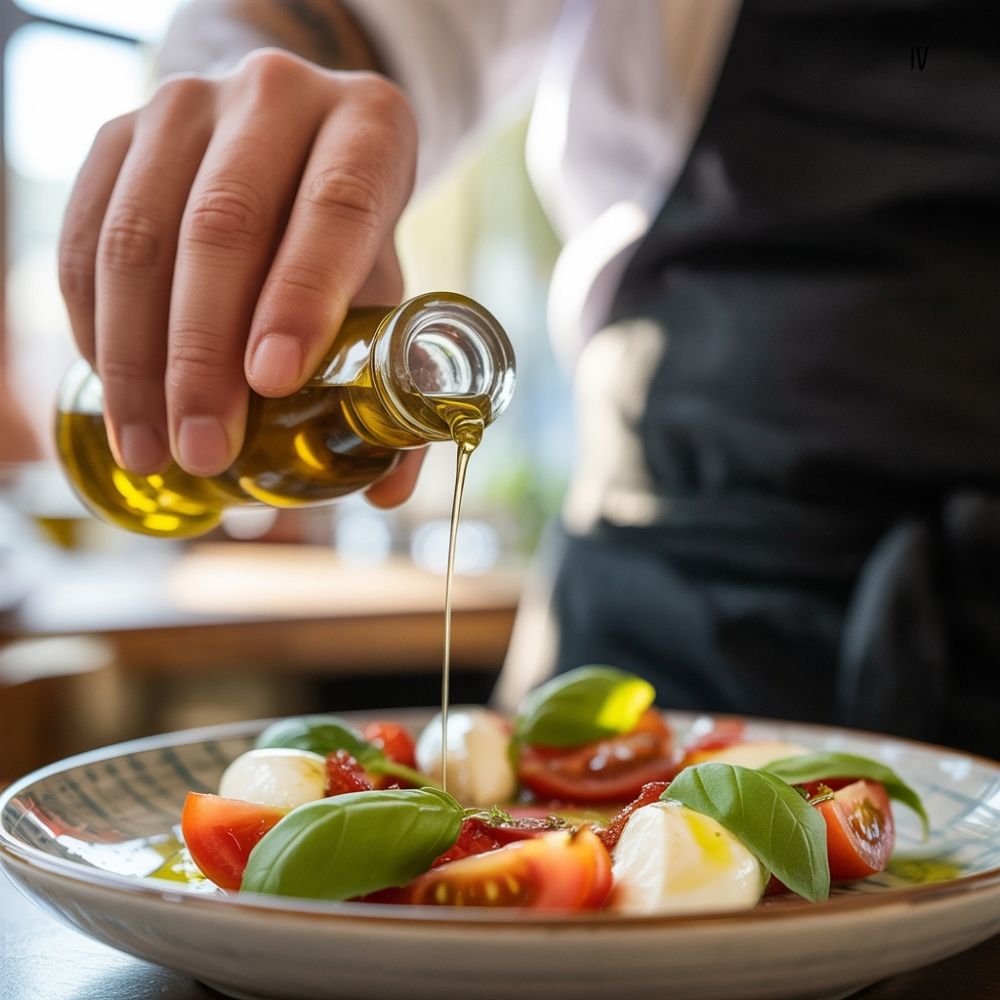
I decant my finishing oil into a small glass bottle with a narrow spout, the kind that gives you a controlled stream. This does two things. It makes me use less without feeling deprived, and it makes the act of finishing feel deliberate rather than dramatic.
It also keeps the main bottle stored properly and out of light more often, which matters for freshness.
This hack is not aesthetic for me. It’s functional. It keeps me from turning a drizzle into a flood, and it keeps finishing oil special without making it precious.
How I use olive oil in real life, without the romance
People talk about olive oil like it’s always poetic, but most of the time I’m using it in a normal way, which is the only way it becomes a habit.
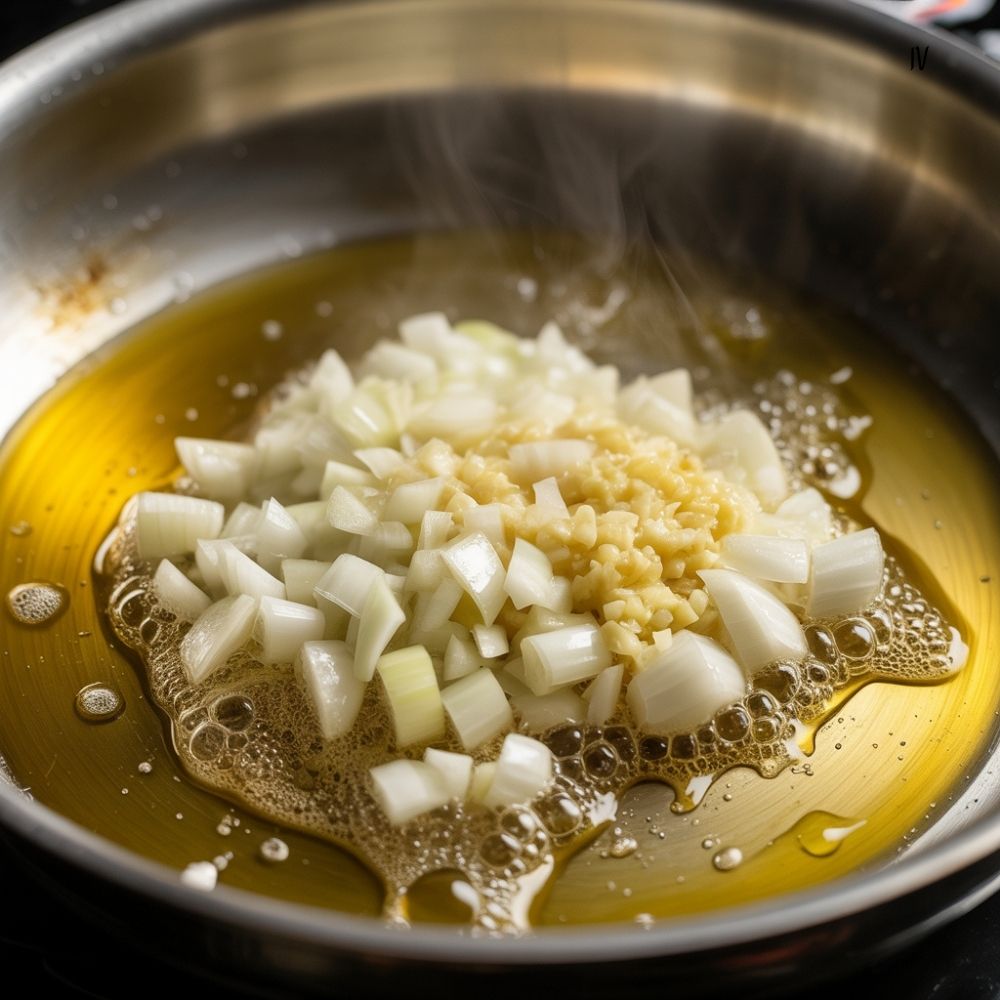
I use cooking olive oil to start meals. It goes in the pan first, and it carries garlic, onion, rosemary, chili, whatever I’m using. It creates the base. It makes vegetables taste like something.
Then, if the meal needs it, I use finishing oil at the end, when the heat is off and the food is already cooked. That’s when you taste the oil, not just feel it.
I don’t finish everything with oil. That’s another way cooking becomes performance. If a dish doesn’t need it, I skip it. The point is not to make everything shiny. The point is to use olive oil like a tool, not like a signature.
The small details that keep olive oil from becoming another “thing to get right”
I store both oils away from the stove, because heat and light degrade them, and because I don’t like having too many bottles visible. My kitchen is small, and visible clutter becomes mental clutter.
I also date my finishing oil bottle with a small piece of tape so I know roughly how long it’s been open. I’m not obsessive about it, but I like being able to tell myself, this is still fresh enough to taste good, which is the whole reason to have a finishing oil in the first place.
If you want one practical guideline, it’s that finishing oil should taste pleasant enough that you would dip bread in it without needing anything else. Cooking oil just needs to do its job.
Final Thoughts
My olive oil rule is not a luxury habit. It’s a boundary between real cooking and performative cooking.
One oil for heat, one oil for flavor, and I don’t pretend they’re the same because pretending is how cooking becomes stressful. Then I use the small-bottle spout hack so finishing oil stays controlled and deliberate, not dramatic.
Olive oil is a beautiful ingredient, but I don’t want it to become a symbol of taste or identity. I want it to remain what it is at its best: a quiet tool that makes simple food taste complete, especially on the nights when I’m not interested in proving anything at all.