
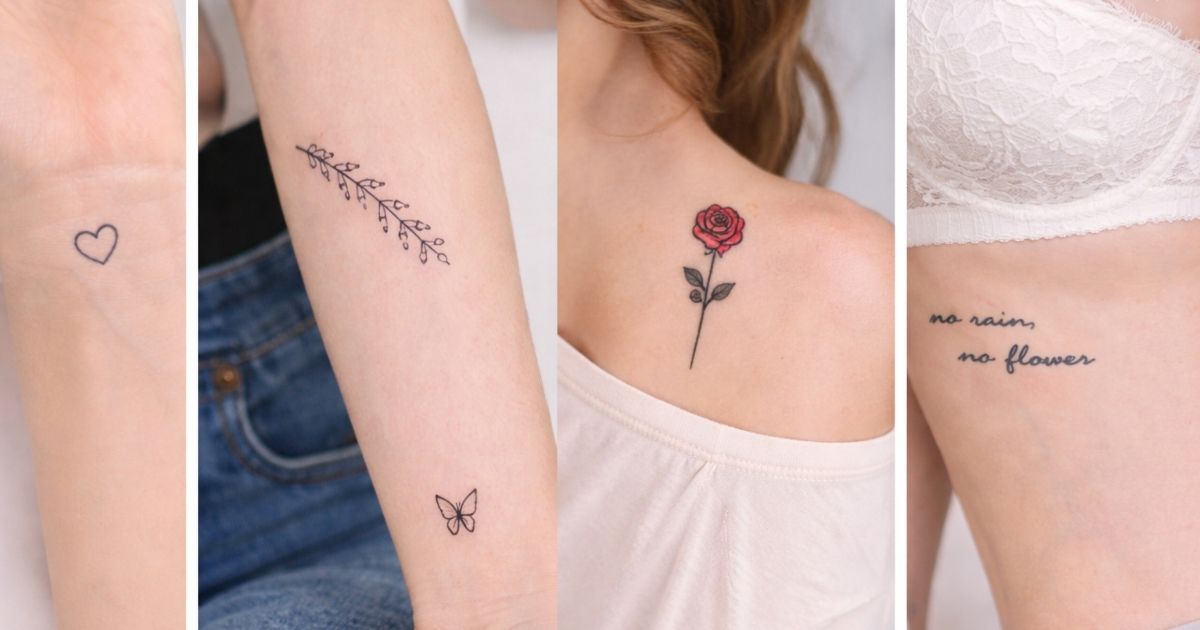
Choosing a tattoo design is exciting, but deciding where to place it on your body can be just as important. Tattoo placement affects how the design looks, how painful the process might be, and how the tattoo ages over time. For many women, placement also affects how visible the tattoo is in everyday life.
A beautiful tattoo can look completely different depending on where it sits on the body. Some placements highlight the natural shape of the body, while others allow tattoos to stay more subtle or hidden. Thinking carefully about placement helps ensure the tattoo complements both your design and your lifestyle.
This guide explains how different tattoo placements work, which areas are most popular for women, how pain levels vary across the body, and what factors you should consider before choosing the perfect spot.
Why Tattoo Placement Matters
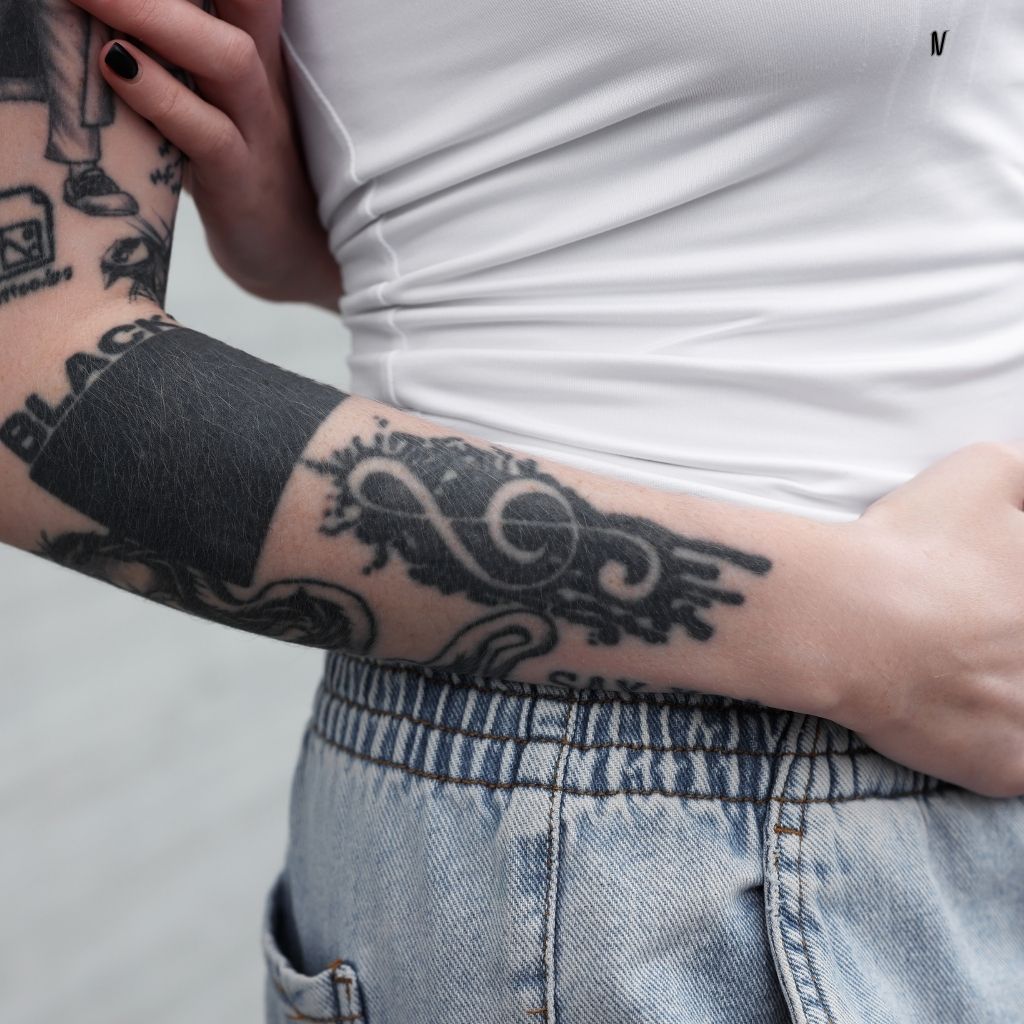
Tattoo placement is more than a simple aesthetic decision. The same design can feel elegant in one area of the body and awkward in another. Placement affects the shape of the tattoo, how much detail the artist can include, and how the design moves with your body.
For example, long vertical designs often work well on the forearm or spine, while circular designs may look better on the shoulder or upper arm. Some placements also stretch or fade faster due to movement and skin texture.
Lifestyle considerations are also important. Some people prefer tattoos that can be easily covered for work or formal occasions, while others enjoy displaying their tattoos openly. Choosing the right placement allows you to feel comfortable in different situations while still expressing your personal style.
Factors to Consider Before Choosing Tattoo Placement
Before deciding on a location for your tattoo, it helps to think about a few practical factors.
Visibility
Some tattoos are meant to be visible, while others are more personal and hidden. Visible placements include areas like the forearm, wrist, or ankle. Hidden placements include areas such as the ribcage, back, or upper thigh.
Consider how comfortable you are with others seeing your tattoo in daily life.
Size and design shape
The size and shape of your tattoo often determine where it will look best. Long designs may suit the forearm or spine, while small, minimalist tattoos may work well on the wrist or ankle.
Skin movement
Certain areas of the body move or stretch more frequently. Tattoos on areas like fingers or feet may fade faster due to constant friction and skin movement.
Pain tolerance
Pain levels vary significantly depending on placement. Understanding which areas tend to hurt more can help you choose a location that suits your comfort level.
Most Popular Tattoo Placements for Women
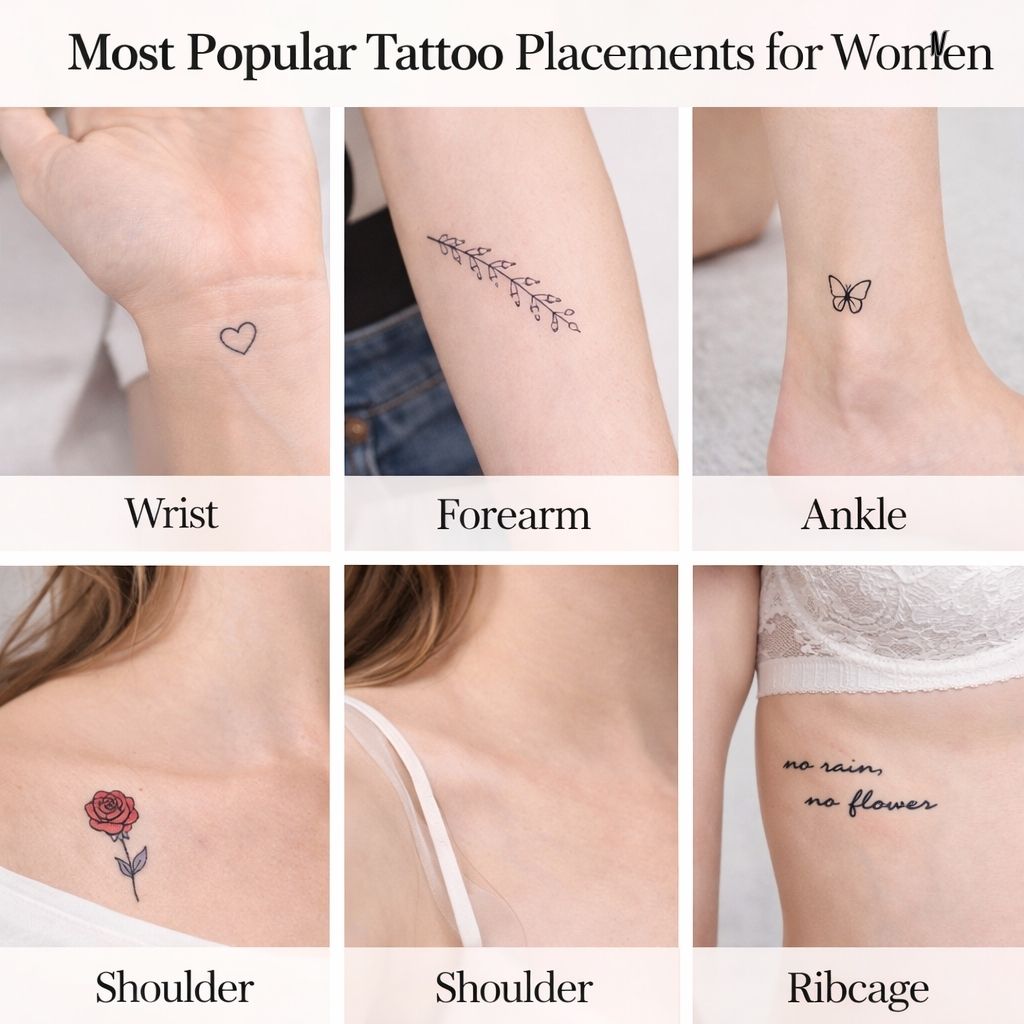
Some areas of the body naturally complement tattoo designs and remain popular among women who want both elegance and flexibility.
Forearm
The forearm is one of the most versatile tattoo placements. It offers enough space for detailed designs while still allowing easy visibility. Forearm tattoos can be easily shown or covered depending on clothing.
This placement works well for script tattoos, floral designs, and minimalist line art.
Shoulder
Shoulder tattoos often look elegant because they follow the natural curve of the body. This area works well for medium-sized designs such as flowers, mandalas, or decorative patterns.
Shoulder tattoos are also relatively easy to conceal if needed.
Collarbone
Collarbone tattoos are popular because they appear delicate and feminine. Designs placed along the collarbone often follow the bone’s natural shape, creating a graceful effect.
Small script tattoos, tiny symbols, and fine line artwork often work well in this area.
Wrist
Wrist tattoos are subtle but meaningful. Because the wrist is visible during everyday activities, many people choose designs with personal significance, such as initials, symbols, or small quotes.
However, the wrist can be a slightly sensitive area due to thin skin.
Ankle
Ankle tattoos have remained popular for decades. They work well for small designs such as stars, flowers, or minimalist shapes.
This placement can be easily shown during warm weather or hidden when wearing long pants or boots.
Hidden Tattoo Placements for Women
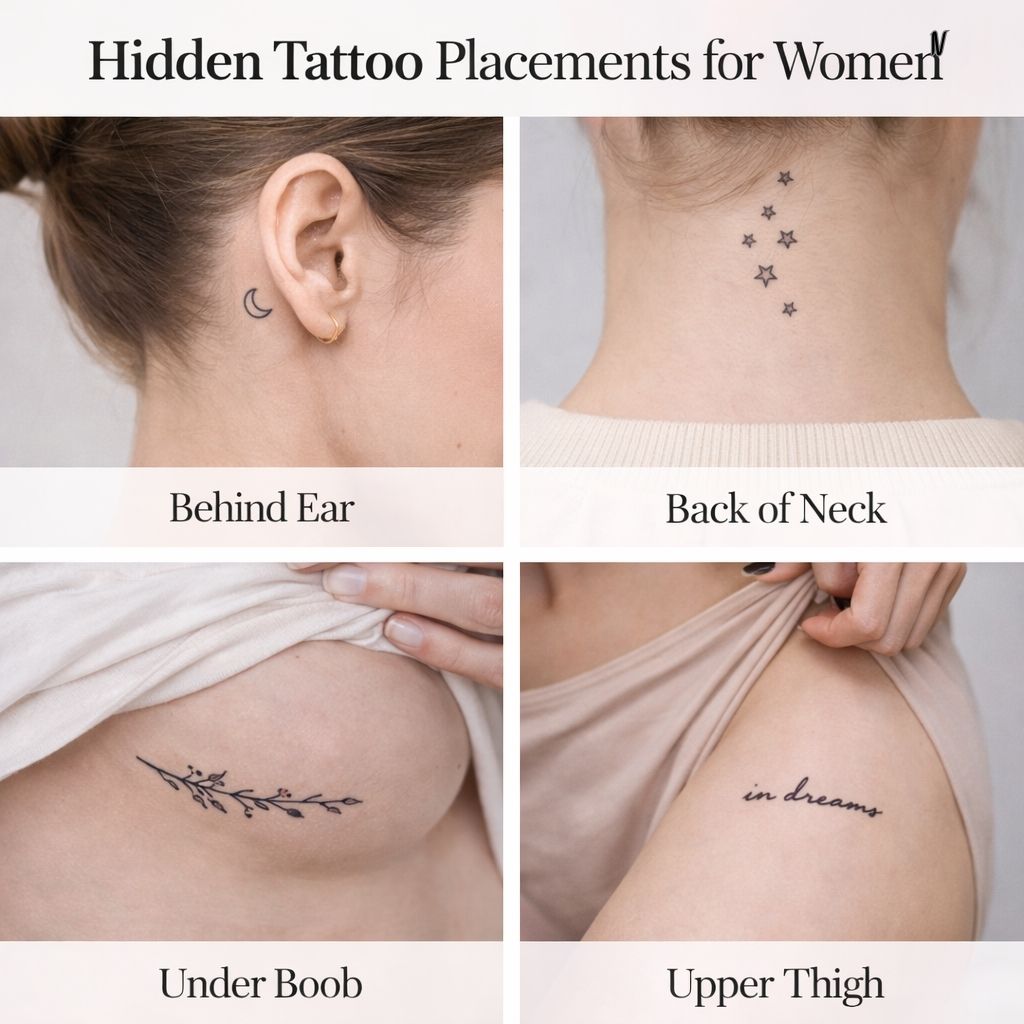
Some people prefer tattoos that are more private and only visible in certain situations.
Ribcage
Rib tattoos can look incredibly elegant because they follow the shape of the torso. This placement works well for longer designs such as script, floral patterns, or decorative artwork.
However, the rib area is known for being one of the more painful tattoo locations.
Upper thigh
The upper thigh provides a larger canvas for detailed tattoos. Many women choose this placement for larger floral designs or artistic illustrations.
Because it is easily hidden, the thigh is a popular option for those who prefer more discreet tattoos.
Back or spine
Spine tattoos create a dramatic visual effect, especially with symmetrical or vertical designs. Quotes, ornamental designs, or delicate patterns often work beautifully along the spine.
Like rib tattoos, spine tattoos can be more sensitive because the skin sits close to the bone.
Tattoo Pain Levels by Body Area
Pain tolerance differs from person to person, but certain areas of the body are generally more sensitive.
Least painful areas
Areas with more muscle and padding tend to be less painful. These include:
- upper arm
- thigh
- forearm
- calf
These areas are often recommended for first tattoos.
Moderately painful areas
These areas may cause some discomfort, but are still manageable for most people.
- shoulder
- wrist
- ankle
- collarbone
Most painful areas
Areas with thin skin or many nerve endings tend to be more sensitive.
- ribs
- spine
- feet
- hands
Understanding pain levels helps beginners choose placements that feel more comfortable for their first experience.
Tattoo Placements That Age Well
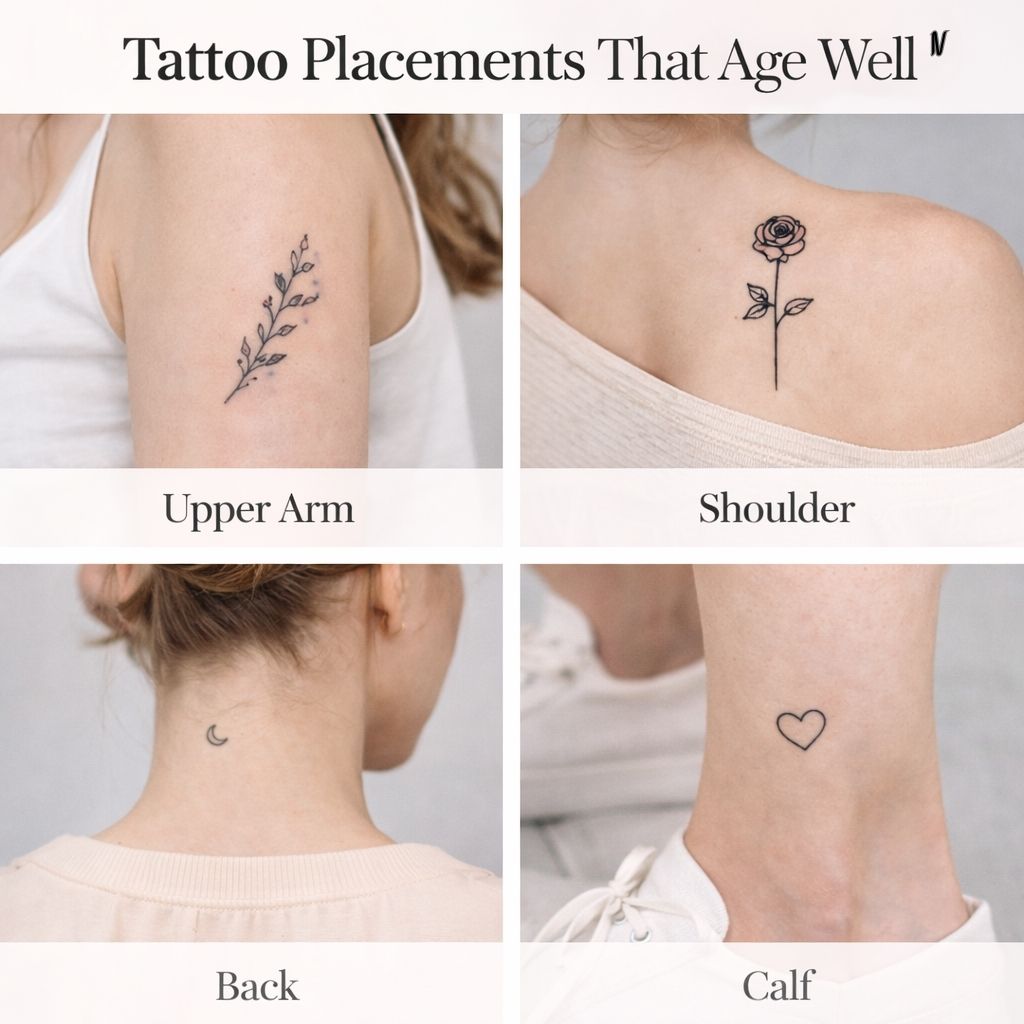
Some tattoo placements maintain clarity better than others as skin changes over time.
Areas that typically age well include:
- upper arm
- shoulder
- upper back
- thigh
These areas experience less stretching and friction, which helps tattoos maintain crisp lines.
Placements such as fingers, hands, and feet may fade faster due to constant movement and exposure.
Matching Tattoo Placement With Your Lifestyle
Lifestyle plays an important role when choosing tattoo placement. Certain professions or environments may require tattoos to be covered during work hours.
If flexibility is important, placements such as the upper arm, shoulder, or upper thigh allow tattoos to remain hidden under clothing.
People who enjoy displaying their tattoos may prefer areas like the forearm, ankle, or wrist. These placements allow tattoos to become a visible part of personal style.
Tips Professional Tattoo Artists Often Recommend
Tattoo artists frequently offer similar advice when helping clients decide on placement.
Many artists recommend choosing placements that allow enough space for the design to breathe. Extremely small tattoos placed in tight areas may lose detail over time.
Artists also suggest thinking about how the design flows with your body’s natural shape. Designs that follow muscle lines or bones often look more balanced and natural.
Finally, experienced artists encourage clients to take time before deciding. A thoughtful placement decision helps ensure the tattoo continues to feel right long after it heals.
Frequently Asked Questions
What is the best placement for a first tattoo?
Many beginners choose the forearm, shoulder, or upper arm because these areas offer moderate pain levels and enough space for clear designs.
Which tattoo placements hurt the most?
Ribcage, spine, feet, and hands tend to be among the most sensitive areas.
Can tattoo placement affect how the design ages?
Yes. Areas with frequent friction or movement may fade faster over time.
Are visible tattoos acceptable in professional settings?
This depends on the workplace. Some professions still prefer tattoos to be covered, while others have become more accepting.
Final Thoughts
Tattoo placement is just as important as the design itself. The right placement enhances the artwork, complements your body’s natural shape, and fits comfortably within your lifestyle.
Taking time to consider visibility, pain levels, and how tattoos age can help you make a confident decision. When design and placement work together, the result is a tattoo that feels balanced, intentional, and uniquely yours.