
Getting a tattoo often begins with choosing a design. What many people discover later is that the style of the tattoo can completely change how that design looks on the skin.
A rose tattoo in a traditional style feels bold and classic. The same rose drawn with fine lines can look delicate and modern. A realistic version may resemble a photograph. Because of this, understanding tattoo styles before committing to a design can save a lot of regret later.
When people choose their first tattoo, they often focus on meaning. Experienced tattoo artists, however, usually pay just as much attention to style, line thickness, shading technique, and how the design will age over time.
This guide explains the most common tattoo styles used today and provides practical advice that can help you decide which style fits your personality, your design idea, and your long-term expectations.
How Tattoo Style Affects the Final Result

Tattoo style is essentially the artistic language used to create the design. It determines how the tattoo is outlined, shaded, and colored.
Some styles rely on bold outlines and simple color palettes. Others use delicate lines and complex shading techniques. The style chosen will influence several important things:
- how noticeable the tattoo appears from a distance
- how well the design holds its shape over time
- how much detail the artist can include
- how easily the tattoo blends with other future tattoos
People who plan to build larger tattoo collections often think about style consistency early. Choosing a style that fits your overall aesthetic can make future tattoos feel more cohesive.
15 Popular Tattoo Styles
1. American Traditional
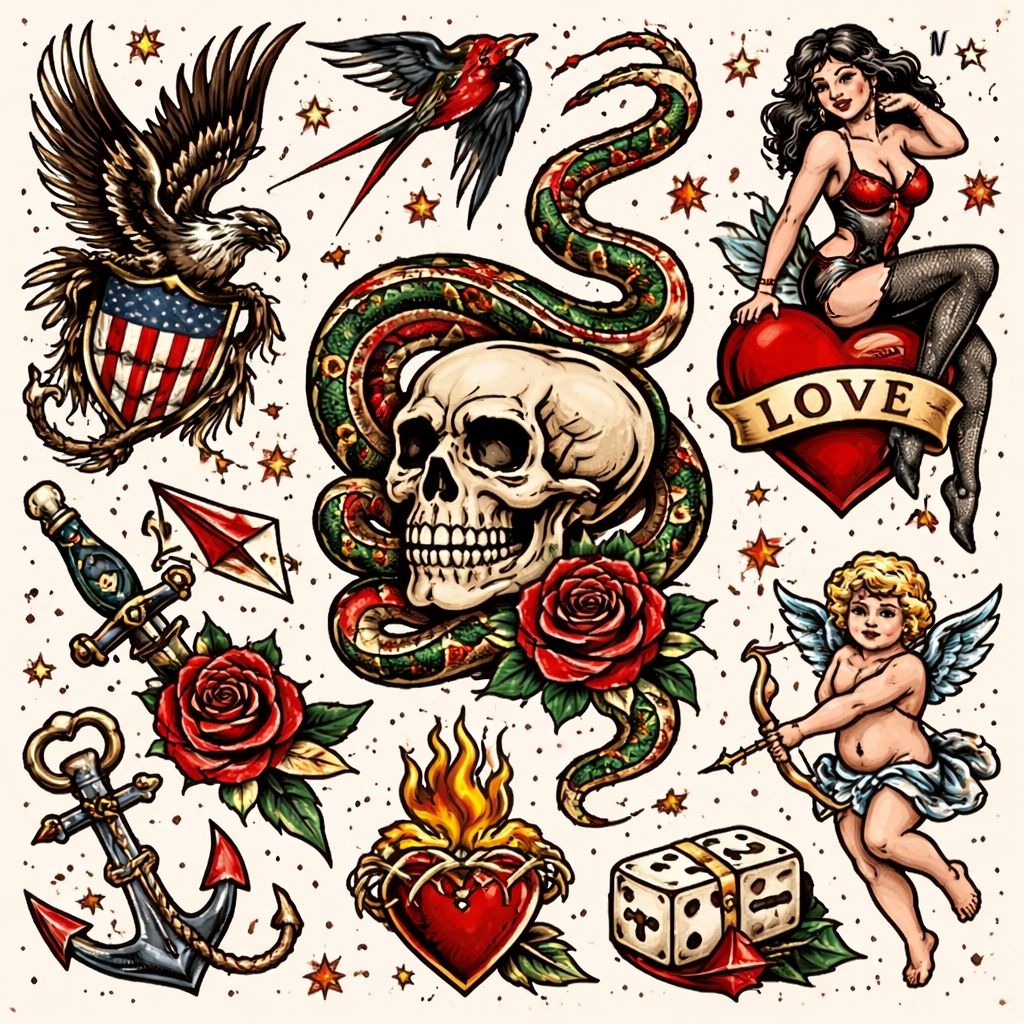
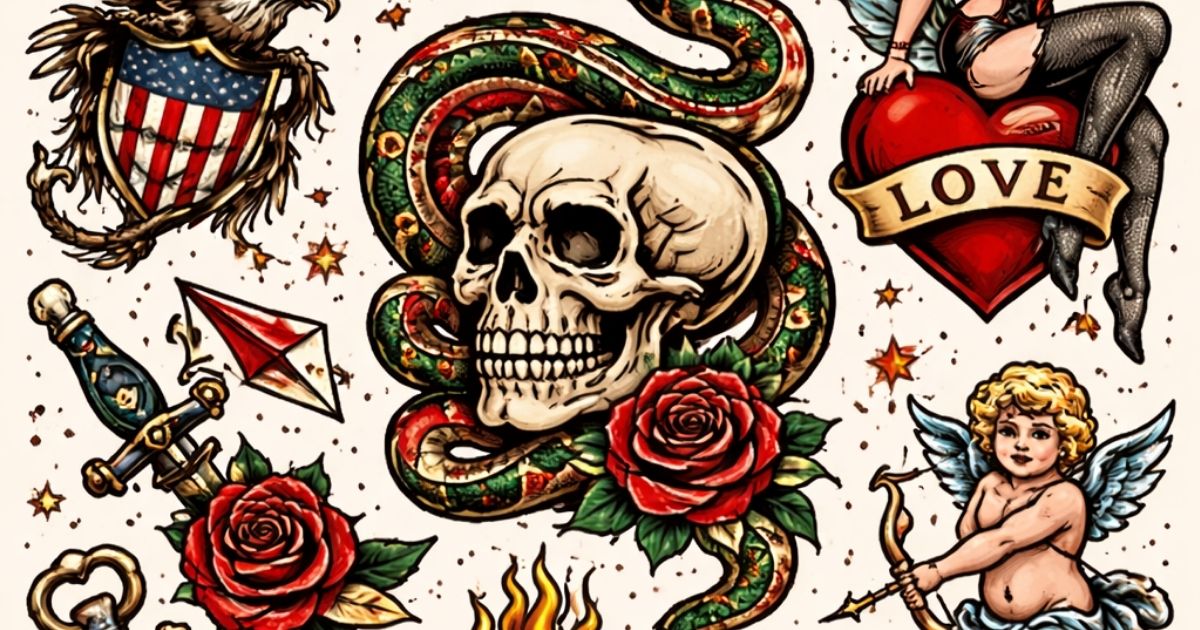
American Traditional tattoos are among the most recognizable styles in modern tattoo culture. They use thick black outlines, strong color contrast, and simplified designs.
Classic imagery often includes roses, anchors, swallows, and daggers. Because the lines are bold and the shading is simple, traditional tattoos tend to age very well.
Many experienced tattoo artists recommend this style for people who want a tattoo that remains clear for decades.
2. Neo-Traditional
Neo-traditional tattoos evolved from the traditional style but allow for greater artistic flexibility. Colors can be more varied, and shading techniques are more detailed.
Designs often feature animals, portraits, or decorative elements with dramatic lighting and depth.
This style works well for people who appreciate traditional tattoo aesthetics but want more visual complexity.
3. Fine Line Tattoos
Fine line tattoos have become extremely popular in recent years, especially for first tattoos. They rely on very thin lines and minimal shading to create delicate artwork.
These tattoos often include minimalist symbols, tiny illustrations, or small text.
While fine line tattoos can look elegant, choosing an experienced artist is important because thin lines require precision.
4. Minimalist Tattoos
Minimalist tattoos focus on simplicity and clarity. Designs are often small and use very few lines.
Common minimalist tattoos include small hearts, stars, geometric shapes, or simple animals.
This style appeals to people who want subtle tattoos that feel personal without dominating their appearance.
5. Realism
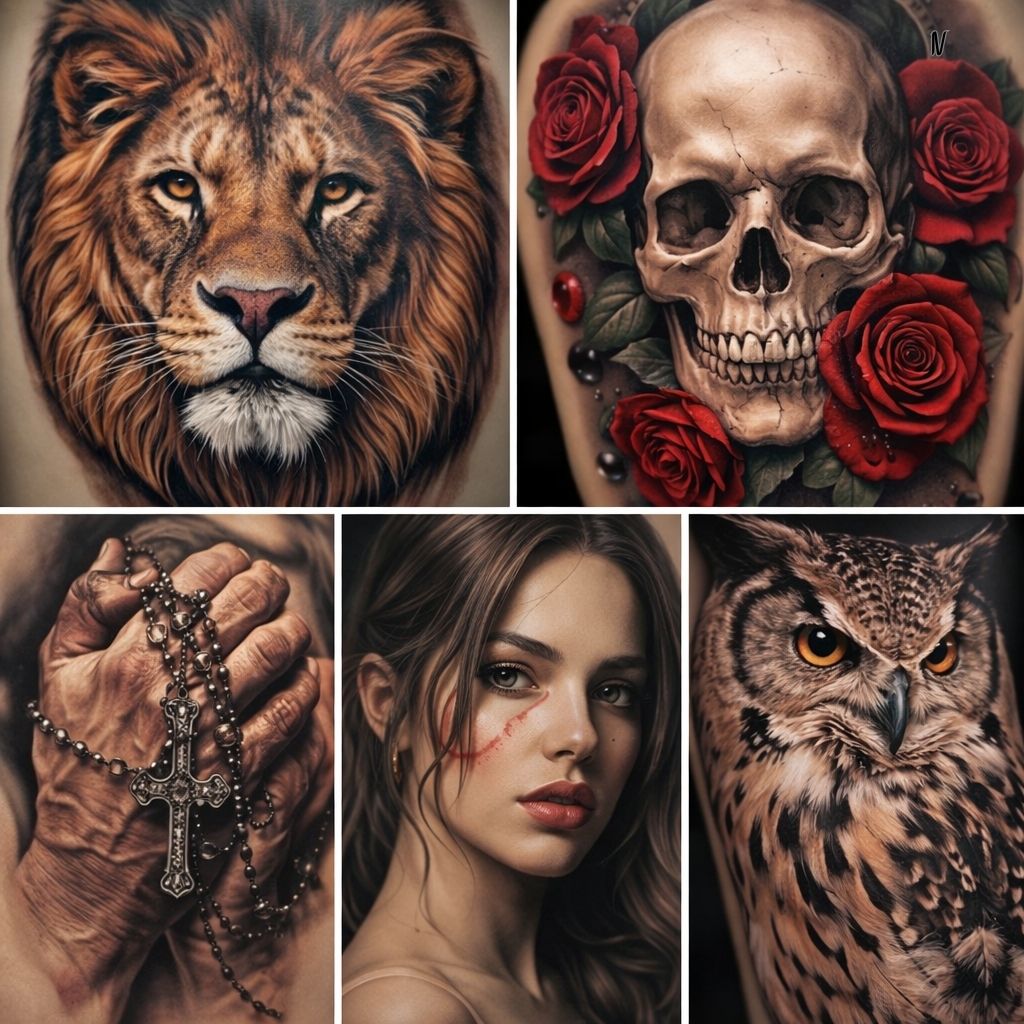
Realism tattoos aim to replicate real images as closely as possible. These tattoos often look like photographs transferred onto the skin.
Portraits, wildlife images, and detailed objects are common subjects.
Because realism tattoos rely heavily on shading and detail, they typically require artists with advanced technical skills.
6. Blackwork
Blackwork tattoos focus almost entirely on black ink. Artists use heavy contrast, geometric patterns, or solid black shapes to create dramatic designs.
Blackwork tattoos often appear bold and modern. They also tend to age well because strong black pigment remains visible over time.
7. Watercolor
Watercolor tattoos attempt to mimic the soft gradients and flowing color patterns seen in watercolor paintings.
Instead of relying on strong outlines, artists blend colors together to create a painterly effect.
Because this style requires careful technique, selecting an artist experienced with watercolor tattoos is important.
8. Japanese (Irezumi)
Japanese tattooing, known as Irezumi, has a long cultural history. These tattoos often form large compositions that flow across the body.
Dragons, koi fish, waves, and cherry blossoms frequently appear in these designs.
Japanese tattoos emphasize movement and balance, allowing the artwork to follow the body’s natural shape.
9. Geometric
Geometric tattoos rely on symmetry and precise shapes. These designs often incorporate triangles, circles, or repeating patterns.
Some geometric tattoos also draw inspiration from sacred geometry.
People who enjoy clean, structured designs often find this style particularly appealing.
10. Script Tattoos
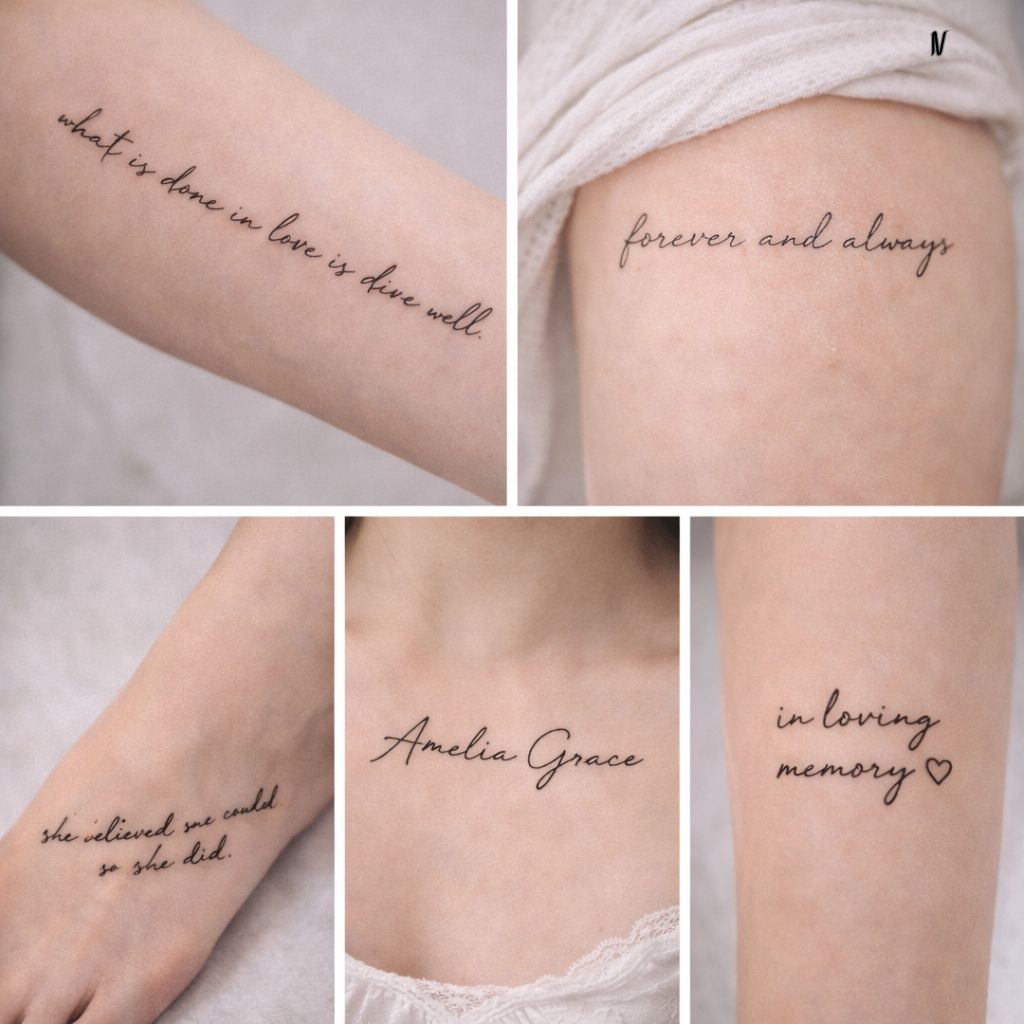
Script tattoos focus on lettering. These tattoos often feature quotes, names, or meaningful phrases.
Choosing the right font style is essential because script tattoos rely heavily on readability and spacing.
Even small differences in lettering style can change the entire mood of the tattoo.
11. Illustrative
Illustrative tattoos resemble hand-drawn artwork. Artists combine line work, shading, and creative composition to produce designs that look like illustrations from books or graphic art.
This style allows for significant artistic freedom and often produces highly unique tattoos.
12. Tribal
Tribal tattoos use bold black patterns that often follow the curves of the body. Many tribal designs originate from traditional cultural tattoo practices.
Because these designs can carry cultural meaning, researching their origins before choosing one is important.
13. Dotwork
Dotwork tattoos use thousands of tiny dots to create shading and depth. The result can produce intricate textures and detailed patterns.
Dotwork frequently appears in mandalas, ornamental tattoos, and geometric designs.
14. Abstract
Abstract tattoos break away from traditional imagery. Artists may use unusual shapes, colors, or patterns to create artwork that feels more experimental.
These tattoos often appeal to people who see tattoos as a form of modern art.
15. Ornamental
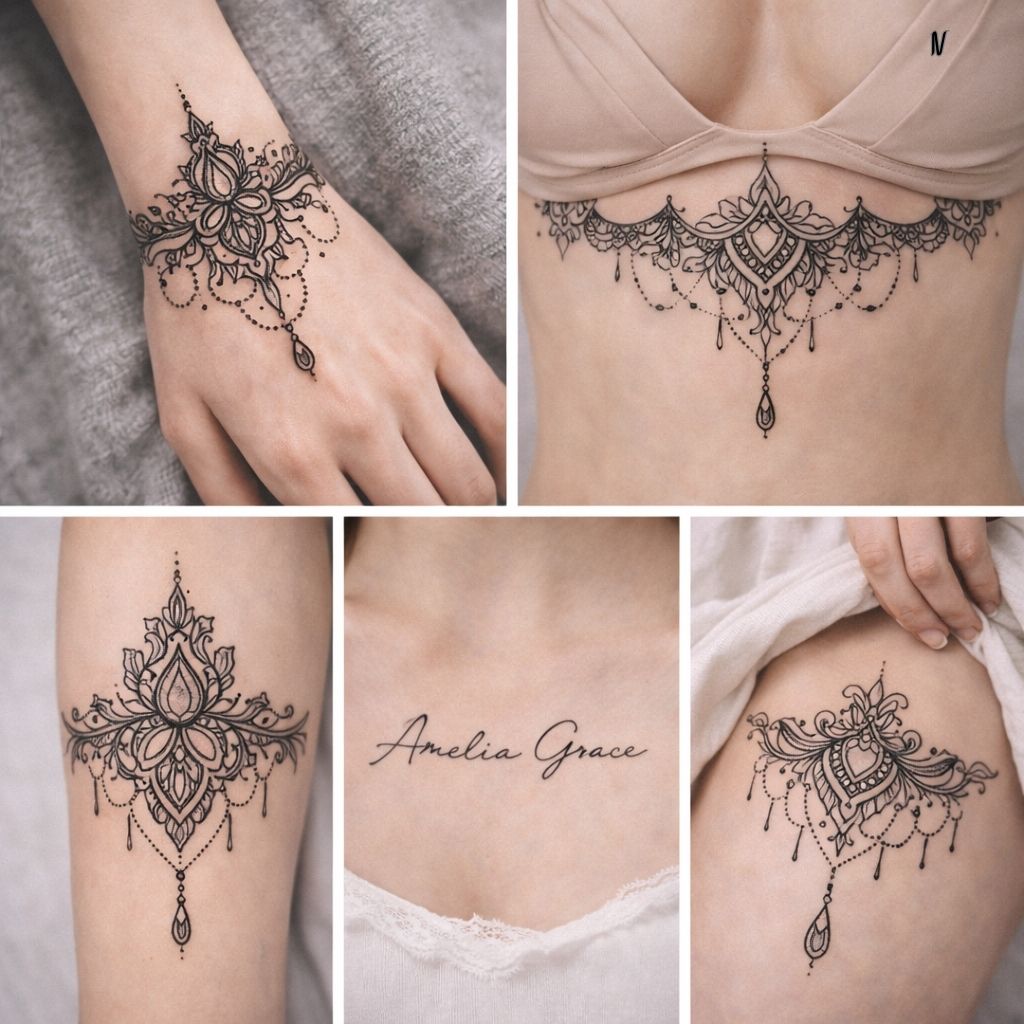
Ornamental tattoos focus on decorative patterns and symmetrical shapes. These tattoos often resemble jewelry or lace patterns.
They are frequently placed on areas like the sternum, collarbone, or hands.
How to Choose the Right Tattoo Style
When choosing a tattoo style, many people find it helpful to ask a few simple questions.
First, consider whether you prefer bold or subtle designs. Strong outlines and high contrast create visible tattoos, while fine line styles appear more delicate.
Second, think about how the tattoo might age. Styles with thicker outlines often remain clearer over time.
Third, review artist portfolios. Most tattoo artists specialize in particular styles, and their previous work can reveal whether they are a good match for your design idea.
Finally, take your time. A thoughtful decision usually leads to a tattoo that feels satisfying long after the excitement of the initial appointment fades.
Final Thoughts
Tattoo styles shape the entire personality of a tattoo. Two identical designs can feel completely different depending on how they are drawn and shaded.
Exploring different styles before committing to a tattoo allows you to find artwork that reflects both your aesthetic preferences and your long-term expectations. When the right design meets the right style, the result is a tattoo that feels both meaningful and visually timeless.