

One of the first questions people ask before getting a tattoo is simple: how much will it hurt? Tattoo pain is real, but it is also widely misunderstood. Some areas of the body are more sensitive than others, and several factors influence how intense the sensation feels during the process.
Many people imagine tattoo pain as extreme or unbearable. In reality, most tattoos feel more like a persistent scratching or vibrating sensation rather than sharp pain. The experience varies from person to person, but understanding which areas tend to hurt more can help you prepare mentally and choose a placement that suits your comfort level.
This guide explains why tattoos cause pain, which parts of the body are generally more sensitive, and offers practical tips to make the experience easier.
Why Tattoos Hurt
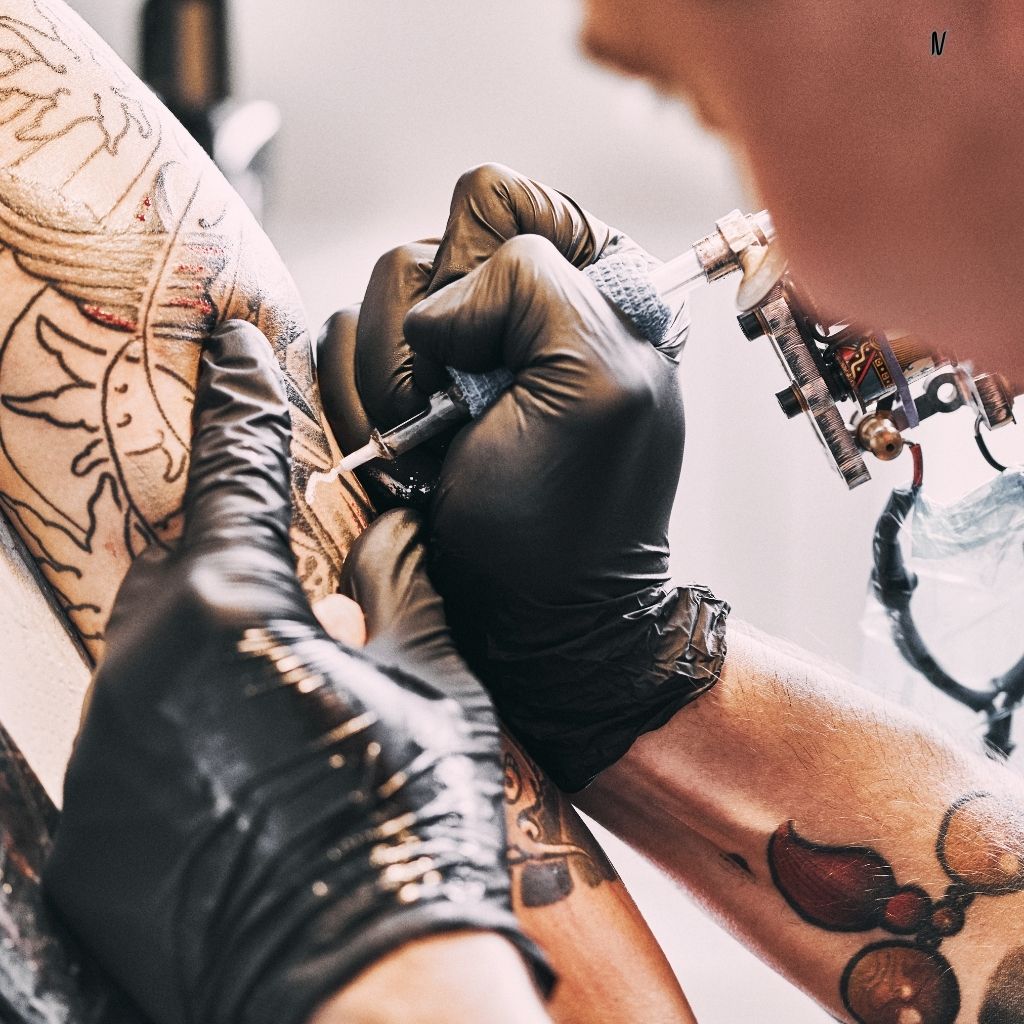
Tattooing works by inserting ink into the dermis, the layer of skin just beneath the surface. A tattoo machine moves needles rapidly, creating thousands of tiny punctures in the skin.
Your body interprets these repeated punctures as minor injuries. Nerve endings in the skin send signals to the brain, which creates the sensation we recognize as pain or discomfort.
However, the level of pain depends on several biological factors:
- the number of nerve endings in a specific area
- how close the skin sits to the bone
- the thickness of the skin
- the amount of muscle or fat beneath the skin
Areas with more padding generally feel less painful, while areas with thin skin and many nerves tend to be more sensitive.
The Tattoo Pain Scale
Although pain tolerance varies between individuals, tattoo artists often categorize body areas into three general pain levels: low, moderate, and high.
Understanding these categories can help you choose a placement that feels manageable, especially if it is your first tattoo.
Least Painful Tattoo Areas
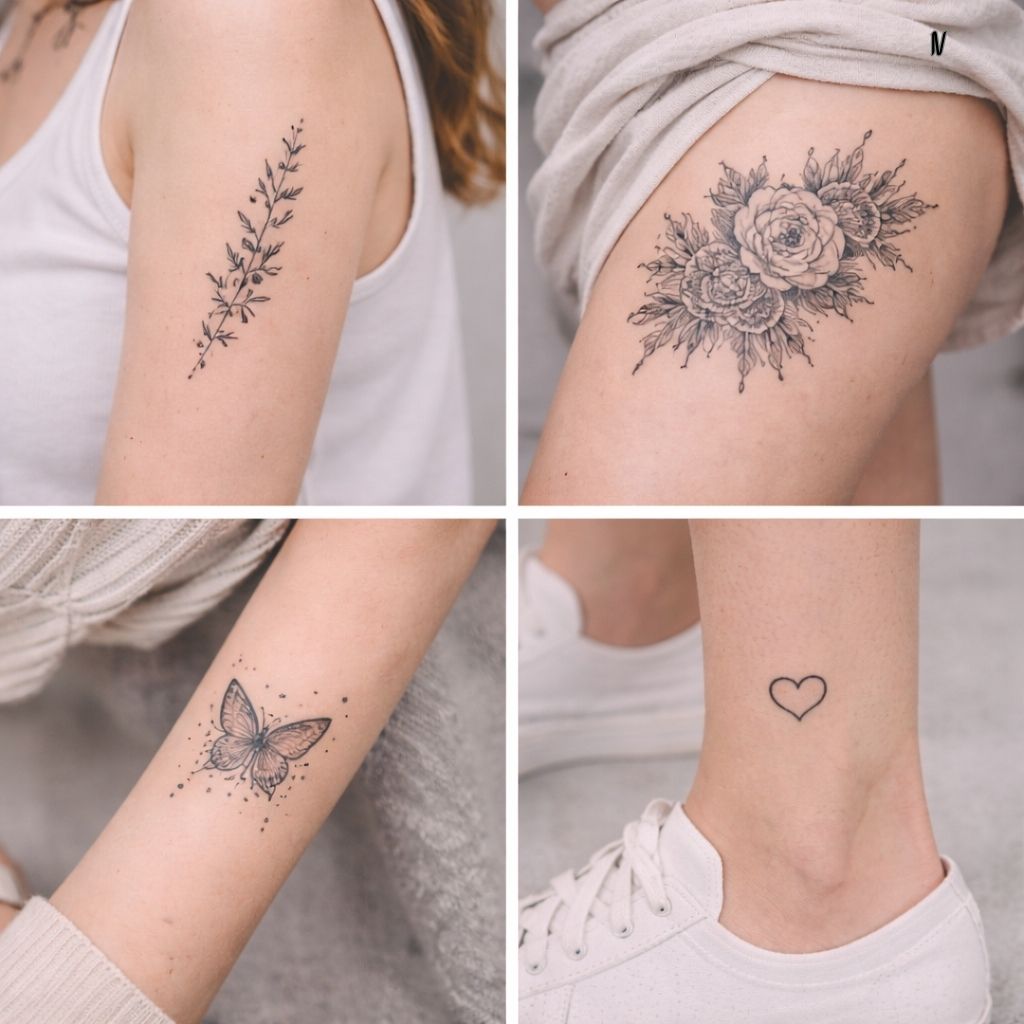
These areas typically have thicker skin or more muscle, which helps cushion the tattoo needle.
Upper Arm
The outer upper arm is one of the most comfortable tattoo locations. The muscle provides padding, and the area contains fewer sensitive nerve clusters.
Many first tattoos are placed here because the experience tends to be relatively manageable.
Thigh
The thigh offers a large surface area with substantial muscle and fat beneath the skin. This cushioning often reduces the intensity of the needle sensation.
Because of the available space, the thigh is also ideal for larger tattoo designs.
Forearm
Forearm tattoos are popular because they balance visibility with moderate comfort. While some areas of the forearm may feel slightly sensitive, most people describe the experience as tolerable.
The forearm is also an excellent placement for script or detailed designs.
Calf
The calf muscle absorbs much of the needle vibration, making this area one of the more comfortable options.
Calf tattoos are commonly chosen for medium to large designs.
Moderately Painful Tattoo Areas
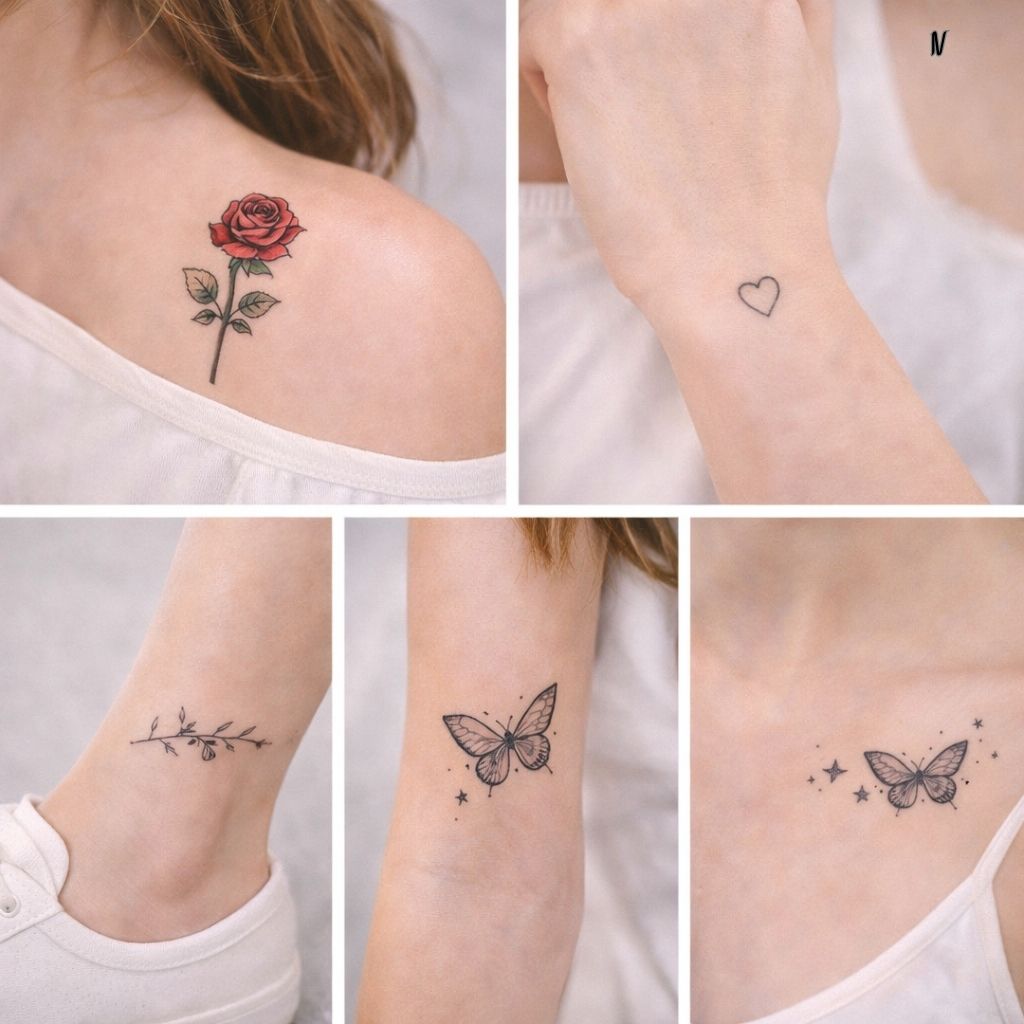
These areas contain thinner skin or more nerve endings, which can increase sensitivity.
Shoulder
The shoulder is composed of both muscle and bone. Certain parts of the shoulder blade area may feel slightly more sensitive than the outer shoulder.
Still, most people tolerate shoulder tattoos without significant difficulty.
Wrist
The wrist has thin skin and several nerve endings close to the surface. Tattoos in this area can feel sharper than on the upper arm.
However, wrist tattoos are usually small, which helps keep the session relatively short.
Ankle
Ankle tattoos often feel more intense because the skin sits close to the bone. The limited cushioning means vibrations from the tattoo machine can feel stronger.
Despite this, many people still choose the ankle for its subtle aesthetic.
Collarbone
The collarbone area has little muscle covering the bone, which increases sensitivity. Many people describe the sensation here as a vibrating or scraping feeling.
Most Painful Tattoo Areas
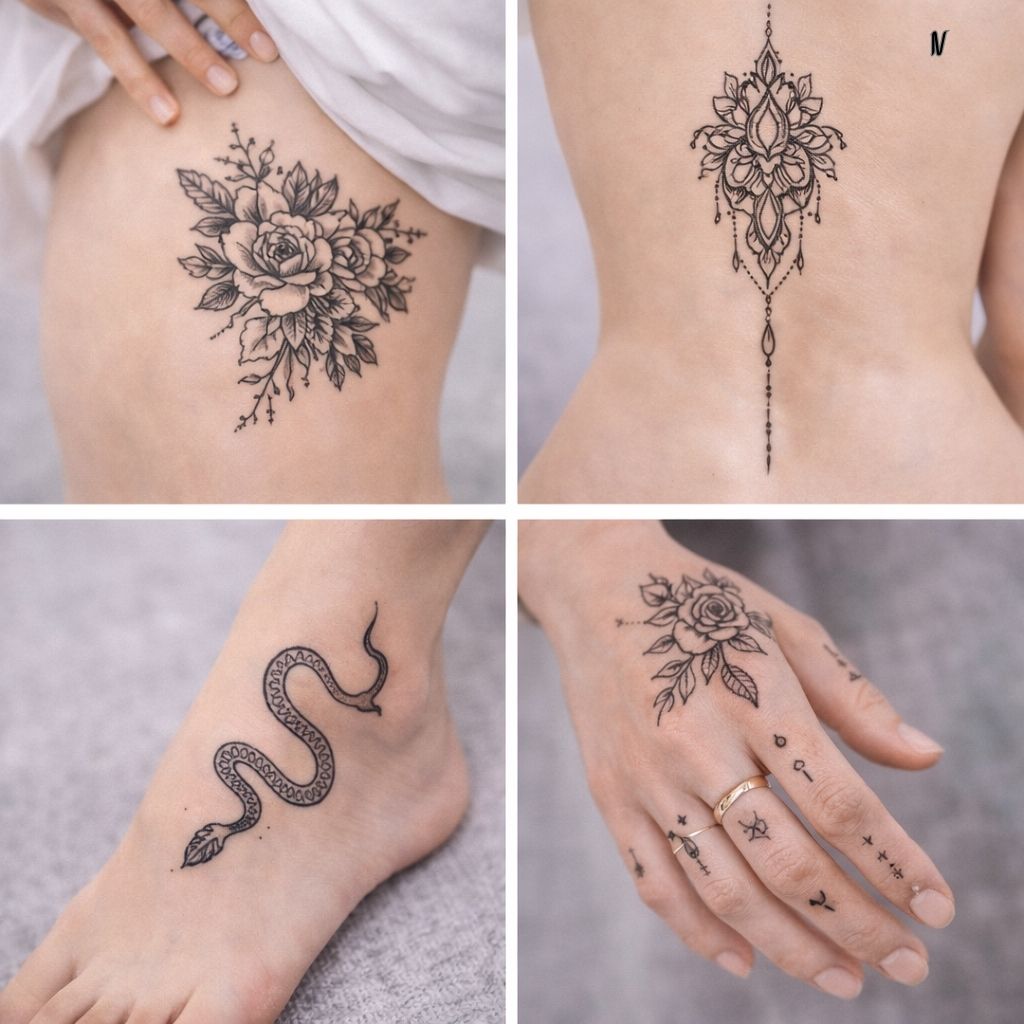
Certain areas of the body contain dense nerve networks or very thin skin. These locations tend to produce stronger sensations during tattooing.
Ribcage
Rib tattoos are widely known for being painful. The skin in this area is thin, and the needle works close to the bone.
Breathing also causes the ribcage to move, which can make the process feel more uncomfortable.
Spine
Spine tattoos can be sensitive because the skin sits directly above the spinal bones and nerves.
The vibration from the tattoo machine often travels along the spine, intensifying the sensation.
Feet
Feet contain many nerve endings and have very little fat or muscle beneath the skin. Tattoos in this area can feel sharp and intense.
Foot tattoos may also require extra care during healing due to friction from footwear.
Hands and Fingers
Finger tattoos have become increasingly popular, but they can be quite painful. The skin is thin, and the bones lie close to the surface.
Additionally, finger tattoos may fade faster because of frequent hand movement.
Why Pain Varies Between People
Two people can receive tattoos in the same location and experience very different levels of pain.
Several factors influence how the body reacts to tattooing.
Individual pain tolerance
Pain tolerance varies widely. Some people naturally process pain signals differently due to genetics or previous experiences.
Stress and anxiety
Feeling anxious before a tattoo session can heighten sensitivity. When the body is tense, nerve signals may feel stronger.
Sleep and hydration
Being well-rested and hydrated can improve how the body handles discomfort during a tattoo session.
Length of the session
Longer tattoo sessions often become more uncomfortable as the skin grows irritated and sensitive.
Tips to Reduce Tattoo Pain

Although tattoo pain cannot be eliminated entirely, several simple steps can make the experience more manageable.
Get enough rest
Sleep helps the body regulate stress and pain signals. Arriving at your appointment well rested can improve your overall comfort.
Stay hydrated
Hydrated skin is more resilient and may tolerate the tattoo process better.
Eat beforehand
Low blood sugar can increase sensitivity to pain. Eating a balanced meal before your appointment helps maintain energy levels.
Choose an experienced artist
Skilled tattoo artists work efficiently and apply consistent pressure, which can make the experience smoother.
Focus on breathing
Controlled breathing can help relax the body and reduce tension during the session.
Is Tattoo Pain Worth It?
Despite concerns about pain, millions of people continue to get tattoos every year. For many, the brief discomfort is a small trade-off for a piece of art that holds personal meaning.
Most tattoo sessions last only a few hours, but the artwork can remain meaningful for a lifetime.
Understanding what to expect helps transform tattoo pain from a source of anxiety into a manageable part of the process.
Final Thoughts
Tattoo pain varies depending on placement, body composition, and individual tolerance. Areas with more muscle tend to feel less painful, while areas close to bone or packed with nerve endings often feel more intense.
Choosing the right placement for your first tattoo can make the experience more comfortable and enjoyable. With proper preparation and a skilled artist, most people find that tattoo pain is far less intimidating than they initially imagined.
In the end, the temporary discomfort is simply part of the journey toward creating a lasting piece of personal expression.