
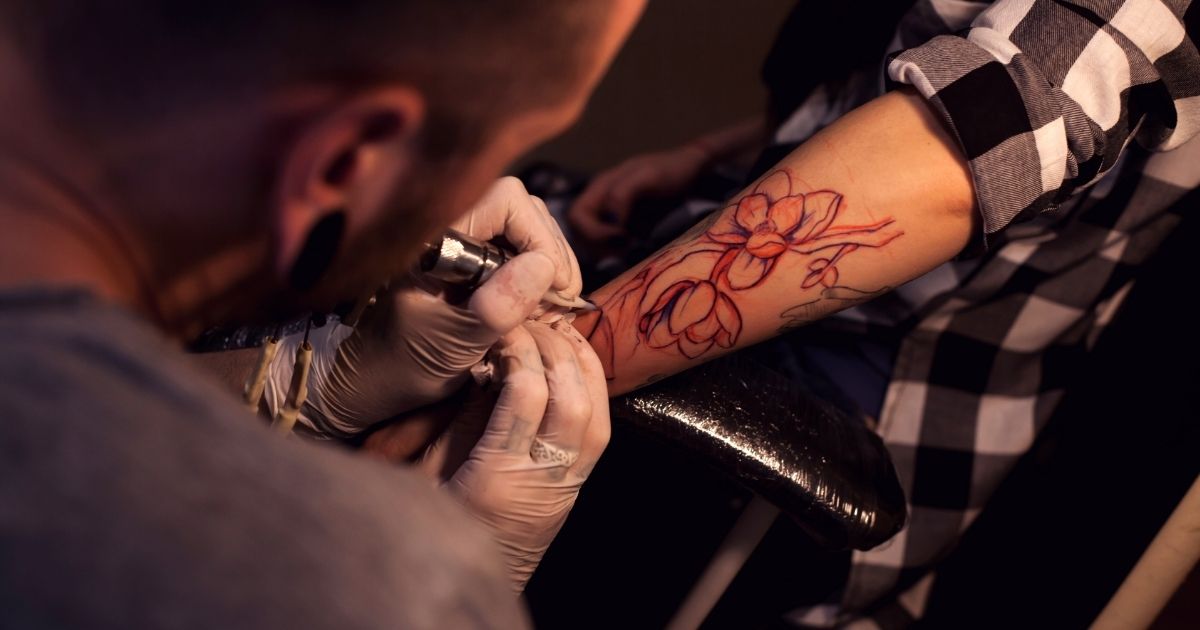
Fine line tattoos have become one of the most recognizable trends in modern tattoo culture. Their delicate appearance and minimalist aesthetic appeal to people who want something subtle but meaningful.
Instead of bold outlines or heavy shading, fine line tattoos rely on extremely thin lines and careful precision to create elegant designs.
At first glance, these tattoos may look simple, but they require a high level of skill from the artist. Because the lines are so thin, there is very little room for mistakes.
A slight inconsistency in pressure or spacing can affect how the tattoo heals and ages. If you are considering a fine line tattoo, it helps to understand both the beauty and the limitations of this style.
Knowing how these tattoos are created, how they age, and how to choose the right artist can help you make a decision you will feel confident about for years.
What Makes Fine Line Tattoos Different
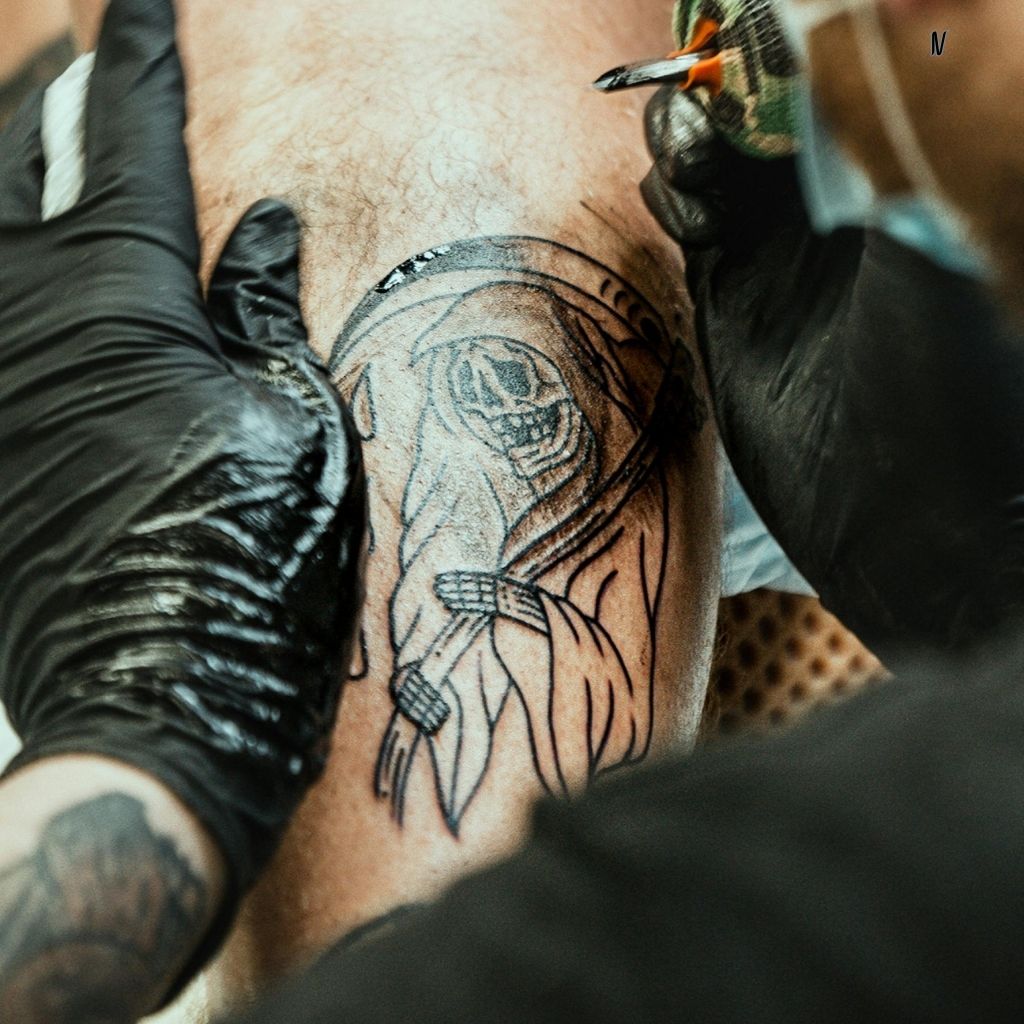
Fine line tattoos are created using very small needle groupings that allow artists to draw precise, delicate lines. The goal is to create a design that feels light and refined rather than bold or heavy.
These tattoos usually feature:
- very thin outlines
- minimal or no shading
- simple shapes or illustrations
- small to medium-sized designs
Because the style focuses on restraint, the artist must carefully balance spacing and line weight so the tattoo remains readable over time.
One important detail that many people overlook is that fine line tattoos require intentional design choices. A design that looks beautiful on paper may not always translate well to skin if the lines are too close together.
Why Fine Line Tattoos Are So Popular
Several factors have contributed to the growing popularity of this tattoo style.
Clean and modern appearance
Fine line tattoos often feel contemporary and understated. They blend easily with different personal styles and do not dominate the overall look of the body.
Perfect for meaningful symbols
Many people use fine line tattoos to represent personal milestones, memories, or values. The subtle nature of the design can make the tattoo feel more intimate.
Flexible placement options
Because the designs are usually smaller, fine line tattoos can fit in areas where larger tattoos might feel overwhelming.
Appealing for first tattoos
People getting their first tattoo often prefer something small and elegant. Fine line designs offer that balance between artistic expression and subtlety.
Popular Fine Line Tattoo Ideas
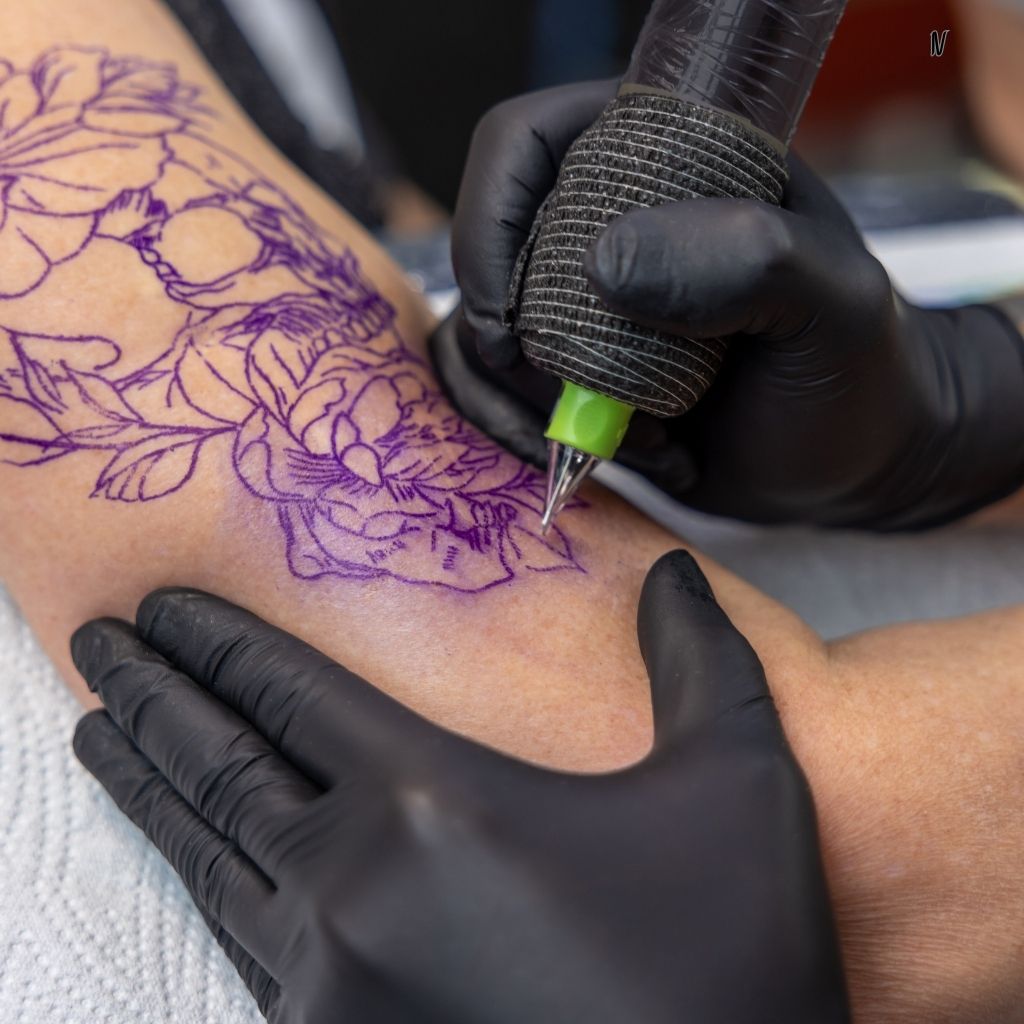
Fine line tattoos can adapt to many different design concepts. However, some themes tend to work particularly well with this style.
Botanical designs
Flowers, leaves, and delicate branches are extremely popular in fine line tattoos. Thin lines capture the natural flow of plants without making the design appear heavy.
Minimalist animals
Animals drawn with simple outlines create elegant tattoos that still convey personality. Birds, butterflies, cats, and wolves are common choices.
Script and lettering
Short quotes, names, or meaningful words often look refined when done with thin lines and elegant fonts.
Abstract and geometric designs
Simple shapes and balanced patterns can create visually satisfying fine line tattoos.
The Reality of How Fine Line Tattoos Age
One of the most common concerns about fine line tattoos is longevity. Because the lines are extremely thin, some people worry that they may fade quickly.
The truth is more nuanced.
All tattoos change slightly as the skin ages. Fine line tattoos may soften more noticeably than bold tattoos because the lines are smaller to begin with. However, several factors strongly influence how well they hold up.
Important factors include:
- the experience of the tattoo artist
- the size of the design
- spacing between lines
- skin type and placement
For example, a slightly larger fine line tattoo with proper spacing will usually age much better than an extremely tiny design packed with details.
Best Placement for Fine Line Tattoos
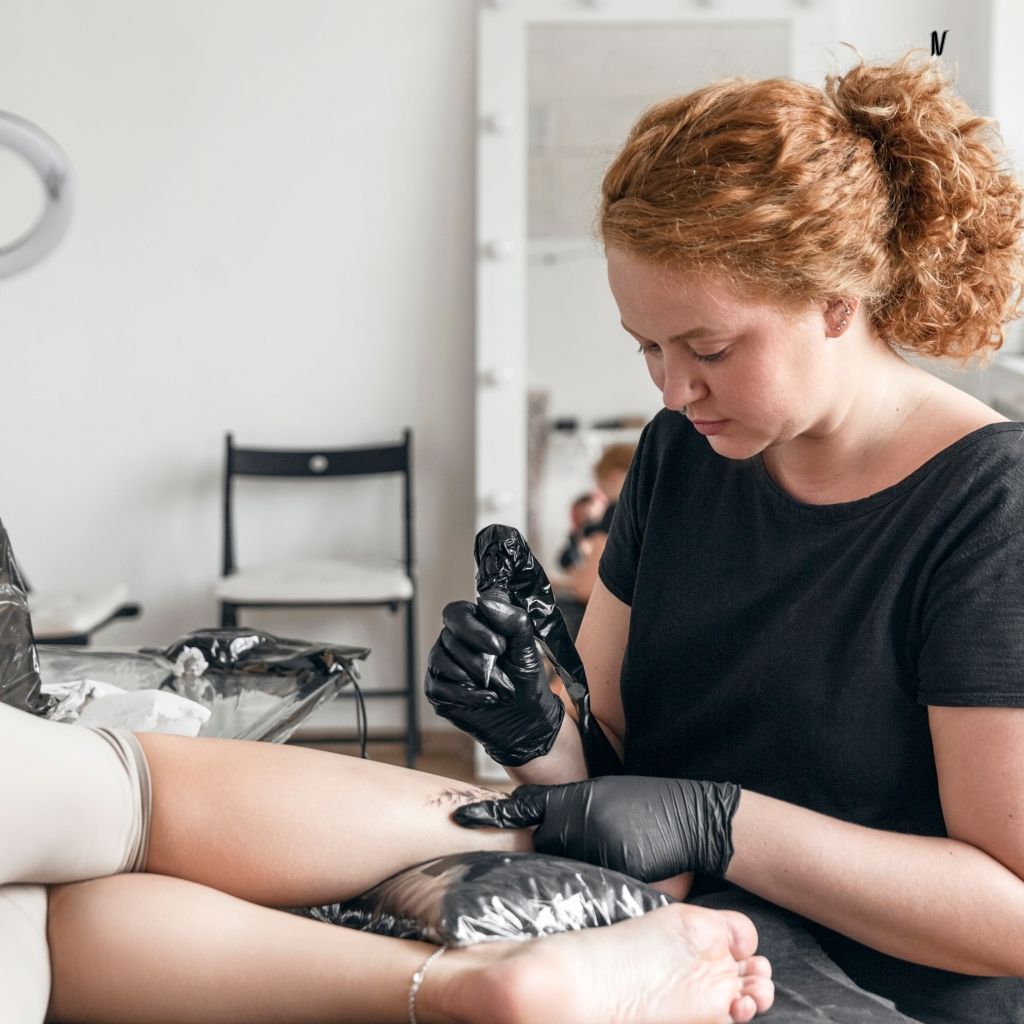
Placement has a significant impact on how a fine line tattoo heals and ages.
Areas with smoother skin and less friction tend to maintain delicate lines better.
Common placements include:
- inner forearm
- collarbone
- upper arm
- shoulder
- ankle
Areas that experience frequent movement or friction, such as fingers or feet, may cause delicate lines to fade more quickly.
An experienced tattoo artist can recommend placements that work best for your specific design.
How to Choose the Right Fine Line Tattoo Artist
Fine line tattoos demand precision. A skilled artist understands how to control needle depth, line weight, and spacing.
When researching tattoo artists, look for portfolios that show:
- consistent thin line work
- symmetrical designs
- healed tattoos rather than only fresh ones
Healed photos are particularly valuable because they show how the tattoo actually settles into the skin over time.
A good consultation with the artist can also help refine the design so that it remains clear and balanced.
What the Tattoo Session Is Like
The tattoo process for fine line tattoos is similar to other styles, but the technique may feel slightly different.
Because the artist works with smaller needles and lighter pressure, the sensation may feel more like a gentle scratching rather than deep vibration.
Many fine line tattoos are completed relatively quickly, especially if the design is small. However, the artist may work slowly to ensure every line remains precise.
As with all tattoos, the level of discomfort depends more on placement than on the tattoo style itself.
Aftercare Tips for Fine Line Tattoos
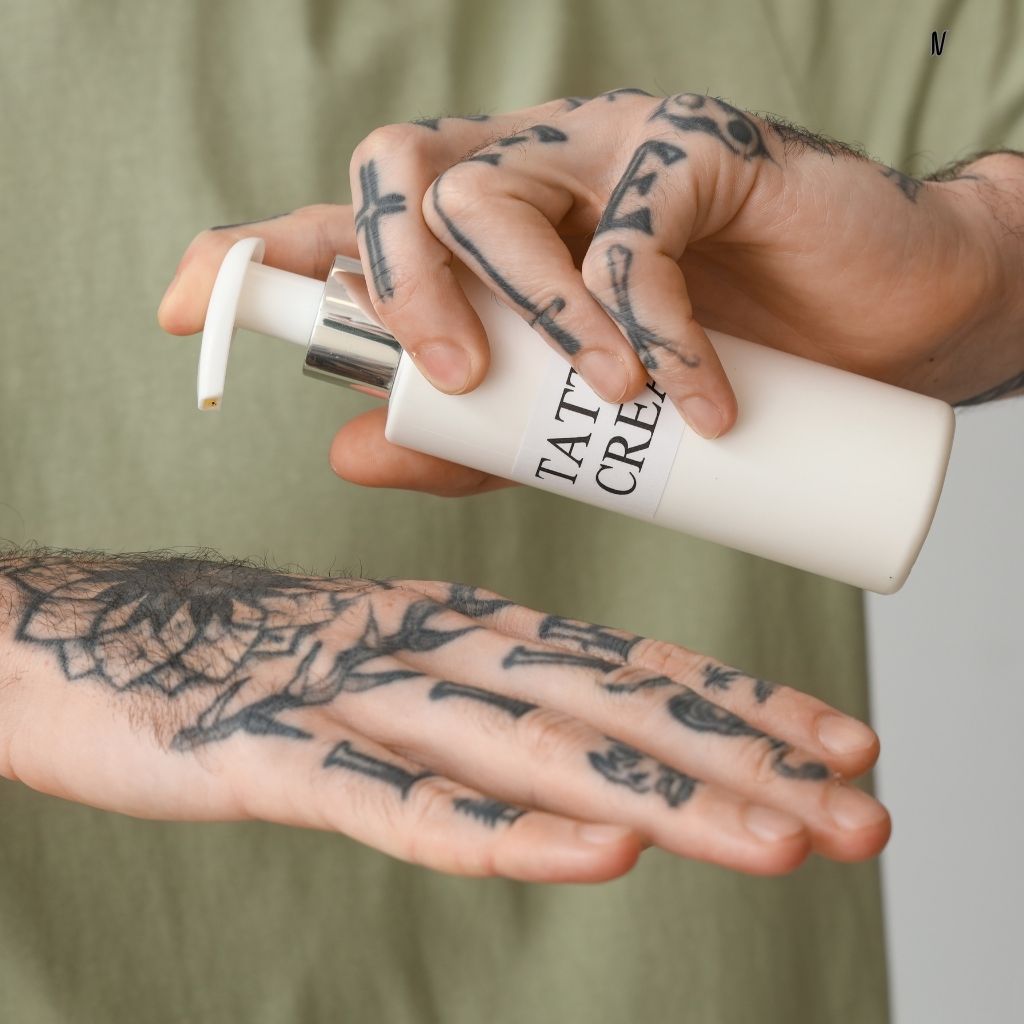
Proper aftercare is essential for protecting delicate line work.
During the healing process:
- gently clean the tattoo with mild soap
- apply a thin layer of fragrance-free moisturizer
- avoid scratching or picking at peeling skin
- keep the tattoo out of direct sunlight
Once healed, applying sunscreen regularly can help preserve the clarity of the lines.
Healthy skin helps tattoos appear brighter and more defined.
Common Mistakes to Avoid
Many fine line tattoo problems come from avoidable design choices.
Choosing designs that are too tiny
Extremely small tattoos with multiple details often blur together as the skin changes.
Ignoring spacing between lines
Proper spacing helps prevent lines from merging over time.
Choosing artists who lack experience with fine lines
Not every tattoo artist specializes in delicate line work. Finding someone who regularly creates this style is important.
Questions to Ask Before Getting a Fine Line Tattoo
Before committing to a design, it may help to ask yourself a few practical questions.
- Does the design remain clear if it is slightly larger?
- Will the lines still look balanced if the tattoo softens slightly over time?
- Is the artist experienced with delicate line work?
- Does the placement allow the design enough space?
These questions often lead to better long-term tattoo results.
Why Fine Line Tattoos Continue to Grow in Popularity
Fine line tattoos represent a shift in how many people approach body art. Instead of bold statements, many individuals now prefer subtle designs that reflect personal meaning in a quieter way.
When done well, fine line tattoos combine simplicity with craftsmanship. Their elegance lies not in complexity, but in precision and thoughtful design.
For people who appreciate subtle beauty and minimalist expression, fine line tattoos offer a style that feels both modern and timeless.