

A tattoo is more than just a beautiful piece of art; it’s a healing process. After the excitement of getting inked, your skin needs time to recover and adjust. Understanding the tattoo healing timeline can help you manage expectations, avoid complications, and ensure your tattoo heals properly.
Tattoo healing takes time and proper care. While the outer layers of your skin may heal relatively quickly, the deeper layers can take longer to fully regenerate.
This guide will walk you through each stage of the healing process, what to expect at each phase, and how to care for your tattoo to ensure it stays vibrant for years to come.
What Happens During the Tattoo Healing Process?
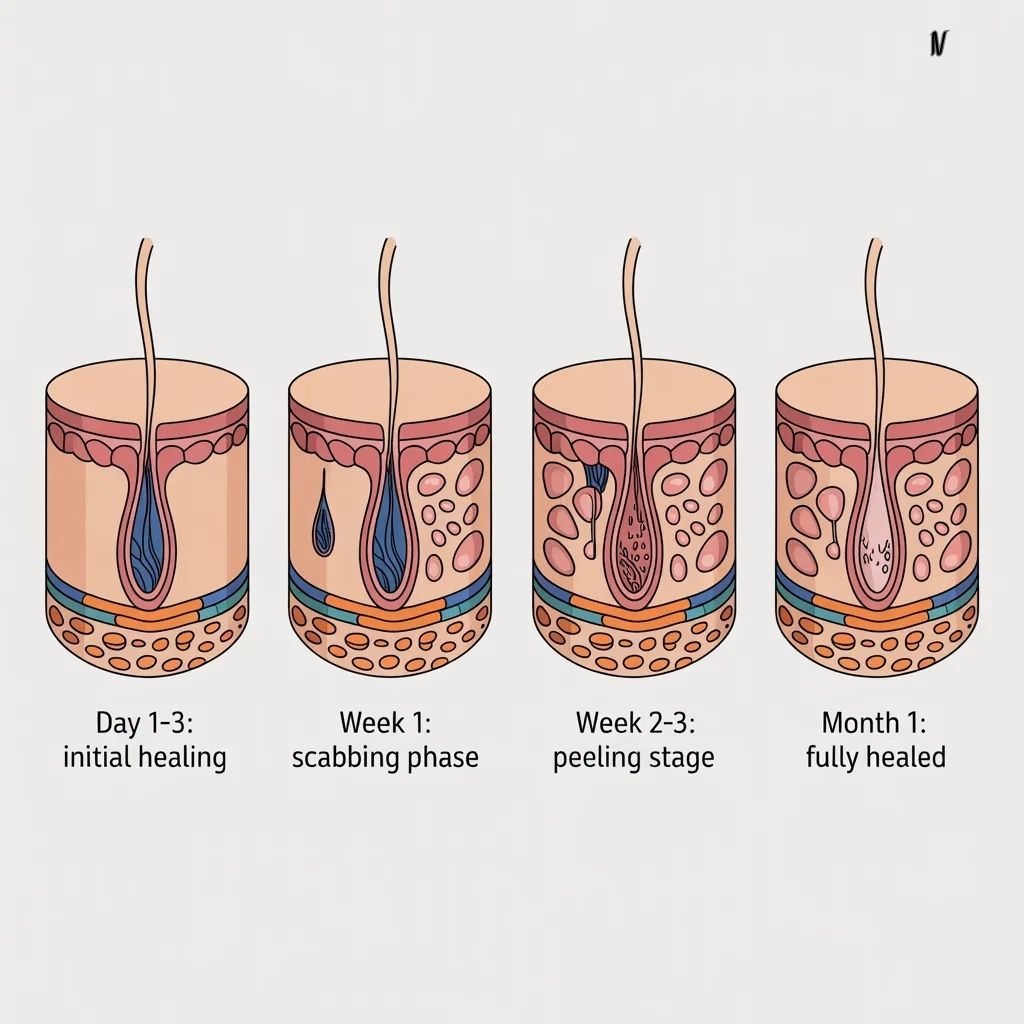
After you get your tattoo, your body begins the natural healing process. This involves several stages that help the skin regenerate, repair itself, and lock the tattoo pigment in place.
Tattoo healing occurs in two main stages:
- Surface healing: The outer layer of skin begins to recover, and scabs form.
- Deeper healing: The dermis (the deeper skin layer where the ink sits) heals fully, which can take weeks.
Proper care during both stages is essential for maintaining a sharp, clean tattoo. This process typically takes about 2 to 4 weeks for the surface healing and can continue for several months until the tattoo is fully settled.
Day 1: The Immediate Aftercare
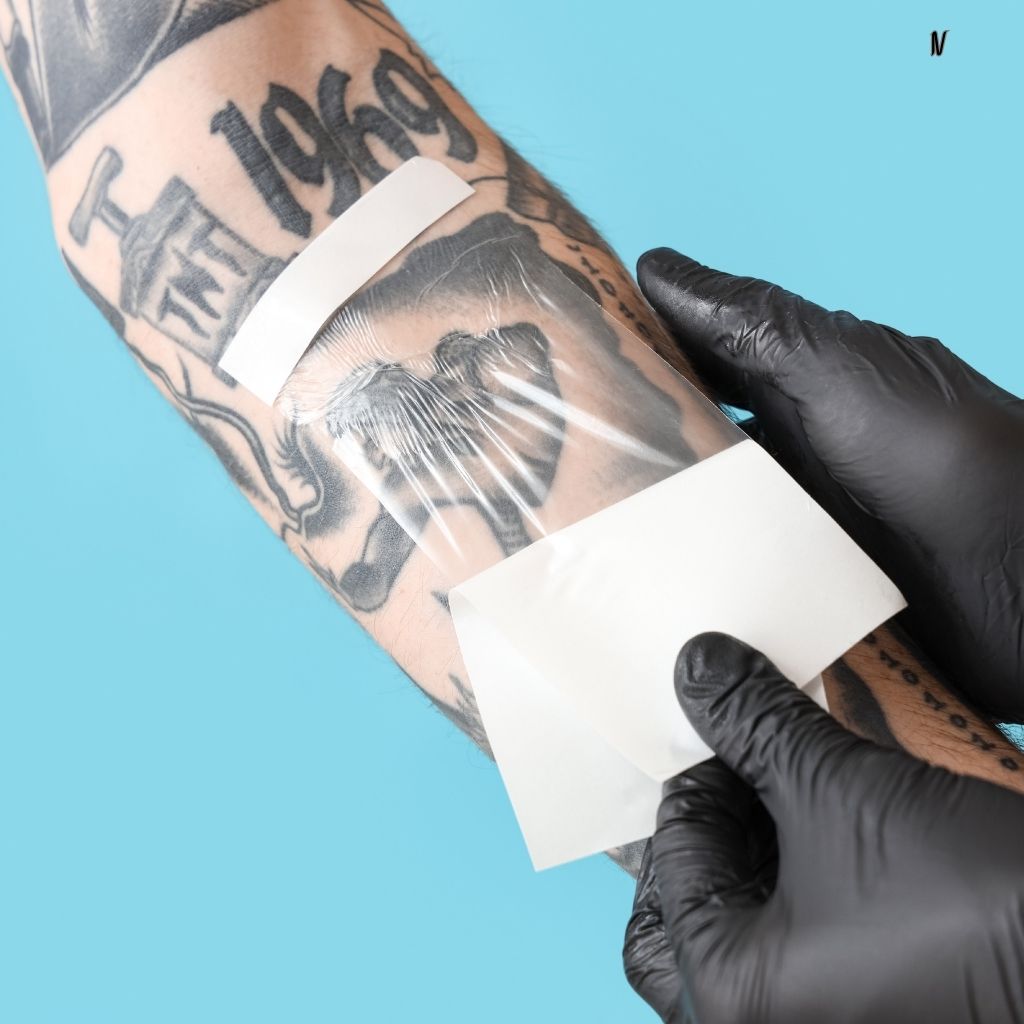
The first 24 hours after getting your tattoo are critical. During this time, your skin is most vulnerable to irritation, infection, and other forms of damage.
What to expect:
- Redness: Expect mild redness around the tattoo area due to the fresh trauma to the skin.
- Swelling: The area may be slightly swollen, especially in the first few hours.
- Oozing: The tattooed skin may release plasma, blood, or ink as it begins to heal.
Aftercare tips:
- Keep it covered: Most tattoo artists apply a protective bandage or plastic wrap to the area. Keep it on for the first few hours as instructed.
- Wash your hands: Before touching your tattoo, wash your hands thoroughly to avoid transferring bacteria.
- Clean gently: After removing the bandage, gently wash your tattoo with mild, unscented soap and lukewarm water to remove any excess ink, plasma, or blood. Pat it dry with a clean paper towel.
Day 2–5: The Peeling and Itchy Stage
As the tattoo starts to dry, the outer layer of skin will begin to flake and peel. This is a normal part of the healing process and should not be mistaken for infection or scabbing.
What to expect:
- Peeling: The tattooed area will start to flake and peel, similar to sunburn peeling.
- Itching: As the skin heals, it can become itchy. Do not scratch or pick at the tattoo as it can affect the design and lead to scarring.
Aftercare tips:
- Moisturize: Apply a thin layer of fragrance-free tattoo aftercare ointment or a gentle moisturizer to keep the tattoo hydrated.
- Avoid tight clothing: Wearing tight clothes over the tattooed area can cause friction and irritation.
- Avoid soaking: Avoid soaking your tattoo in water (e.g., pools, hot tubs, or baths) during this phase.
Day 6–14: The Healing Continues

By this stage, the outer skin layer is mostly healed, but the deeper layers are still repairing. The tattoo might look clearer as peeling subsides, but the skin is still in recovery.
What to expect:
- Less redness and swelling: The area should no longer be swollen or red, but some mild irritation may remain.
- Continued peeling: You may still experience slight peeling or dryness.
- Itching may persist: The healing skin can continue to itch as it regenerates.
Aftercare tips:
- Keep moisturizing: Continue to apply a thin layer of moisturizer to prevent the tattoo from drying out.
- Avoid sun exposure: Keep your tattoo out of the sun to prevent fading and irritation.
- No scratching: If itching is unbearable, gently tap the area instead of scratching it. Scratching can damage the design and lead to infection.
Day 15–21: Surface Healing Complete
At this stage, the outer layers of skin are completely healed, and the tattoo should appear much clearer. However, the deeper layers may still be healing.
What to expect:
- Less peeling: The tattoo will no longer peel, and the skin will feel more like normal.
- Slight fading: Some tattoos may appear a bit lighter as the outer layer of skin fully heals.
- Tattoo may still feel sensitive: the area might still feel tender to the touch, which is normal during the early healing phase.
Aftercare tips:
- Apply sunscreen: Once your tattoo has fully healed, start applying sunscreen (SPF 30 or higher) before going outside to prevent fading and sun damage.
- Avoid tight clothing: Friction from tight or synthetic fabrics can irritate and delay healing.
Day 22–28: Full Surface Healing
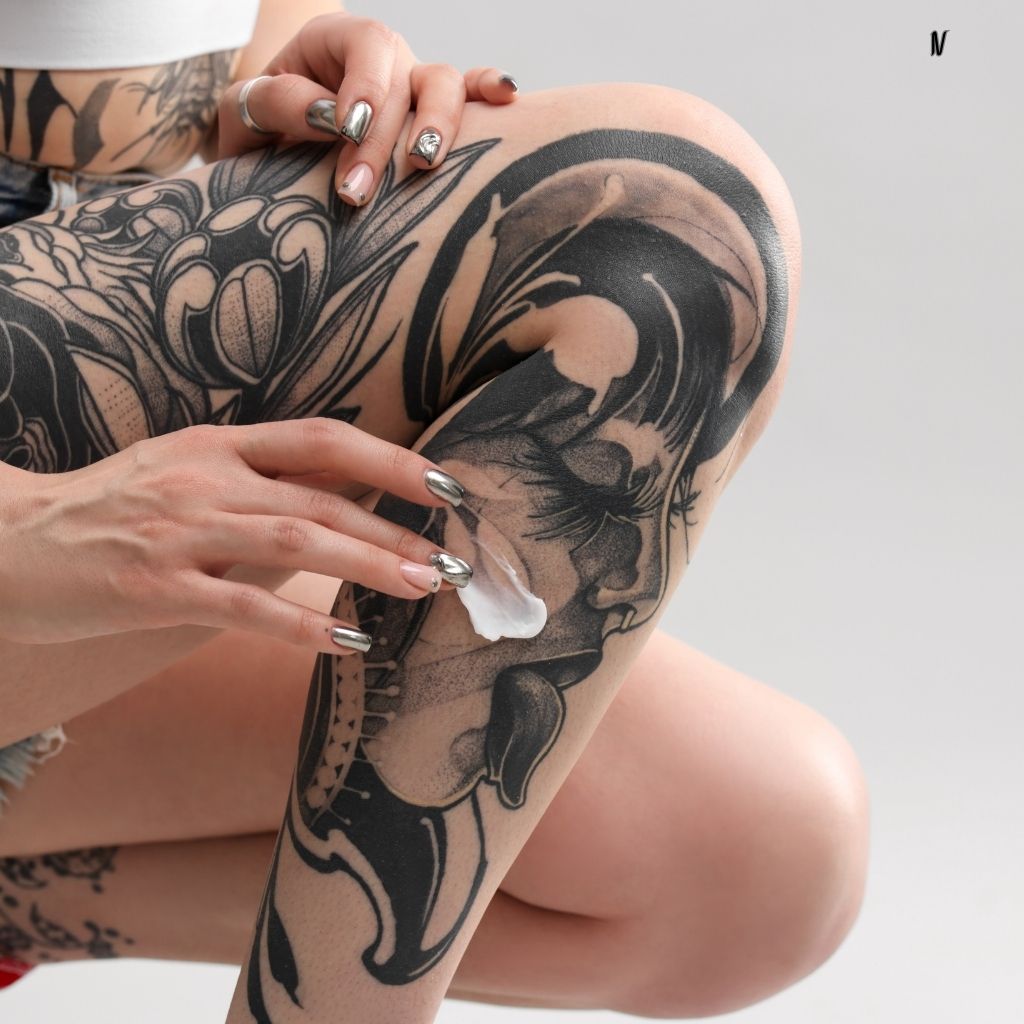
By this point, the tattoo should look mostly healed. The redness and swelling should have completely disappeared, and the outer skin should be fully repaired. However, the deeper layers of skin still need time to completely recover.
What to expect:
- Healed appearance: Your tattoo should appear brighter and sharper. Any scabs or flakes should be gone.
- Light texture changes: The tattoo may still feel a bit raised, but it should be firm to the touch.
- No more scabbing: At this point, the tattoo should be free of scabs, and the skin should no longer feel rough.
Aftercare tips:
- Hydrate and protect: Continue moisturizing to keep the skin hydrated and to maintain the tattoo’s vibrancy.
- Continue using sunscreen: Protect your tattoo from sun exposure to prevent fading and keep it sharp and vibrant.
Beyond 28 Days: Deep Healing
After about 28 days, your tattoo’s surface skin will have healed, but the deeper layers of skin (where the ink is held) continue to repair for a few more months. Even though the tattoo may look perfect on the surface, deeper healing continues.
What to expect:
- Healing continues beneath the skin: The deeper layers regenerate for up to 6 months.
- No more tenderness: By this stage, the tattoo should no longer feel sore or sensitive.
Aftercare tips:
- Sunscreen is a must: Long-term tattoo care includes applying it whenever you are in the sun to prevent fading.
- Regular moisturizing: Keep the tattooed area well moisturized to keep the skin healthy.
Common Tattoo Aftercare Mistakes to Avoid
Even though the tattoo healing process is straightforward, a few common mistakes can slow healing or affect the tattoo’s appearance:
- Picking at scabs: Scratching or picking can cause scarring and affect the design.
- Over-moisturizing: Applying too much ointment or lotion can clog pores and slow down healing.
- Exposing tattoos to sunlight: Exposure to UV rays during the healing process can cause fading and irritation.
- Submerging the tattoo in water: Avoid swimming, hot tubs, or prolonged exposure to water during the first few weeks.
Final Thoughts
Tattoo healing takes time and patience. Each stage of the process is necessary for ensuring that your tattoo heals properly and looks its best. Following proper aftercare guidelines, including gentle cleaning, moisturizing, and sun protection, will help preserve the vibrancy of your tattoo and prevent complications during healing.
While tattoos heal differently depending on the person and placement, understanding the process and recognizing what’s normal will help you manage expectations and properly care for your new artwork. By following aftercare instructions, you can ensure your tattoo remains a sharp, meaningful piece of art for years to come.