
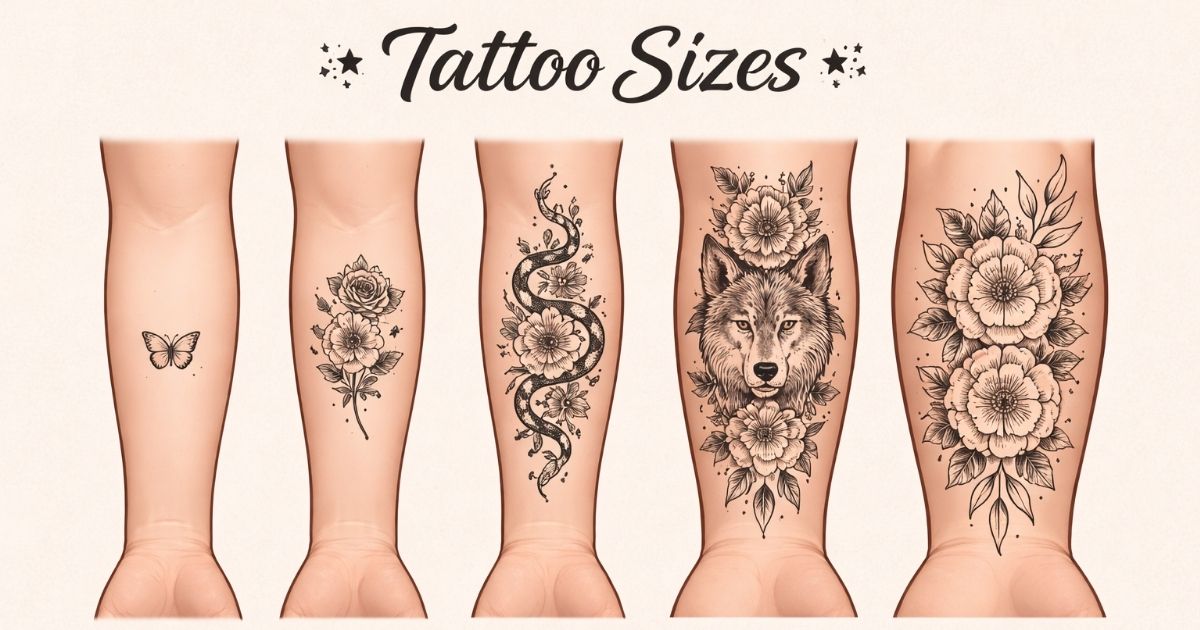
Choosing the size of your tattoo is one of the most important decisions you’ll make. It impacts how the design will appear on your body, how long the tattooing process will take, and how well the tattoo will hold up over time. Some people love the idea of a small, discreet tattoo, while others are drawn to larger pieces that make a bold statement.
The right size depends on several factors, including the design, placement, and how visible you want the tattoo to be. Finding the perfect size ensures that your tattoo will look great both now and in the future.
This guide will help you understand the benefits of small, medium, and large tattoos and provide tips for choosing the right size for your unique vision.
Why Tattoo Size Matters
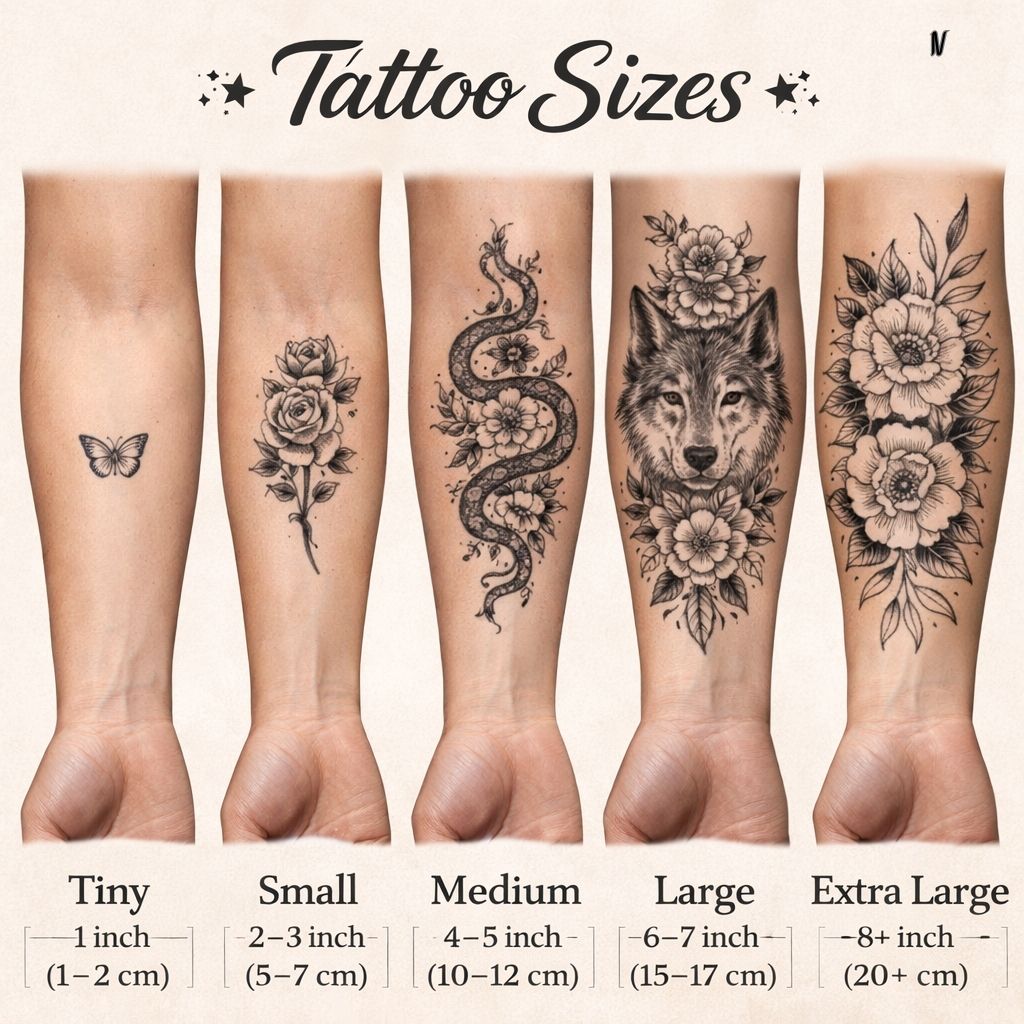
The size of your tattoo affects several key factors:
- Detail and clarity: Larger tattoos give the artist more room to include intricate details and finer lines. Smaller tattoos may need to be simplified to maintain clarity.
- Visibility: The tattoo’s size can impact how visible it is. Smaller tattoos can be placed in discreet areas, while larger tattoos often make a statement due to their size and visibility.
- Placement options: Larger tattoos require more space on the body, so the area chosen must accommodate the design. Smaller tattoos are more flexible and can be placed almost anywhere.
- Time and cost: Larger tattoos typically take longer to complete, which can increase both the cost and the time spent during the tattoo session.
Understanding how the size of your tattoo influences these factors helps you make a decision that aligns with your vision and lifestyle.
Small Tattoos: Simple, Subtle, and Personal
What Defines a Small Tattoo?
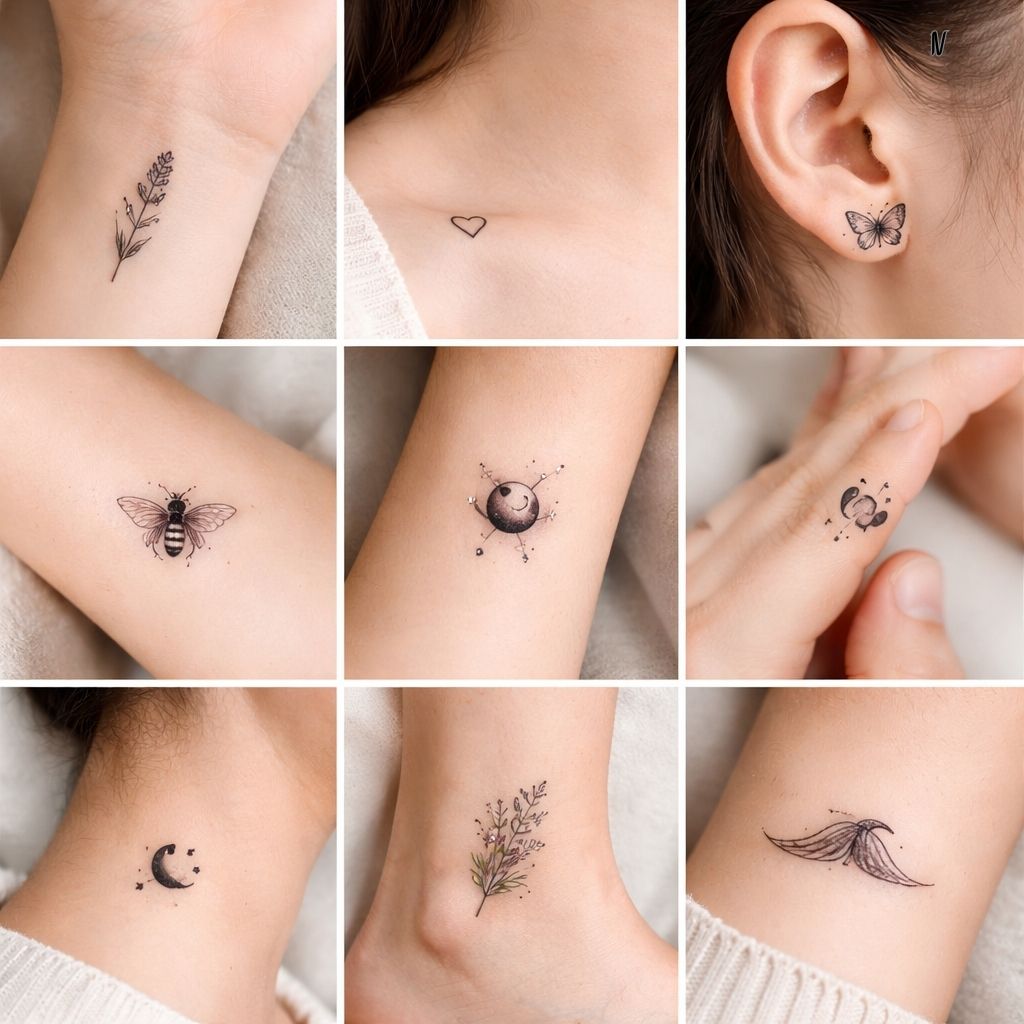
Small tattoos usually measure only a few centimeters across and tend to focus on simple designs, minimal detail, and clean lines. They’re often ideal for first tattoos or for people who prefer discreet body art.
Common small tattoo designs include:
- Small symbols like hearts, stars, or arrows
- Tiny animals or minimalist illustrations
- Short quotes or words
- Simple geometric shapes
Advantages of Small Tattoos
- Quick and easy sessions: Small tattoos take less time to complete, meaning the pain is usually more manageable, and the process is faster.
- Discreet: Small tattoos are easy to hide, making them perfect for people who want their tattoo to be personal or for professional environments where visible tattoos may not be accepted.
- Cost-effective: Since small tattoos take less time and require less ink, they are often less expensive than larger tattoos.
- Flexibility in placement: Small tattoos can fit on almost any part of the body, including wrists, ankles, behind the ear, or on the back of the neck.
Limitations of Small Tattoos
- Limited detail: Small tattoos cannot contain as much detail as larger designs. Intricate line work or shading may not be feasible.
- Fading: Small tattoos, particularly those with fine details, may fade faster due to natural skin changes, sun exposure, or the area they are placed on.
- Subtle impact: While some people love the discreet nature of small tattoos, others may feel that they don’t have enough visual impact, especially if they want their tattoo to be more of a statement piece.
Medium Tattoos: The Sweet Spot
What Defines a Medium Tattoo?
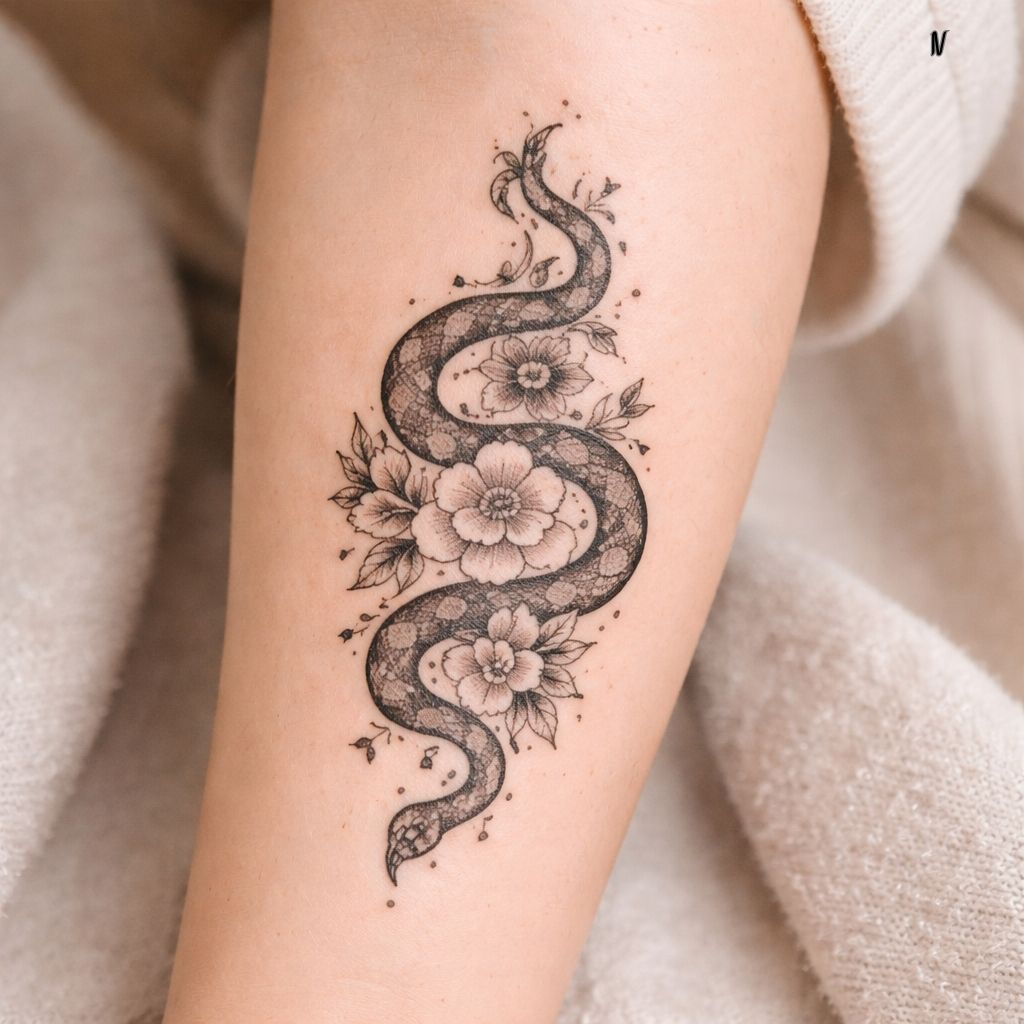
Medium tattoos are larger than small tattoos but not as big as full sleeves or back pieces. They often offer the perfect balance between visibility and subtlety, providing enough space for greater detail without feeling overwhelming.
Common medium tattoo designs include:
- Floral arrangements or nature-themed designs
- Larger animals or symbolic tattoos
- Minimalist geometric patterns
- Larger quotes or lettering with more detail
Advantages of Medium Tattoos
- More detail: With more space to work with, medium tattoos allow for more intricate designs, including shading, highlights, and texture.
- Balanced visibility: Medium tattoos strike a great balance between being noticeable but not too overwhelming. They are visible without taking up your entire body.
- Variety in placement: Medium tattoos can be placed on the upper arm, thigh, chest, or back without taking up the whole area. They work well in areas with natural contours, like the shoulder or side.
- Longer-lasting: Medium tattoos often hold up better over time than smaller designs, especially if placed on areas with less movement or friction.
Limitations of Medium Tattoos
- More time and cost: While medium tattoos are not as time-consuming as large ones, they still take longer to complete than small tattoos and come with a higher cost.
- Fewer discreet placement options: While still relatively flexible, medium tattoos are harder to hide compared to smaller designs.
Large Tattoos: Bold and Impactful
What Defines a Large Tattoo?
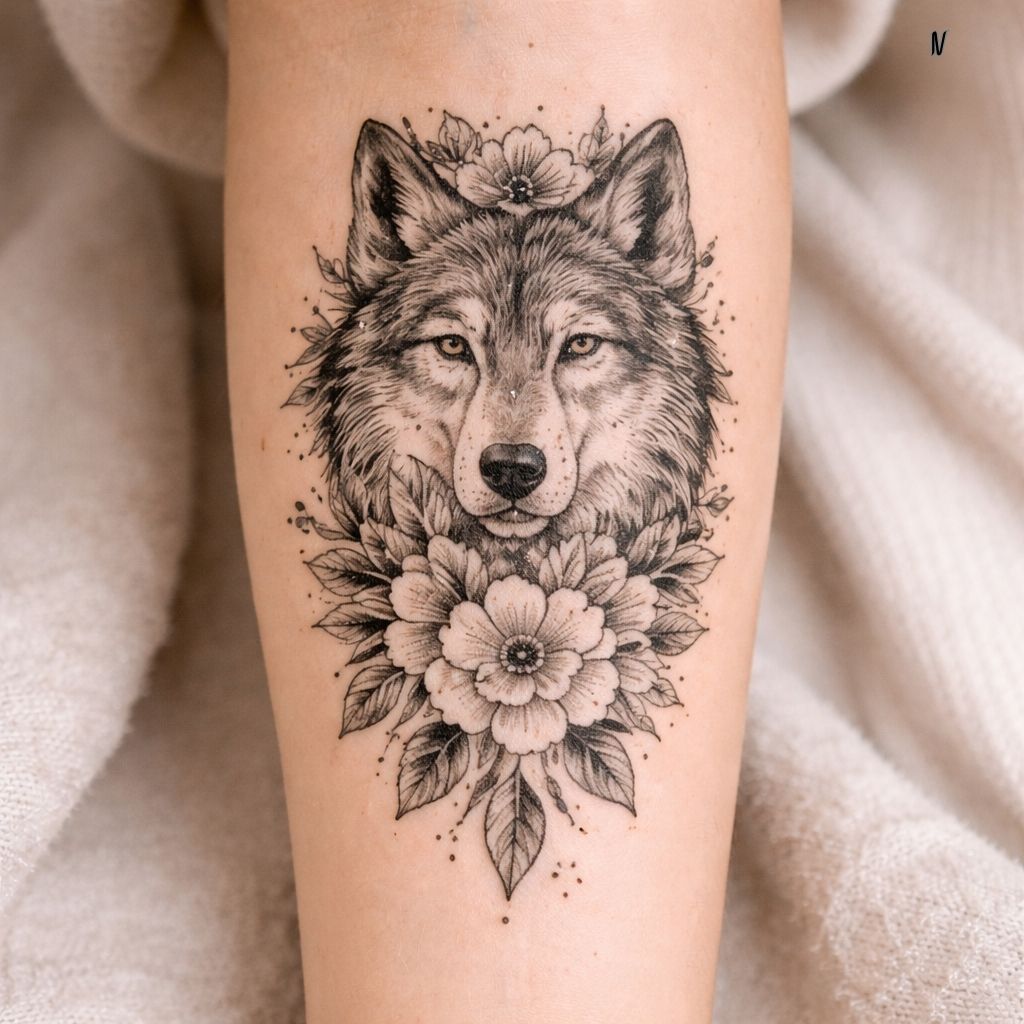
Large tattoos are designed to take up a significant portion of the body. These tattoos can cover entire arms, backs, legs, or thighs. They allow for highly detailed designs with a lot of space for creative freedom.
Common large tattoo designs include:
- Full sleeve tattoos (arms or legs)
- Large back pieces or chest designs
- Detailed portraits
- Full body pieces or large floral compositions
Advantages of Large Tattoos
- Incredible detail and complexity: Large tattoos provide the artist with the space to include a lot of detail, depth, and shading. These designs can be intricate and highly personalized.
- Bold visual impact: Large tattoos make a statement. They are often visually striking and impossible to ignore, which appeals to people who want their tattoos to be a focal point of their body art.
- Creative freedom: With more space, the possibilities for design are endless. Large tattoos can incorporate multiple elements, colors, and themes seamlessly.
Limitations of Large Tattoos
- Pain and discomfort: Large tattoos require longer sessions, which can be painful, especially in sensitive areas of the body.
- Higher cost: Larger tattoos come with a higher price tag due to the time, skill, and ink required to complete them.
- Longer healing time: Larger tattoos may take longer to heal, and they may require more aftercare attention to ensure proper healing.
- Limited placement options: Large tattoos require a large canvas, which limits the areas they can be placed. Some people may also be concerned about visibility, particularly for professional or social reasons.
Tattoo Size and Placement: How They Work Together
Choosing the right placement for your tattoo is just as important as choosing the right size. Some tattoo designs work better on certain areas of the body than others.
- Small tattoos: These work well on smaller, more discreet areas like the wrist, ankle, behind the ear, or on fingers.
- Medium tattoos: Medium tattoos are versatile and can be placed on areas like the forearm, upper arm, side, or thigh.
- Large tattoos: Large tattoos require more space, so they are often placed on areas like the back, chest, arms, or thighs. Full sleeve tattoos, back pieces, or large floral designs can create a cohesive and bold visual impact.
Consider your body’s natural lines and the way the tattoo will flow with your muscles and curves. An experienced tattoo artist can help you visualize how the design will look once placed on your body.
How to Choose the Right Tattoo Size for You
Choosing the right tattoo size depends on several factors, including the design, placement, and how visible you want the tattoo to be. Here are a few tips to help you decide:
- Consider the design: Some designs simply don’t work well at small sizes. Intricate designs need more space to maintain clarity. For larger, bolder designs, small tattoos may not capture the full impact.
- Think about long-term appeal: A tattoo that’s too small may fade or lose detail over time, while a large tattoo may require more commitment. Consider how the tattoo will fit into your lifestyle both now and in the future.
- Placement is key: Some areas of your body naturally lend themselves to certain sizes. For example, the upper arm is great for medium to large designs, while the wrist or ankle is better for smaller tattoos.
- Comfort and pain tolerance: If you’re not sure about the pain or discomfort, consider starting with a smaller tattoo. Large tattoos require longer sessions, which can be taxing on your body.
Frequently Asked Questions
How do I know what size tattoo to get?
The best way to decide is to consider both the design and the placement. Some designs work better on larger canvases, while others are more suited to smaller, more delicate areas. Consult with your tattoo artist to figure out what works best for your vision.
Does tattoo size affect pain levels?
Yes. Larger tattoos often take longer to complete and require more time spent in the chair, which may result in more discomfort. However, pain is subjective and varies based on the placement and your personal pain tolerance.
Can I start with a small tattoo and expand it later?
Yes, many people start with a small tattoo and later expand it into a larger design, such as a sleeve or back piece. A skilled tattoo artist can help integrate your existing tattoo into a larger design as you expand your collection.
How much does a large tattoo cost?
Tattoo pricing depends on the size, complexity, and location of the tattoo. Larger tattoos generally cost more because they take more time and ink to complete. Make sure to discuss pricing with your artist before starting your session.
Final Thoughts
Choosing the right tattoo size is an important part of the tattoo process. Whether you go for a small, subtle design, a medium-sized tattoo with more detail, or a large statement piece, it’s important to pick a size that suits your design, body, and lifestyle.
A well-chosen tattoo size ensures your tattoo will look great both immediately after the session and many years later. Take your time, consult with an experienced artist, and make sure that the tattoo size you choose matches both your vision and your body.