
Getting your first tattoo is exciting. It can also feel surprisingly overwhelming. With thousands of designs, styles, and placements to consider, many beginners worry about making the wrong decision. A tattoo is permanent body art, so choosing carefully matters more than simply picking something that looks trendy in the moment.
The good news is that finding the right tattoo does not have to be stressful. With a little research and thoughtful planning, you can select a design that reflects your personality and still feels meaningful years from now. Your first tattoo should feel intentional rather than rushed.
This guide walks you through everything beginners need to know before getting inked. You will learn how to choose the right tattoo design, which placements work best for first tattoos, how to find a reliable tattoo artist, and the most common mistakes people make before their first appointment.
Why Your First Tattoo Matters
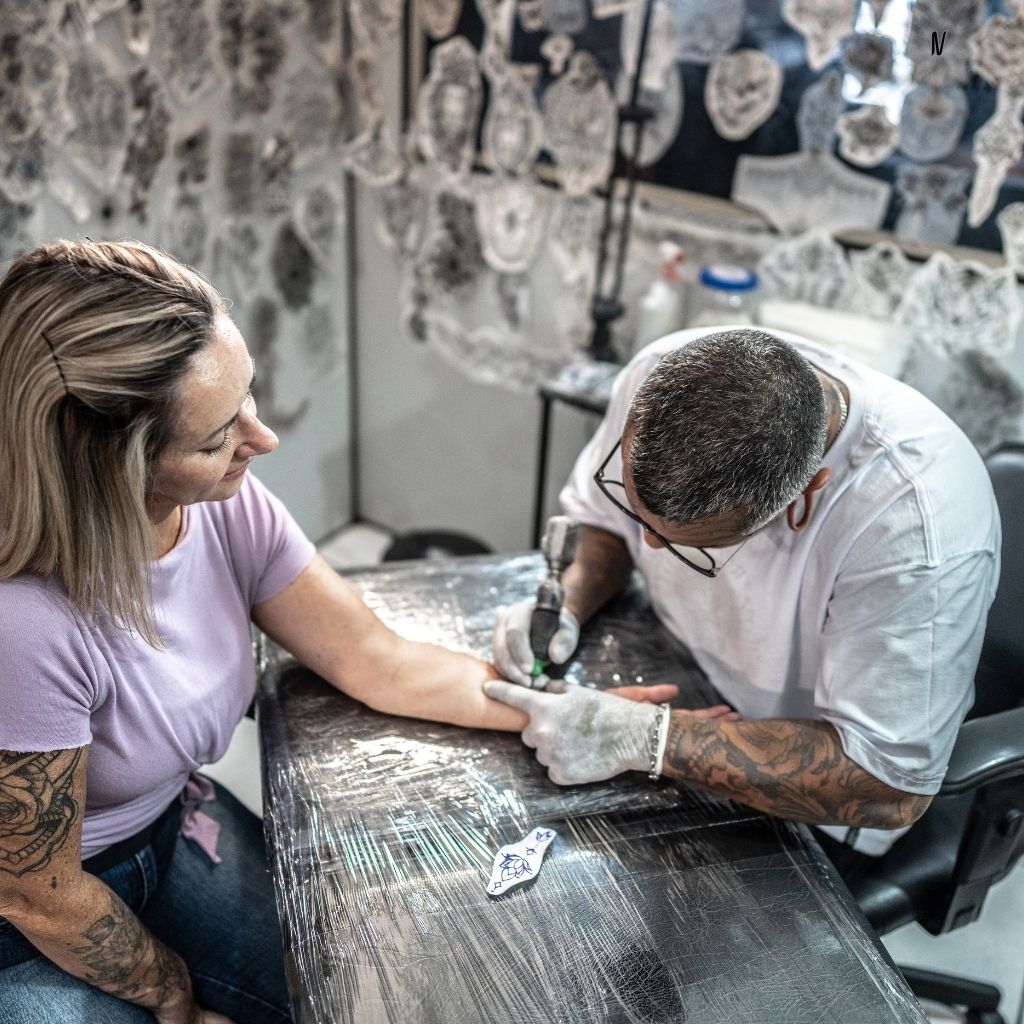
A first tattoo often carries emotional significance. For many people, it represents independence, personal growth, or an important life moment. Even when the design is simple, the experience itself tends to become a memorable milestone.
Because tattoos are permanent, thoughtful planning is important. Designs that feel exciting today should still feel comfortable years later. Trends change quickly, but tattoos connected to personal meaning usually age much better.
Your first tattoo is also an introduction to the tattoo process. It teaches you how your body reacts to tattooing, how healing works, and which designs you might want in the future. A well-planned first tattoo can turn the entire experience into something positive rather than stressful.
How to Find a Tattoo Design That Feels Personal
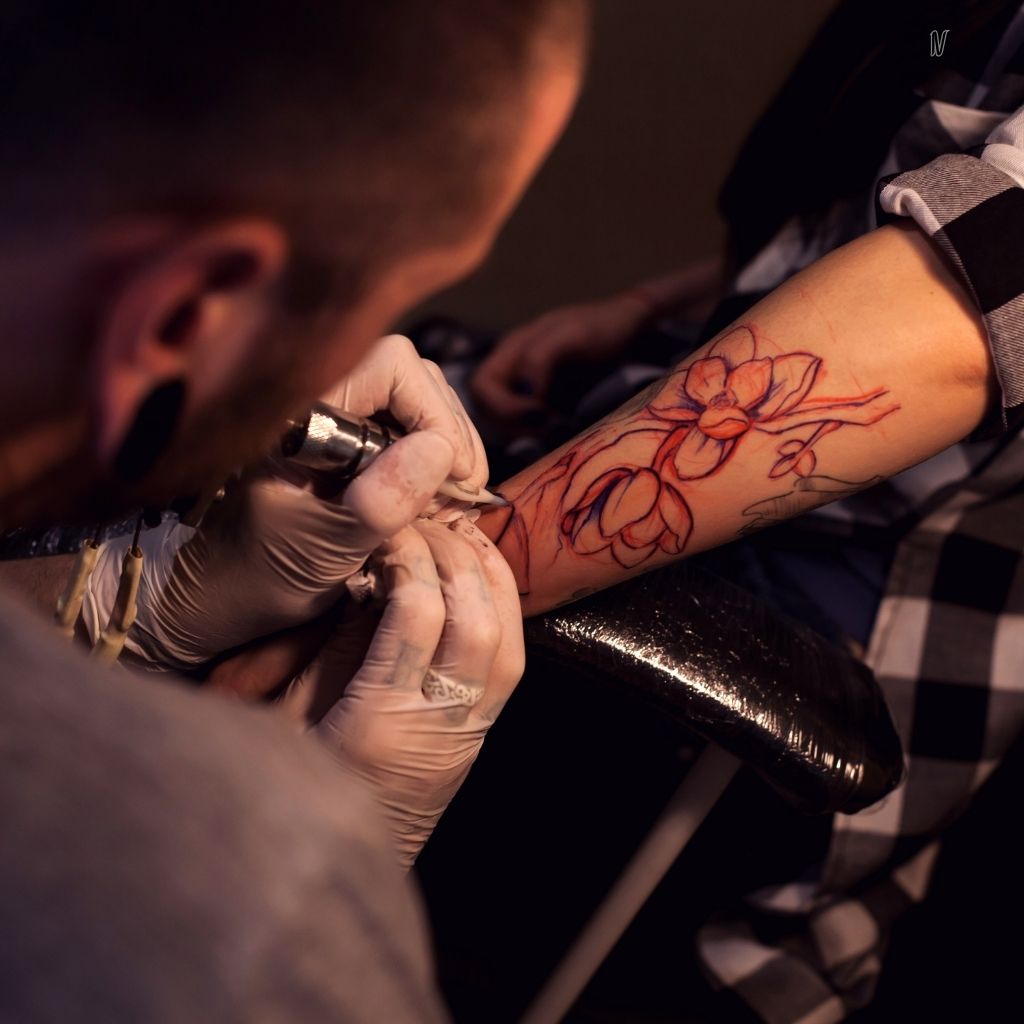
Choosing a design is often the most difficult part of getting a first tattoo. Many beginners spend weeks browsing ideas before discovering something that truly resonates with them.
A good starting point is thinking about what matters to you personally. Many people draw inspiration from:
- meaningful memories
- personal values or beliefs
- favorite symbols
- cultural influences
- important dates or milestones
Nature themes are also extremely popular for first tattoos. Flowers, waves, moons, or mountains often represent growth, change, or inner strength.
One helpful strategy is to save tattoo ideas for several weeks before making a decision. If you still like a design after seeing it repeatedly over time, it is much more likely to be something you will appreciate long-term.
Avoid choosing a design only because it is trending on social media. Trends fade quickly, while personal meaning tends to last.
Questions to Ask Yourself Before Getting Your First Tattoo
Before booking your tattoo appointment, it helps to ask yourself a few honest questions. These questions can prevent many common regrets.
Consider asking yourself:
- Will this design still feel meaningful in ten years?
- Am I choosing this tattoo for myself, or is it popular?
- Does the placement fit my lifestyle or career?
- Am I comfortable with the visibility of this tattoo?
- Have I researched tattoo artists who specialize in this style?
Taking time to answer these questions helps you make a more confident decision.
Popular First Tattoo Styles
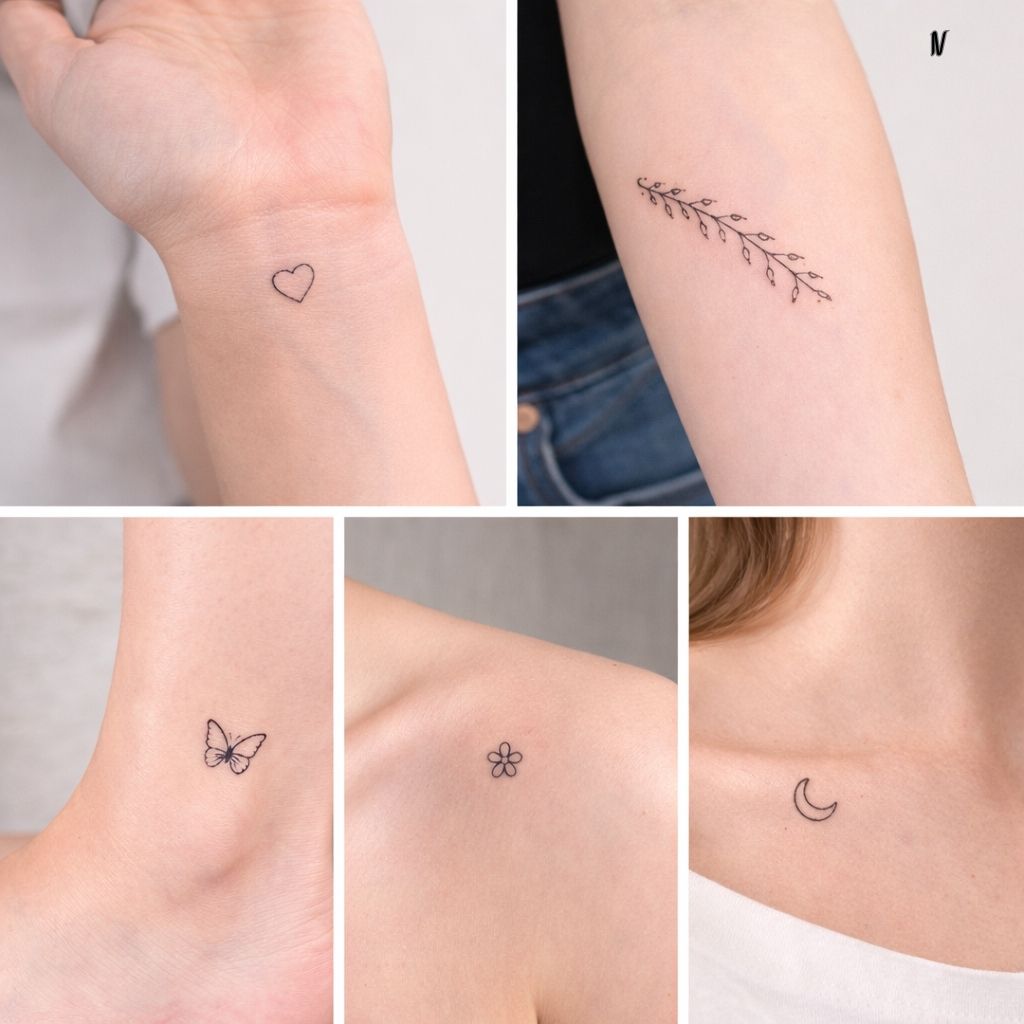
Some tattoo styles are especially popular for beginners because they are versatile and easy to adapt to different placements.
Minimalist Tattoos
Minimalist tattoos use simple shapes and clean lines. These designs are often small and subtle, making them perfect for people who prefer understated body art. Because minimalist tattoos focus on simplicity, they often age well when executed by an experienced artist.
Fine Line Tattoos
Fine line tattoos are created using extremely thin lines. They are commonly used for delicate illustrations, small symbols, and tiny lettering. This style has become very popular in recent years, especially among first-time tattoo clients.
Because the lines are so thin, choosing a tattoo artist with strong fine-line experience is important.
Script Tattoos
Script tattoos feature words, quotes, or meaningful phrases. A single word written in elegant lettering can carry powerful meaning. Script tattoos work well on areas like the forearm, collarbone, or ribcage.
Symbolic Tattoos
Many beginners choose symbols such as stars, arrows, butterflies, or hearts. Symbolic tattoos are easy to personalize and can represent emotions, memories, or life values.
Tattoo Placement Guide for Beginners
Placement plays a major role in both the appearance of a tattoo and the experience of getting it. Some areas are more visible, while others are easier to conceal.
Popular placements for first tattoos include:
- wrist
- forearm
- ankle
- shoulder
- collarbone
These areas provide enough space for clear designs while still allowing flexibility if you prefer a subtle tattoo.
Another factor to consider is how tattoos age over time. Areas with less stretching or friction tend to maintain tattoo clarity longer. Upper arms and shoulders usually age well, while fingers and hands may fade faster.
Tattoo Pain Levels by Body Area
Pain tolerance varies from person to person, but some areas of the body tend to be more sensitive than others.
Least painful areas
- upper arm
- thigh
- forearm
- calf
These areas usually have more muscle and padding, which can reduce discomfort.
Moderate pain areas
- shoulder
- ankle
- collarbone
- wrist
These areas have thinner skin, but the discomfort is still manageable for most people.
Most painful areas
- ribs
- spine
- feet
- hands
These areas contain many nerve endings and less muscle. Beginners often choose less sensitive placements for their first tattoo.
How Big Should Your First Tattoo Be?
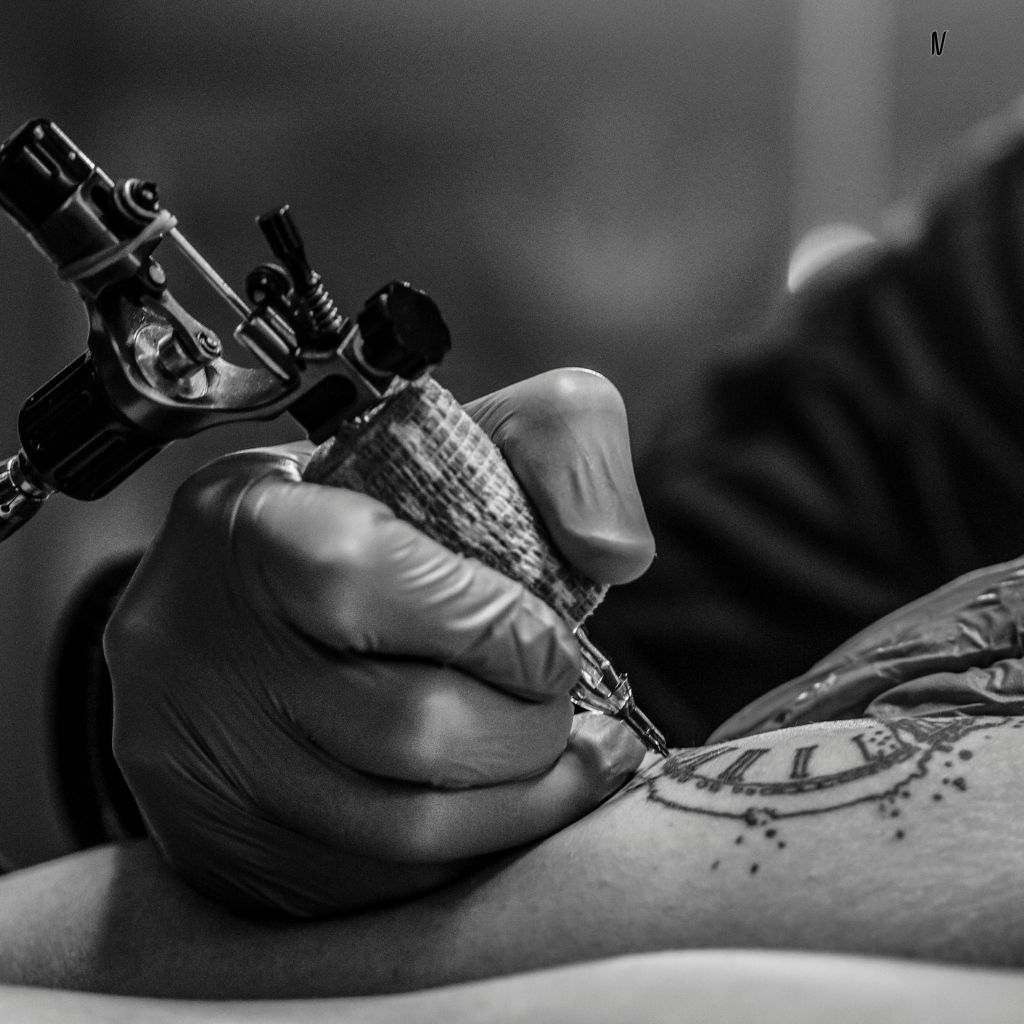
Many people assume their first tattoo should be extremely small. While small tattoos are common, size should match the level of detail in the design.
Very tiny tattoos can lose detail over time if the design is too complex. Slightly larger tattoos often allow the artist to create cleaner lines and clearer shapes.
When deciding on size, consider:
- the complexity of the design
- the placement area
- how visible you want the tattoo to be
Your tattoo artist can also recommend the best size for maintaining design quality.
How to Find a Good Tattoo Artist
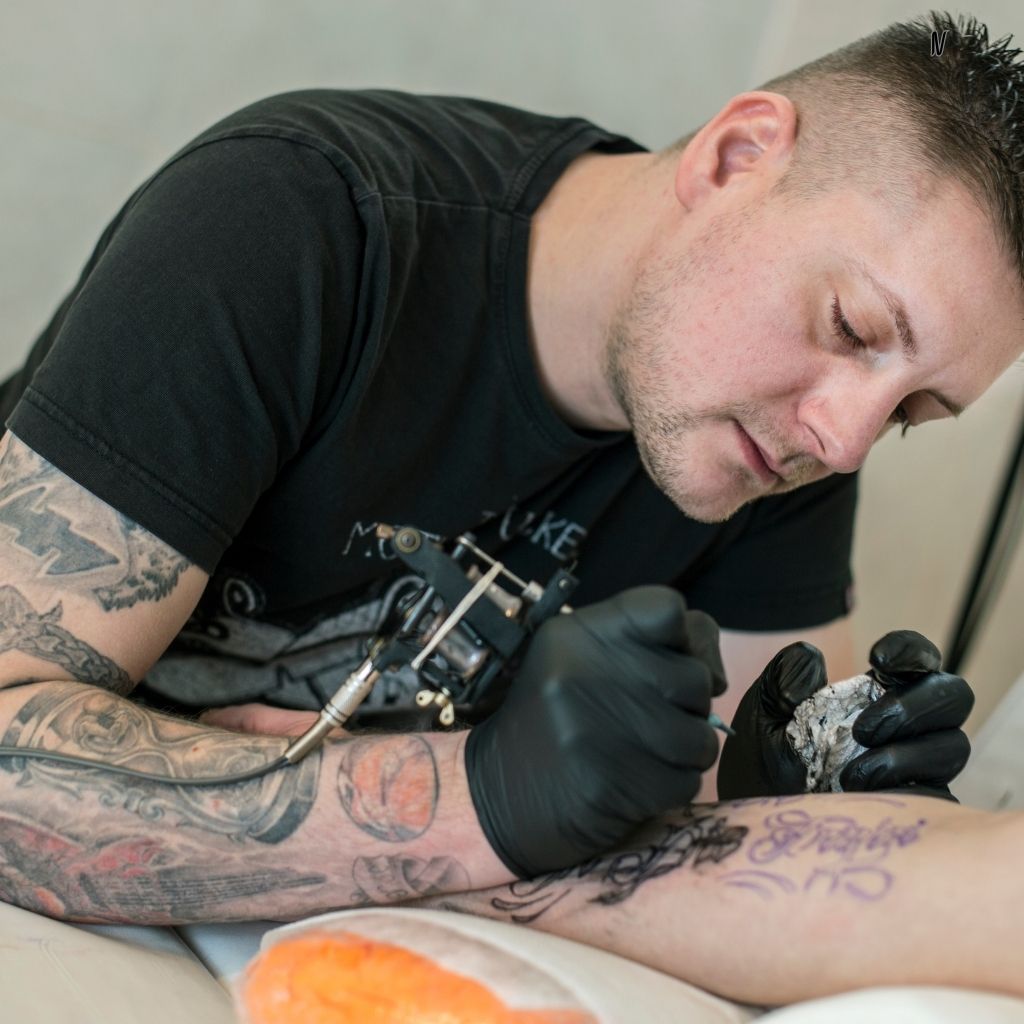
Choosing the right tattoo artist is one of the most important decisions in the process. Even a great design can look disappointing if it is done by someone without the right experience.
Study artist portfolios
Most tattoo artists display their work online. Look closely at:
- line precision
- shading quality
- healed tattoo photos
- designs similar to your idea
If you want a fine line tattoo, choose an artist who specializes in that style.
Check studio reputation
Cleanliness and professionalism are essential in tattoo studios. Reading reviews and visiting the studio in person can help you feel more confident before booking.
Ask questions before committing
A professional artist will gladly answer questions about the process. Topics you may want to discuss include:
- placement suggestions
- design adjustments
- expected healing time
- pricing and appointment length
Preparing for Your First Tattoo Appointment
A little preparation can make the tattoo session much more comfortable.
Get enough sleep
Being well rested helps your body manage discomfort better.
Eat before your appointment
Low blood sugar can make you feel dizzy during a tattoo session. A balanced meal beforehand helps maintain energy levels.
Wear comfortable clothing
Choose clothing that allows easy access to the tattoo area.
Avoid alcohol beforehand
Alcohol can thin your blood and increase bleeding during tattooing.
Tips Professional Tattoo Artists Often Recommend
Tattoo artists often share similar advice with first-time clients.
Many recommend starting with a design that is simple and meaningful rather than overly complex. Simpler designs often age better and provide a smoother first tattoo experience.
Artists also suggest researching studios carefully before booking. Looking at healed tattoos in portfolios can reveal much more about an artist’s skill than freshly completed tattoos.
Finally, patience is essential. Taking time to plan your design and placement helps ensure you will feel satisfied with your tattoo long after the appointment.
Basic Tattoo Aftercare Tips
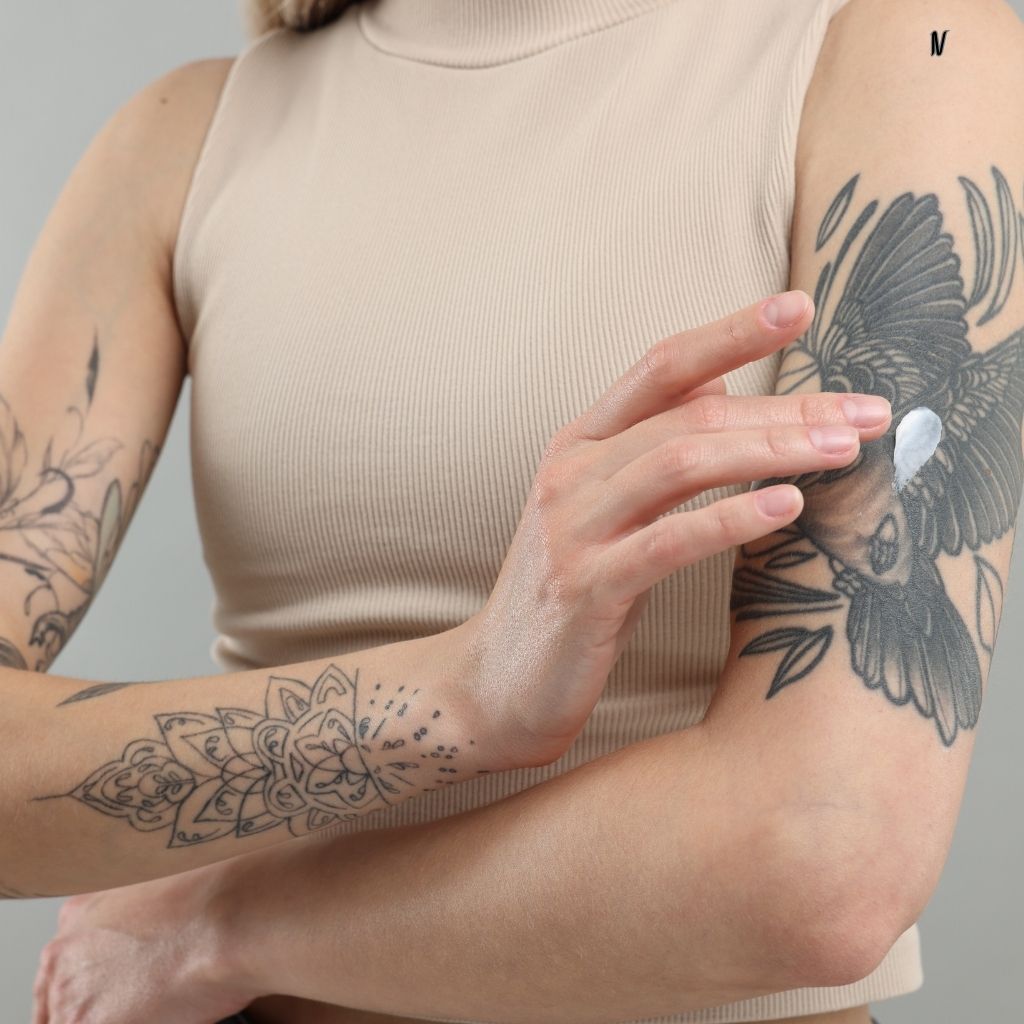
Proper aftercare helps your tattoo heal correctly and maintain its appearance.
Most artists recommend:
- keeping the tattoo clean
- applying a gentle fragrance-free moisturizer
- avoiding sun exposure during healing
- avoiding swimming or soaking the tattoo for several weeks
Healing usually takes two to four weeks, depending on the size of the tattoo and your skin type.
Long-term care also matters. Applying sunscreen to tattooed skin helps prevent fading and keeps colors vibrant for many years.
Frequently Asked Questions
Does getting a tattoo hurt?
Some discomfort is normal, but most people describe the sensation as manageable. Pain levels depend on placement and individual tolerance.
How long does a tattoo take to heal?
Surface healing typically takes two to four weeks, though deeper layers of skin continue healing for a longer period.
How much does a first tattoo usually cost?
Prices vary depending on size, placement, and the artist’s experience. Small tattoos may start around $80–$150, while larger designs cost more.
Can I bring my own tattoo design?
Yes. Many tattoo artists are happy to work with client ideas and customize them for better results.
Will my tattoo fade over time?
All tattoos fade gradually, but proper skincare and sun protection can slow the fading process significantly.
Final Thoughts
Choosing your first tattoo should never feel rushed. Taking time to explore designs, understand placement options, and research experienced artists can make the entire experience far more rewarding.
A thoughtful tattoo becomes more than decoration. It becomes a piece of art that reflects your personality and life story. When chosen carefully and executed by a skilled artist, your first tattoo can remain something you are proud to wear for many years.