
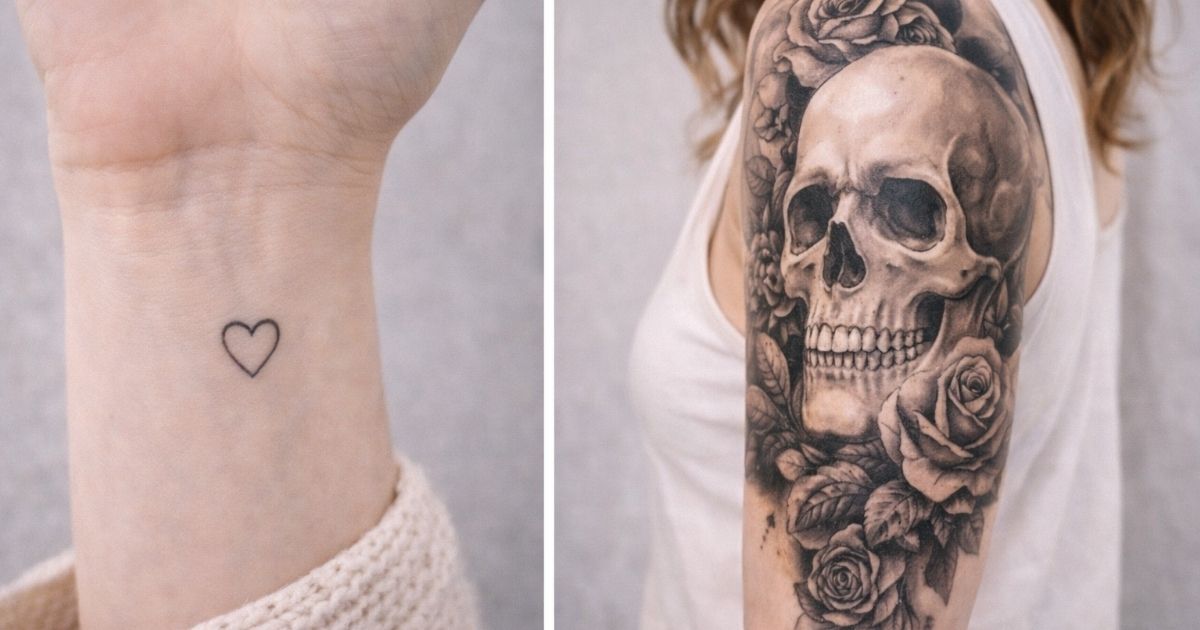
When planning a tattoo, one of the first decisions people face is size. Some designs work beautifully as small, subtle tattoos, while others require a larger canvas to show their full detail. Choosing between a small tattoo and a large one can influence not only the final appearance but also the tattoo experience itself.
Size affects many aspects of a tattoo, including the level of detail, the amount of time required for the session, the visibility of the design, and even how the tattoo ages over time. Some people prefer the simplicity of a small tattoo that feels discreet and personal. Others enjoy the impact of a larger piece that turns the body into a canvas for detailed artwork.
Understanding the advantages and limitations of both options can help you decide which size fits your design idea and lifestyle best.
What Defines a Small Tattoo?
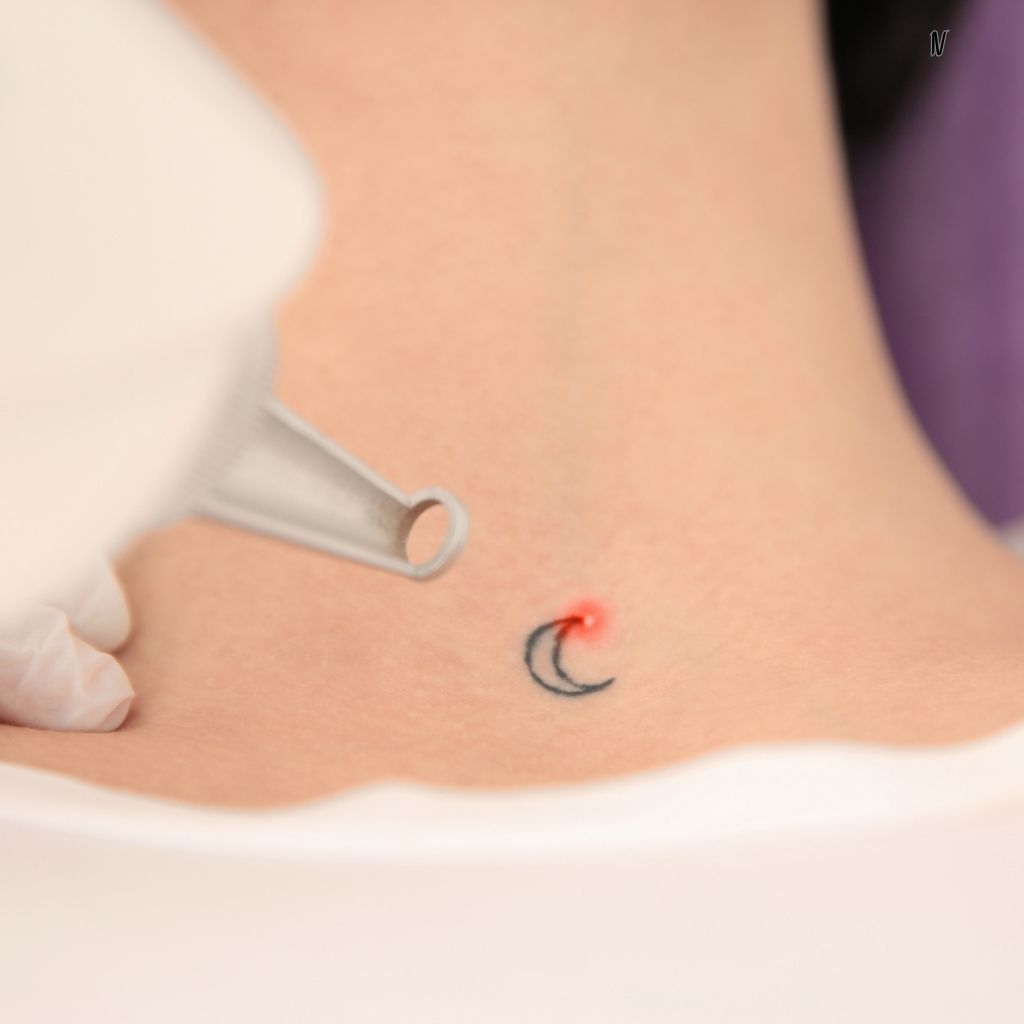
Small tattoos usually measure only a few centimeters across and often feature simple designs. They tend to use clean lines and minimal shading to keep the artwork clear, even in limited space.
Popular examples of small tattoos include:
- tiny symbols
- minimalist animals
- small hearts or stars
- initials or short words
- simple geometric shapes
Small tattoos are often chosen for first tattoos because they feel less intimidating and usually require shorter tattoo sessions.
Advantages of Small Tattoos
Small tattoos offer several practical benefits, especially for people who prefer subtle body art.
Quick tattoo sessions
Because the design is small, the tattoo process typically takes less time. Many small tattoos can be completed within one session that lasts under an hour.
Subtle and discreet
Small tattoos can easily be placed in areas that are less visible, making them easier to hide if necessary.
Lower cost
Smaller tattoos usually cost less than larger designs, although prices still depend on the artist’s experience and the complexity of the design.
Good for minimalist designs
Simple symbols and delicate artwork often look elegant when kept small.
Limitations of Small Tattoos
Despite their popularity, small tattoos also have certain limitations.
Limited detail
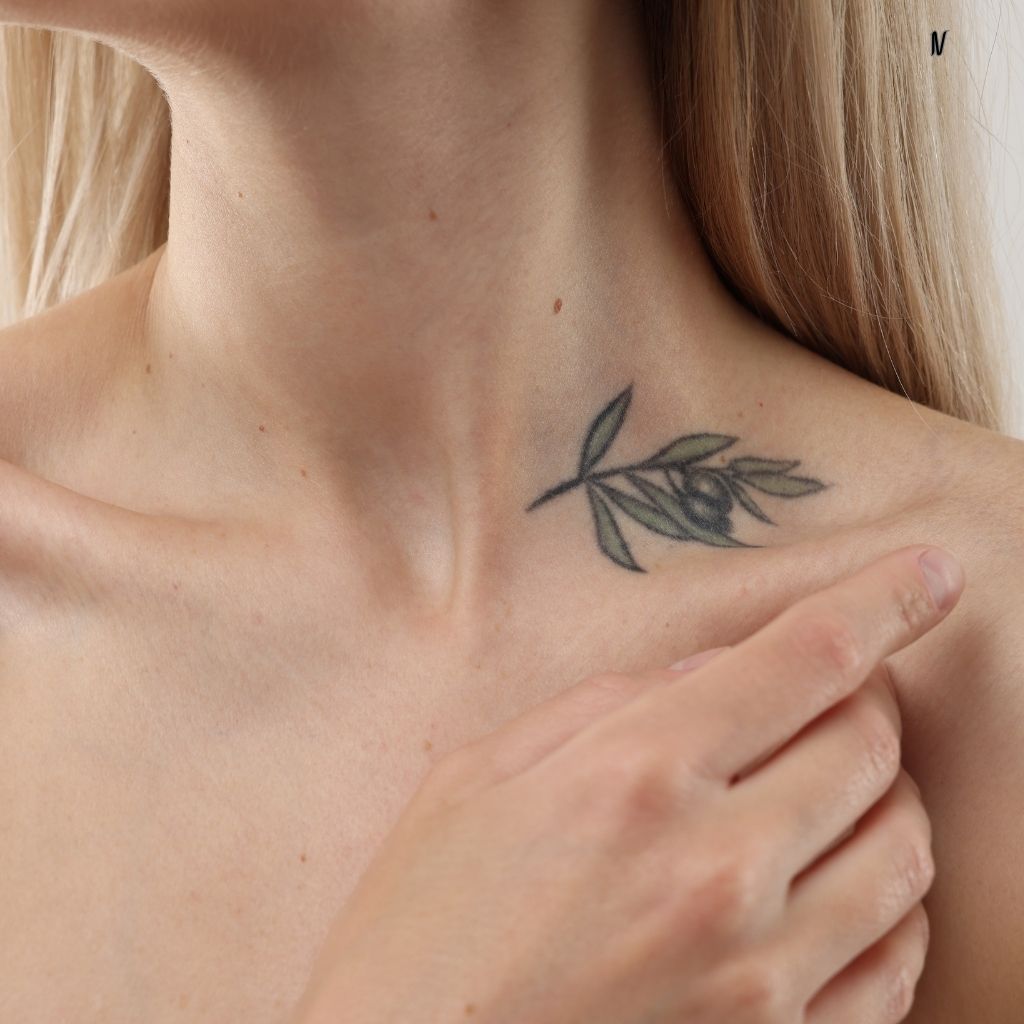
Very small designs cannot include intricate details. If a design becomes too detailed for its size, the lines may blur together over time.
Faster fading in some areas
Small tattoos placed on areas of frequent movement, such as the fingers or wrists, may fade more quickly.
Less visual impact
While subtle tattoos are appealing to some people, others may feel that small tattoos do not provide enough artistic presence.
What Defines a Large Tattoo?
Large tattoos cover more body surface area and often feature complex designs. These tattoos may extend across the upper arm, back, thigh, or chest.
Large tattoos often include elements like:
- detailed portraits
- large floral compositions
- full sleeve designs
- intricate animals or mythological imagery
- complex geometric patterns
Because they offer more space for artistic expression, large tattoos often showcase the tattoo artist’s technical skills.
Advantages of Large Tattoos
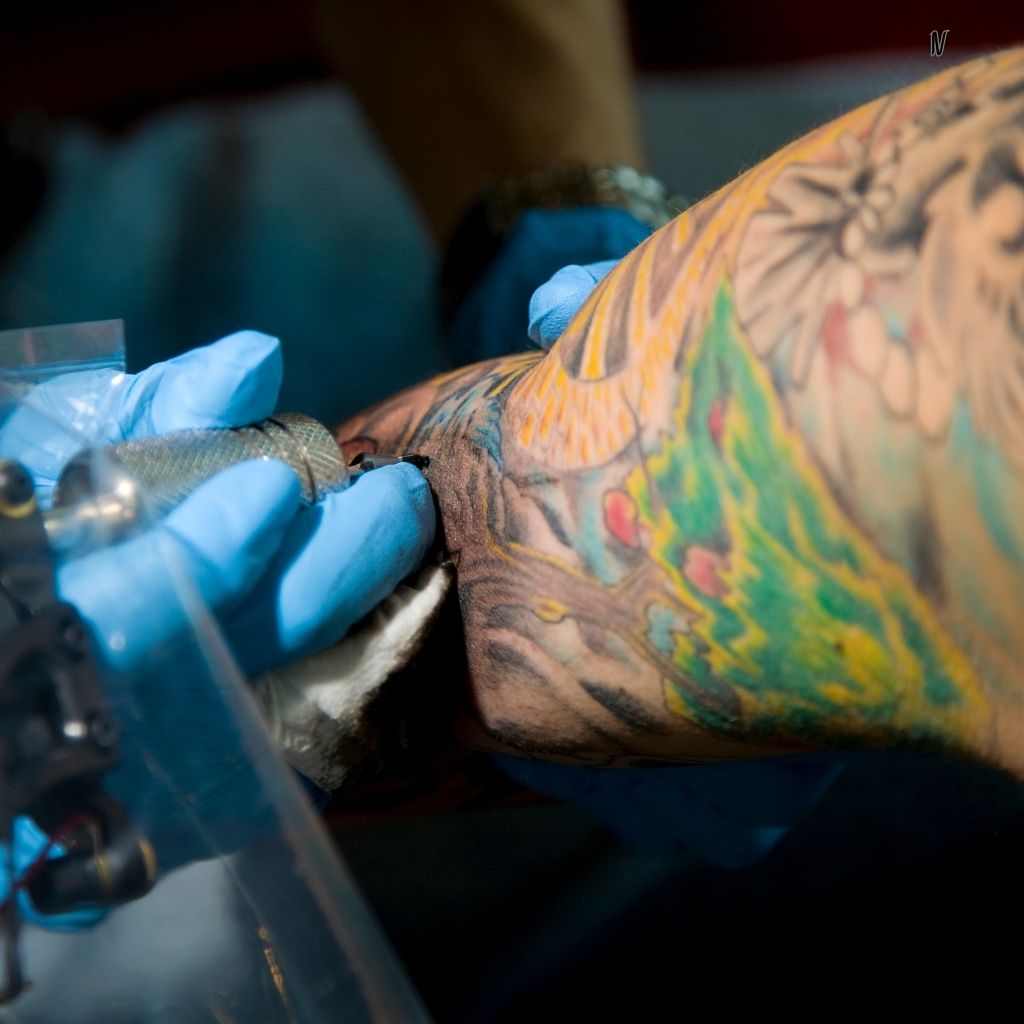
Large tattoos provide several artistic advantages.
Greater detail
More space allows artists to include shading, textures, and fine details that would not fit in a smaller design.
Strong visual impact
Large tattoos can become statement pieces that attract attention and showcase intricate artwork.
Better aging potential
Designs with larger elements and spacing often maintain clarity longer as the skin changes over time.
Opportunity for storytelling
Large tattoos allow artists to create compositions that tell a visual story or combine multiple elements.
Limitations of Large Tattoos
Large tattoos require greater commitment and preparation.
Longer sessions
Large tattoos often require multiple sessions that can last several hours each.
Higher cost
Because they take more time and skill to create, large tattoos generally cost more than smaller ones.
Increased healing time
Larger tattoos may take longer to heal and require careful aftercare.
Greater visibility
Large tattoos are more difficult to conceal, which may be an important consideration depending on your lifestyle.
Pain Differences Between Small and Large Tattoos
Pain perception varies widely between individuals, but tattoo size can influence the overall experience.
Small tattoos usually involve shorter sessions, which can make the process easier to tolerate. However, placement still plays a major role in pain levels.
Large tattoos may require multiple sessions, which means the skin experiences repeated tattooing. While each session may be manageable, the cumulative time spent tattooing can feel more demanding.
Many people find that choosing a comfortable body area for larger tattoos helps balance the longer sessions.
Which Tattoo Size Ages Better?
Tattoo aging depends on several factors, including design spacing, ink quality, and skin care.
Large tattoos often age well because their designs include larger shapes and more spacing between lines. This allows the artwork to remain clear even as the skin changes over time.
Small tattoos can also age well when the design remains simple and uncluttered. Problems usually occur when very detailed artwork is reduced to an extremely small size.
Choosing a skilled tattoo artist is one of the best ways to ensure that your tattoo ages well, regardless of size.
Lifestyle Considerations

Lifestyle can influence whether a small or large tattoo feels more suitable.
Small tattoos are often easier to conceal and may feel more appropriate for people who prefer subtle body art. They also allow flexibility for future tattoos without dominating the body.
Large tattoos appeal to people who enjoy expressive artwork and want their tattoos to be a visible part of their identity.
Considering work environments, personal style, and long-term goals can help guide the decision.
Questions to Ask Before Choosing Tattoo Size
Before deciding on the size of your tattoo, it may help to ask yourself a few questions.
- Does my design require space for detail?
- Do I want the tattoo to be subtle or noticeable?
- Am I comfortable with longer tattoo sessions?
- Will the placement allow the design to breathe and remain clear over time?
Answering these questions can clarify which size better suits your vision.
Frequently Asked Questions
Is a small tattoo better for a first tattoo?
Many beginners choose small tattoos because the sessions are shorter and less intimidating.
Do large tattoos hurt more than small tattoos?
Pain depends more on placement than size, but longer sessions for large tattoos can feel more physically demanding.
Can small tattoos be expanded later?
Yes. Some small tattoos can be incorporated into larger designs in the future.
Do larger tattoos fade less?
Large tattoos with bold lines and good spacing often maintain clarity longer.
Choosing the Tattoo Size That Fits You
There is no universal answer to whether small or large tattoos are better. The right choice depends on your design idea, your comfort level, and how you want the tattoo to appear on your body.
Small tattoos offer subtlety and simplicity, while large tattoos provide space for artistic detail and visual impact. Taking time to consider your goals, lifestyle, and design preferences will help you choose a tattoo size that feels right both now and in the future.