
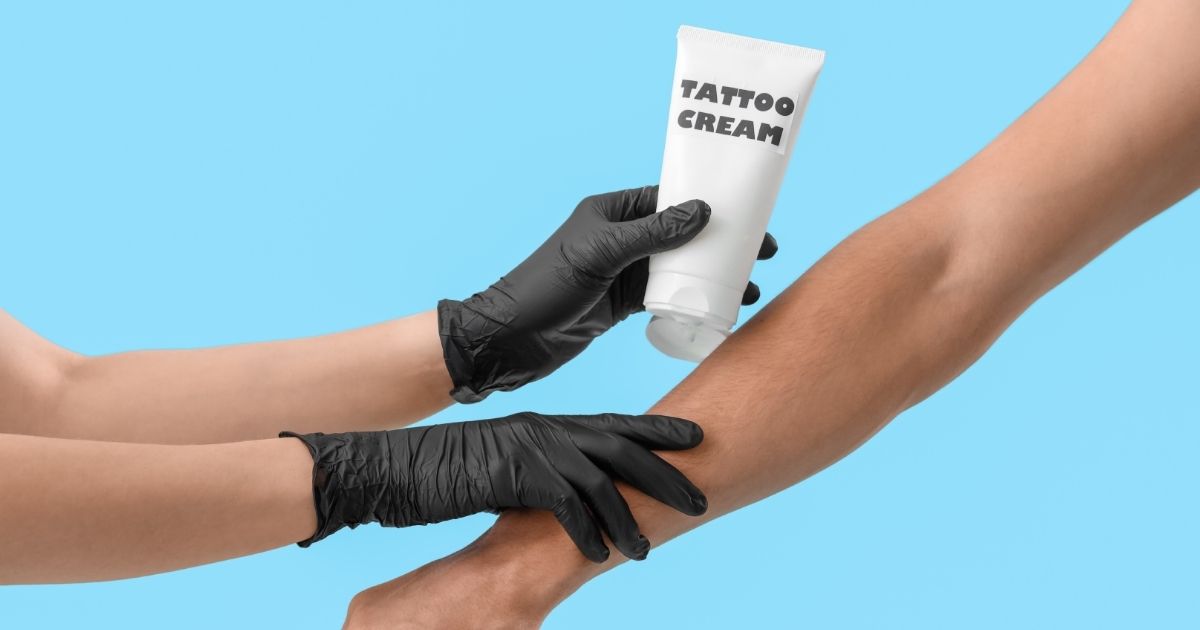
Getting a tattoo is an exciting experience, but the process does not end when the tattoo session is finished. Proper aftercare plays a major role in how well your tattoo heals and how vibrant it looks in the long term. A well-healed tattoo maintains clear lines, strong color, and healthy skin around the design.
Many first-time tattoo clients underestimate the importance of aftercare. A tattoo is essentially a controlled skin injury, and the healing process requires careful attention during the first few weeks. Simple habits such as gentle cleaning, proper moisturizing, and avoiding irritation can make a significant difference in the final result.
This guide explains how tattoo healing works, what you should do in each stage of recovery, and which mistakes can interfere with proper healing.
Why Tattoo Aftercare Matters
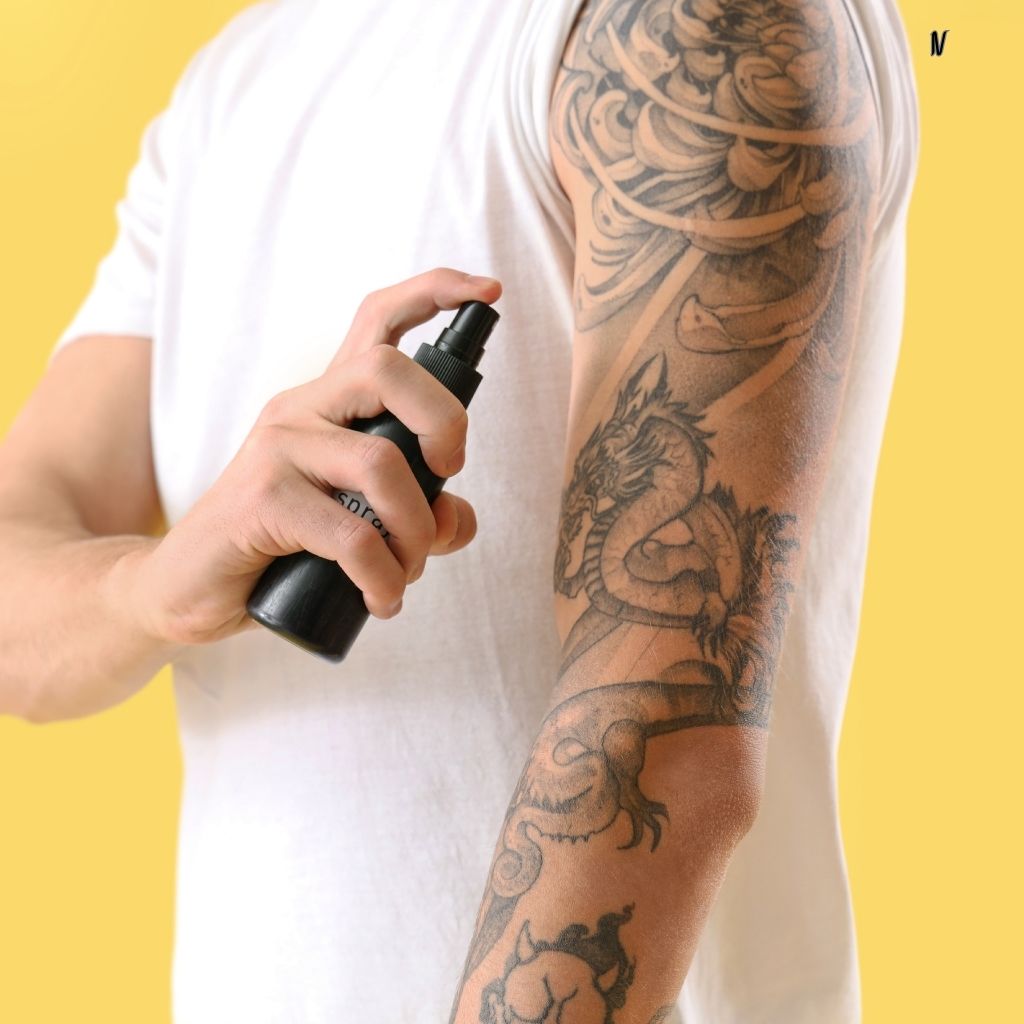
During the tattoo process, a needle repeatedly deposits ink into the dermis, the layer of skin beneath the surface. This creates thousands of tiny punctures in the skin, which triggers the body’s natural healing response.
Without proper care, the healing process can become complicated. Poor aftercare may lead to faded ink, blurred lines, or even infection. Taking a few simple precautions helps protect the tattoo while the skin repairs itself.
Healthy healing ensures that the tattoo retains its intended appearance. It also prevents irritation and discomfort during the recovery period.
What Happens After Getting a Tattoo
Understanding how the skin heals helps you care for your tattoo more effectively.
Immediately after a tattoo session, the area may appear red, swollen, or slightly warm. This is a normal inflammatory response as the body begins repairing the skin.
Over the following days, the skin forms a protective layer while beginning to regenerate. During this time, the tattoo may look darker or slightly dull due to the healing process.
Within a few weeks, the outer skin layer repairs itself, and the tattoo begins to settle into its final appearance.
Tattoo Healing Timeline
Although everyone heals at a slightly different pace, most tattoos follow a similar recovery pattern.
First 24 Hours
Your tattoo artist will usually apply a protective covering to keep the area clean. During this stage, the tattoo may release small amounts of plasma or ink. This is normal.
After several hours, the covering should be removed and the tattoo gently washed with lukewarm water and mild soap.
Pat the area dry with a clean towel rather than rubbing the skin.
Days 2–5
During the next few days, the tattoo may feel slightly tender or tight. Light moisturizer helps prevent excessive dryness.
Wash the tattoo gently once or twice a day using mild soap and clean water. Keeping the tattoo clean helps reduce the risk of irritation.
Avoid soaking the tattoo or exposing it to excessive moisture.
Days 6–14
At this stage, the skin may begin peeling or flaking. The tattoo may look dull or slightly cloudy, which is a normal part of healing.
Resist the urge to scratch or pick at peeling skin. Removing scabs prematurely can affect how the tattoo heals.
Continue moisturizing the area to maintain skin hydration.
Weeks 3–4
Most surface healing occurs during this stage. The tattoo begins to look clearer as the skin finishes repairing itself.
Even though the tattoo may appear healed, deeper layers of skin continue to recover for several more weeks.
How to Clean a New Tattoo
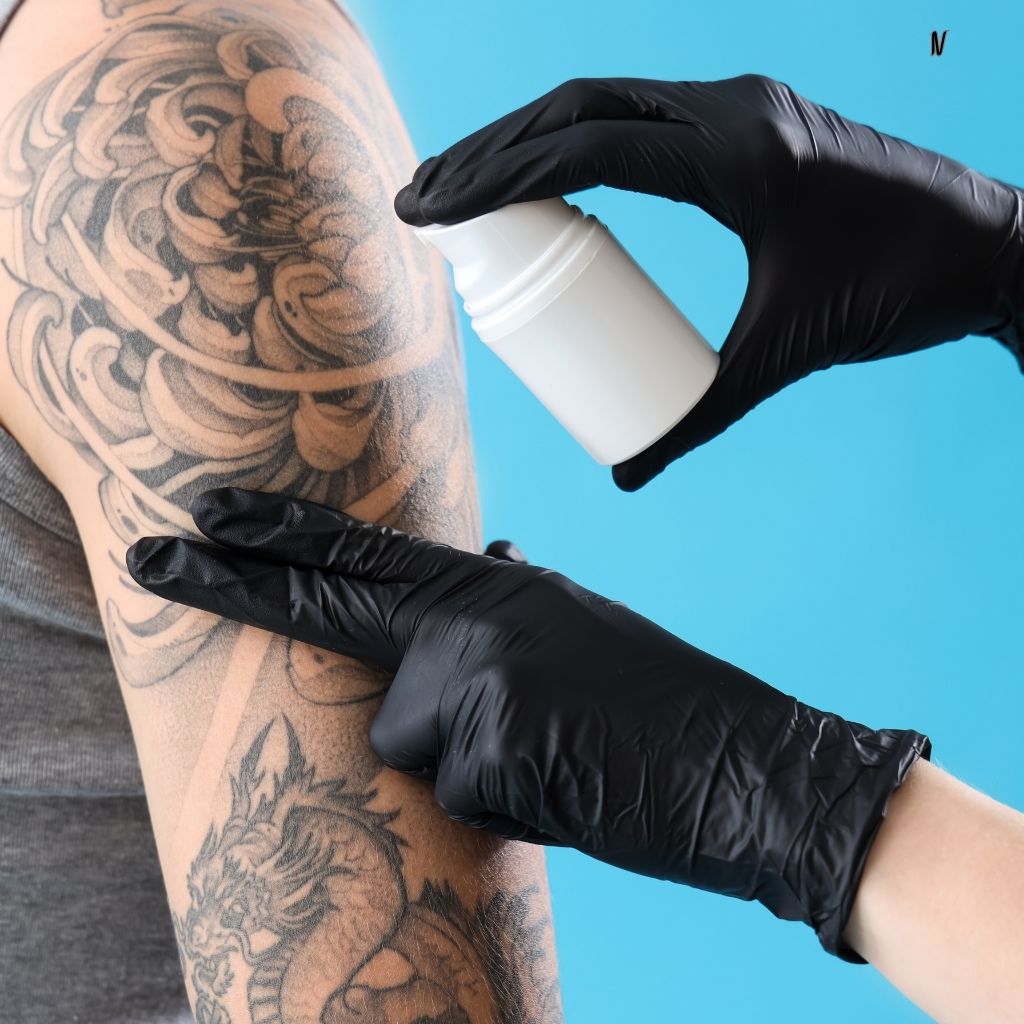
Proper cleaning is one of the most important aspects of tattoo aftercare.
Follow these basic steps:
- Wash your hands before touching the tattoo.
- Gently rinse the tattoo with lukewarm water.
- Apply a mild, fragrance-free soap.
- Clean the area using your fingertips rather than a cloth or sponge.
- Pat the tattoo dry with a clean towel.
Avoid scrubbing the tattoo, as this can irritate healing skin.
Moisturizing Your Tattoo
Keeping the tattoo lightly moisturized prevents dryness and itching. However, applying too much product can block pores and slow the healing process.
Choose a gentle moisturizer that is fragrance-free and designed for sensitive skin.
Common ingredients that work well include:
- aloe vera
- glycerin
- ceramides
- shea butter
Apply a thin layer rather than a heavy coating.
What to Avoid While Your Tattoo Heals
Certain activities can interfere with the healing process.
Avoid direct sun exposure
Sunlight can irritate fresh tattoos and may affect how the ink settles in the skin.
Avoid swimming
Pools, lakes, and hot tubs can expose healing tattoos to bacteria and chemicals.
Avoid tight clothing
Clothing that rubs against the tattoo may cause irritation.
Avoid scratching
Peeling and itching are normal, but scratching the tattoo can damage the healing skin.
Signs of Healthy Healing
A healing tattoo should gradually show improvement over time.
Normal signs include:
- mild redness during the first few days
- light peeling or flaking
- slight itching
- gradual reduction of swelling
These symptoms typically decrease as the skin repairs itself.
Signs That May Require Attention
Although complications are uncommon, certain symptoms may indicate irritation or infection.
Pay attention to signs such as:
- excessive swelling
- severe redness that spreads beyond the tattoo
- unusual discharge
- intense pain that worsens over time
If these symptoms appear, contacting a professional tattoo artist or healthcare provider may be helpful.
Long-Term Tattoo Care
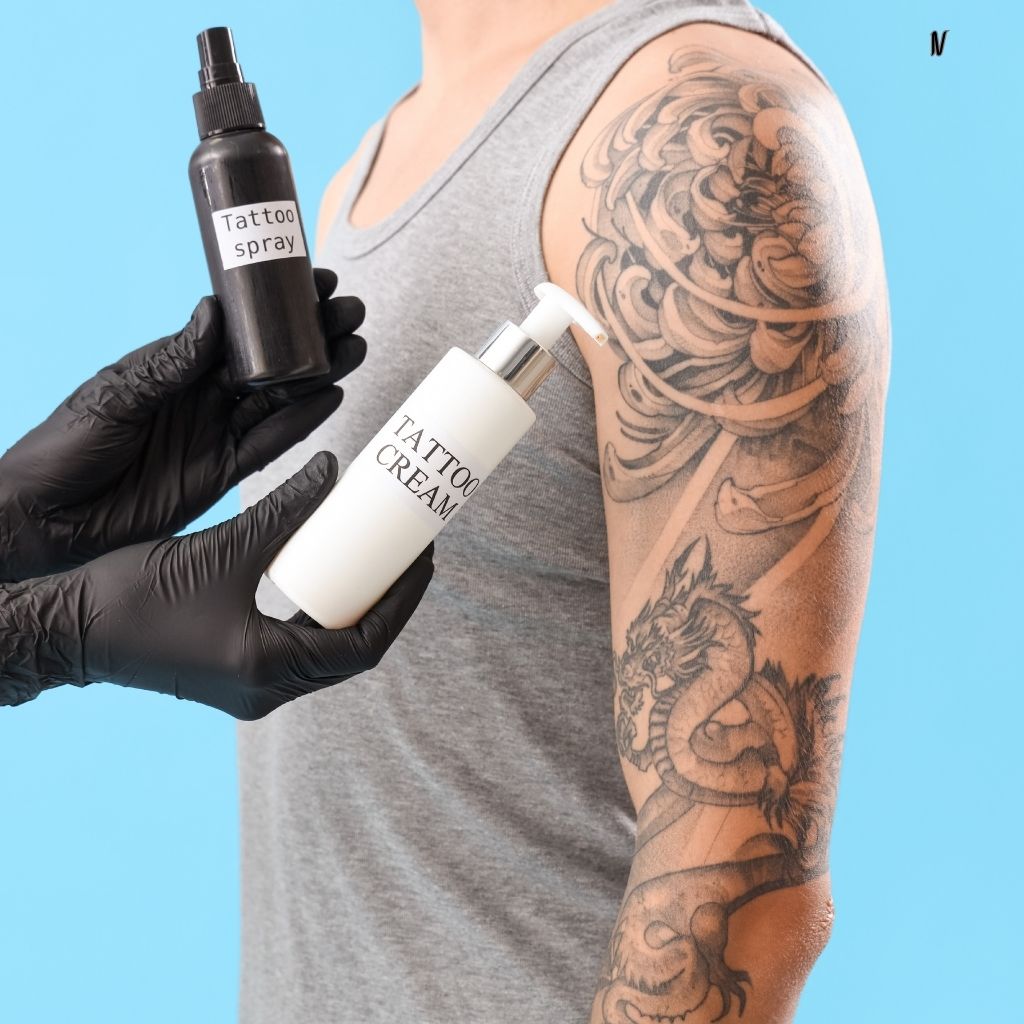
After the tattoo fully heals, maintaining healthy skin helps preserve the tattoo’s appearance.
Daily habits that help tattoos remain vibrant include:
- moisturizing regularly
- protecting the tattoo from sun exposure
- maintaining healthy skin hydration
Applying sunscreen is particularly important. Ultraviolet exposure is one of the main reasons tattoos fade over time.
Common Tattoo Aftercare Mistakes
Even small mistakes can affect how tattoos heal.
Some of the most common problems include:
- applying too much ointment
- picking at peeling skin
- exposing the tattoo to excessive water
- neglecting sun protection
Being patient during the healing process is often the best way to protect the final result.
Frequently Asked Questions
How long does a tattoo take to heal?
Surface healing usually takes about two to four weeks, although deeper skin layers may take longer to fully recover.
Can I shower after getting a tattoo?
Yes. Showering is safe, but avoid soaking the tattoo in water for long periods.
Is peeling normal during tattoo healing?
Yes. Peeling is part of the natural healing process and should not be disturbed.
When can I apply sunscreen on a tattoo?
Sunscreen should only be applied after the tattoo has fully healed.
Healing Your Tattoo the Right Way
Tattoo aftercare is one of the most important steps in the entire tattoo process. Proper care during the healing period protects the artwork and helps ensure the design looks sharp and vibrant once the skin recovers.
By keeping the tattoo clean, lightly moisturized, and protected from irritation, you allow the skin to heal naturally. With patience and good habits, your tattoo can remain a clear and meaningful piece of body art for many years.