
In my twenties, and even into my early thirties, I bought things like they were tiny promises. A face cream that implied discipline. A dress that implied invitations. A lipstick that implied a more decisive personality.
Now I’m 36, living in a small, imperfect apartment in Florence, and I’ve become less interested in buying objects that perform optimism. I still like beautiful things. I still like the little hit of novelty. But I know myself more than I used to, and knowing yourself changes what you’re willing to bring home.
This is not a moral post about consumption. It’s a practical one. It’s about the specific purchases I don’t make anymore because I’ve watched my patterns repeat long enough to stop arguing with the evidence.
And yes, there is one small hack that keeps me from backsliding, because knowing yourself is nice, but you still have to live with yourself on days when your brain wants comfort in the form of a checkout page.
I don’t buy “fantasy schedule” products
Anything that requires a version of me with a stable, elegant routine is something I no longer bring into my bathroom.
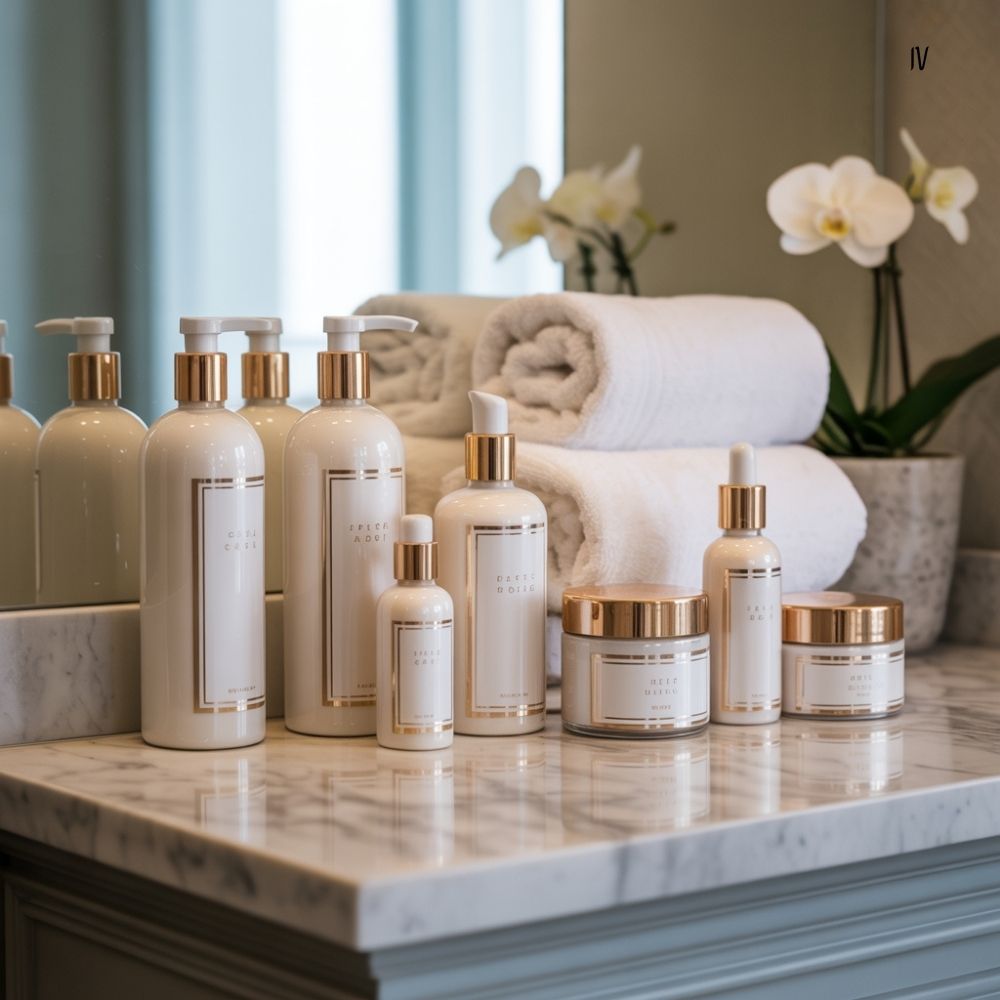
This includes the ten-step skincare systems with matching bottles that look like they should live in a hotel. It includes masks that need to sit for twenty minutes while you do something relaxing. It includes anything that comes with an implication that I’ll be consistent.
I have tried. I have bought the whole set. I have lined it up beautifully, used it for three days, and then drifted back into my real life, which is not cruel, just busy and occasionally apathetic. A routine that collapses when you’re tired isn’t a routine. It’s a performance.
Now, I buy the things I will use when I am not inspired. A cleanser I can use in a hurry. A moisturizer that doesn’t punish me for being human. Sunscreen that doesn’t feel like glue. Maintenance over miracles. It’s not romantic. It’s reliable.
I don’t buy clothing that needs a better life than mine
There’s a certain kind of garment that quietly demands a larger apartment, a calmer calendar, and a social life that includes dinners in places where you don’t worry about chair backs.
I used to buy those pieces and then feel slightly guilty every time I passed them hanging untouched. “I’ll wear it soon.” “I’m saving it.” “It’s for a special occasion.” Months would pass. The fabric would stay crisp. My life would stay normal.
Now I’ve stopped buying clothes that require an imaginary context. If something wrinkles the moment I sit down, I won’t wear it. If it needs a special bra that makes breathing feel optional, I won’t wear it.
This doesn’t mean I only wear basics. It means I choose pieces that survive my real days. Repetition is not a failure. Repetition is freedom. The best clothes are the ones that let you forget you’re wearing them.

I don’t buy “new personality” makeup
There is a category of makeup I used to buy because I liked the idea of the person who wore it.
The sharply matte red lipstick that belongs to a woman who never smudges her mouth and always remembers to bring a mirror. The glittery eyeshadow that belongs to someone with nightlife. The heavy contour palette that belongs to a person who enjoys sculpting her face like it’s an art project.
I’m not judging any of those things. I’m just acknowledging that when I buy them, I’m buying the fantasy of being that person, and then I’m surprised when I don’t become her.
Now, I buy makeup that cooperates with my moods. Soft textures. Easy application. Colors that look good when they fade. Products that forgive my impatience.
If a makeup item needs perfect lighting and perfect timing, I don’t buy it anymore. My face doesn’t exist to maintain a concept.
I don’t buy duplicates of things I avoid using
I would buy another version of the same thing I already didn’t like, just with better marketing. Another eyeshadow palette even though I rarely wear eyeshadow. Another strong shampoo even though my scalp prefers gentle. Another body lotion even though I forget to use body lotion for weeks at a time.
It’s so easy to think the problem is the product and not the habit. But after enough repetition, you have to admit the truth: I don’t use that category consistently. So buying more of it is not optimism, it’s denial.
Now, if I notice I’m avoiding a type of product, I don’t try to solve it by buying a nicer one. I either accept it, or I make the habit easier in a way that doesn’t involve spending.
I don’t buy self-improvement disguised as décor
The perfectly labeled containers. The matching organizers. The storage systems that assume you’ll maintain them with cheerful consistency. The “life reset” items that promise a calm you don’t actually own yet.
I used to buy these when I felt out of control, like a way of restoring order without touching the actual problem. I’d reorganize one shelf and feel temporarily relieved, then the relief would fade, and I’d buy something else.
Now, I still like a clean space, but I avoid buying systems that require a different personality. I choose solutions that match my real behavior, which is occasional bursts of tidiness followed by normal mess.
If I need to organize, I do it with what I already have. Boxes, baskets, jars. My apartment is allowed to look lived-in. I’m not turning it into a showroom to prove I’m okay.
I don’t buy “emergency comfort” items in the middle of a mood
When I was lonely, I’d buy something small but symbolic. A lipstick. A candle. A new top. When I was anxious, I’d buy something that implied I was taking control. A supplement. A planner. A serum. When I was bored, I’d scroll and buy whatever made me feel briefly alive.
The purchases were never huge. That was the trick. They felt harmless. But they added up, not just financially, but emotionally. I’d open the package and feel a small drop in my stomach, because I knew it wasn’t really for the object. It was for the feeling of pressing a button and getting a reward.
I still get that urge sometimes. Knowing yourself does not erase the urge. It just gives you a chance to respond differently.
My hack: The “Cart Overnight” rule (and the one sentence I write)
If I want to buy something that isn’t necessary, I put it in my cart and leave it there overnight. Not “for a week.” Not “until I forget.” Just overnight, because overnight is long enough for the mood to shift and short enough that my brain doesn’t feel punished.
Before I close the tab, I write one sentence in my notes app: “What feeling am I trying to buy?” That’s it.
Sometimes the answer is, “I’m trying to buy calm.” Sometimes it’s, “I’m trying to buy attractiveness.” Sometimes it’s, “I’m trying to buy a new version of me.” Seeing the feeling named makes it harder to pretend the object will solve it.
The next morning, I open the cart again and ask a second question: “Do I still want this when I feel normal?”
When I do still want it the next morning, it usually means the item actually fits my life. It’s not a mood purchase. It’s a real purchase. And then I buy it without the weird aftertaste.
Final Thoughts
There’s a version of adulthood that’s all about refinement, like you slowly eliminate every messy desire until you become a clean, controlled person with matching everything. I don’t relate to that version.
My adulthood has been more about honesty. About watching what I do, not what I say I want to do. About noticing patterns and treating them like data, not like character flaws.
The things I don’t buy anymore are not things I’ve outgrown morally. They’re things I’ve outgrown practically. I’ve stopped purchasing objects that require a different life than mine. I’ve stopped buying items that come with invisible pressure attached.
And in return, my apartment feels a little lighter. My shelf feels a little less crowded. My closet feels a little more like me.